


Dr. Caymaz explains finasteride and minoxidil mechanisms during medication planning visits after hair transplant consultation.
Quick Numbers
| Mechanism split | DHT block + cycle support |
|---|---|
| Shock-shed context | Can overlap weeks 2-8 |
| Review horizon | Month 6 and month 12 |
| Goal | Protect native hair reserve |
Key Takeaways
| Finasteride and minoxidil are complementary, not interchangeable. |
| Medication protects long-term balance between grafted and native hair. |
| Meaningful response interpretation needs timeline photos, not day-to-day mirror checks. |
| Start, dose, and continuation choices should be physician-supervised. |
Key Takeaways
| Meds slow miniaturization; they do not recreate bald scalp. |
| Native hair still needs protection after FUE. |
| Combine therapies when appropriate under medical supervision. |
| Stabilize before aggressive hairline lowering. |
Medical treatment for hair loss
Minoxidil and Finasteride Mechanism are 2 medicals that are using for hair loss therapy. Let's examine these two drugs in detail.
What is Finasteride
| Axis | Finasteride | Minoxidil |
|---|---|---|
| Primary target | DHT-driven miniaturization risk | Follicle cycle support |
| Typical role | Stabilization backbone | Adjunct density support |
| Expectation window | Months, not days | Months, not days |
| Key caution | Suitability screening required | Consistency and scalp tolerance |
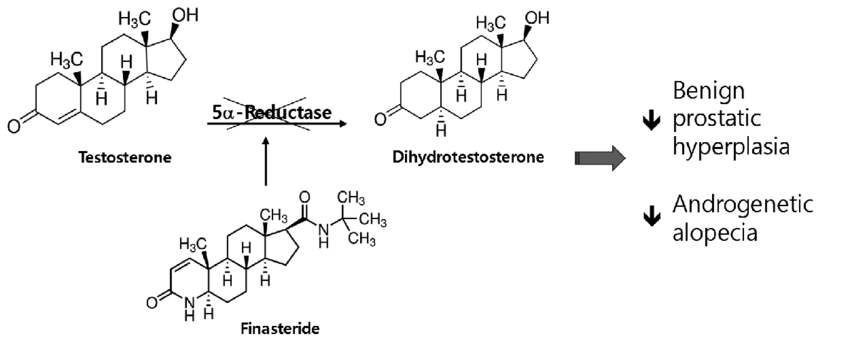
Finasteride is an antiandrogen. It is an inhibitor of the type 2 5-alpha reductase enzyme that converts testosterone to dihydrotestosterone (DHT). It is also used in the treatment of prostate disease, which is common in men. Finasteride is also used for the treatment of male pattern hair loss in many countries of the world. On December 22, 1997, the FDA approved the use of finasteride in the treatment of male pattern baldness. It is used only for men. In women, although it is written by some doctors due to the increase in testosterone in the postmenopausal period, it is not recommended for pregnant women.
Dr. Caymaz Insight
| In practice, I explain this as architecture and maintenance. Surgery builds structure, but finasteride and minoxidil often help preserve the surrounding native frame that keeps the result looking natural in later years. |
How does Finasteride affect hair growth?
Finasteride, which is used for the regulation of the DHT hormone, does not have any effect on hair loss caused by different reasons. It also has no effect in cases of complete baldness because it has an effect on the rapid growth of hair and thickening of the hair strands, not on new hair growth.
It was determined that 48% of the subjects who had hair loss treatment with Finasteride had new hair growth, hair strands thickened, and hair loss stopped in 42%. However, this drug should be used continuously in order to maintain its effect. Otherwise, its effects will disappear within 6-12 months.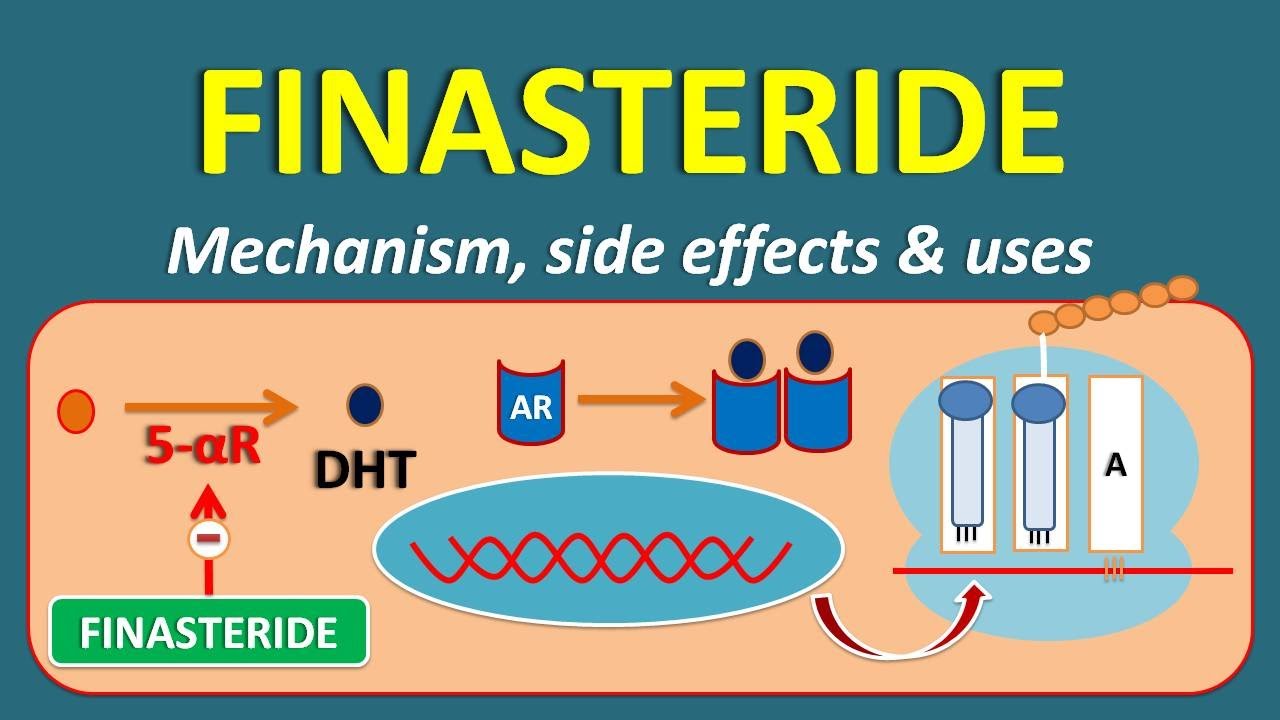
What are the side effects of Finasteride? Are the side effects permanent?
With decreasing testosterone in men, estrogen production may increase and gynecomastia may develop. This may cause more fat and enlargement of the breasts. There may also be an increased likelihood of breast cancer, which is very rare in men.
When DHT decreases, side effects such as impotence (impotence), decreased libido, decrease in sperm count, decrease in orgasm satisfaction, decrease in semen volume occur.
The drug is not recommended during puberty. During this period, there are side effects such as no beard mustache, no voice change, and cessation of neck growth.
Other side effects, on the other hand, include insomnia, increased anxiety, a slowdown in brain functions, and depression.
Some doctors state that only 2% of patients experience side effects.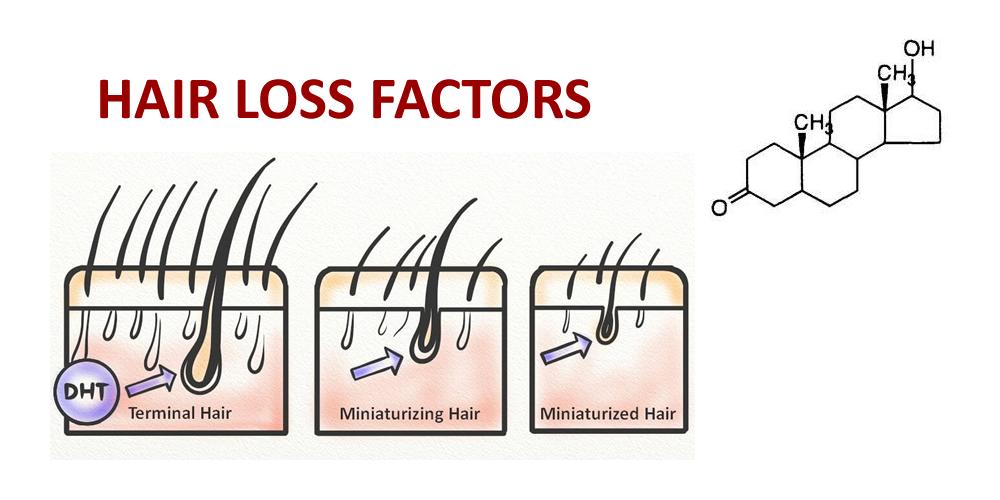
Are the effects of Finasteride permanent?
When Finasteride is used continuously, its effect on the hair is seen. When the drug is discontinued, its effects disappear within 6-12 months. However, experts warn patients that possible side effects may not disappear after stopping the drug.
Thousands of lawsuits have been filed against pharmaceutical company for the side effects of the use of this drug worldwide. The lives of some users have been irreversibly adversely affected.
As a result, finasteride is a drug that has dangers that should be used very carefully.
What is Minoxidil?
Minoxidil is an FDA-approved serum that provides rapid growth and thickening of hair. It comes in different forms for men and women. It is recommended in the form of 2% for women and 5% for men.
What is the effect of Minoxidil on hair growth?
Minoxidil lengthens the anagen phase in the hair, that is, the growth phase of the hair, thus increasing the thickness and length of the hairs. It should be used regularly 1-2 times every day.
What are the side effects of Minoxidil? Are Side Effects Permanent?
Some patients using Minoxidil have also seen increased hair growth elsewhere in the body.
Another side effect is severe headaches seen in many patients.
Acne
Decrease in blood pressure.
Irregular or fast heartbeat
Tingling or loss of sensation in the hands, face, and feet
Sudden weight gain
Chest pain is another side effect that can be seen.
Are the Effects of Minoxidil Permanent?
Minoxidil is effective when used continuously. The effect begins to disappear 3 months after the drug is discontinued. In fact, some patients experience more hair loss than before.
When Finasteride and Minoxidil are used together, their effect on hair becomes stronger.
What is Finasteride and Minoxidil's Mechanism of Action?
First of all, Finasteride blocks DHT and thus helps to stop hair loss and grow new hair. But Minoxidil does not prevent hair loss, although when it is used, it helps new hair grow thicker and faster than before. Minoxidil is a vasodilator and potentially promotes growth.
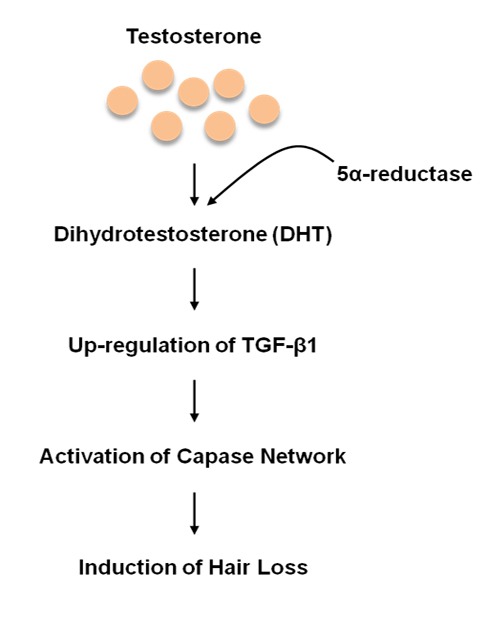
On the other hand, Finasteride is an inhibitor and prevents hair loss by stopping the conversion of testosterone hormone to dihydrotestosterone, which damages hair follicles in men. The process by which dihydrotestosterone affects the hair is quite complex.
How do Finasteride and Minoxidil Affect Hair Removal?
Finasteride works by selectively blocking the 5-alpha reductase enzyme. This hormone helps break down testosterone into DHT. Men using Finasteride have been shown to significantly lower DHT levels in the bloodstream. Finasteride's effect on hair growth often takes time.

When someone starts taking the drug Finasteride, it has to take it for months or years. As a result, the results may or may not be dramatic.
Minoxidil is another essential remedy used to treat both male and female pattern hair loss. It was initially developed for high blood pressure. The vasodilating effect of this increase in blood flow causes more nutrients and oxygen to flow from your blood to your hair follicles.
It has been stated that it causes an increase in hair growth and growth in most of those who use Minoxidil. The Minoxidil drug has two strengths: liquid and foam. The liquid contains alcohol and propylene glycol, and these are substances that make the hair heavy and difficult to style. For this reason, most patients prefer foam.
How Long Does It Take For Hair To Grow Back After Hair Loss?
Hair grows back at a rate of about 6 inches per year. Also, hair re-growing after hair loss varies depending on how or why your hair falls out. So, the hair growth rate after further hair loss changes again due to different reasons.
- Pattern hair loss: While we are growing, some follicles stop producing hair. That is referred to as a typical hereditary hair loss or pattern hair loss. This type of hair loss is usually permanent, which means that the hair will not grow back.
- Nutritional deficiencies: The lack of enough iron or zinc in people's diets can cause hair loss over time. In addition to more severe and conscious correction of the eating habit, eliminating the deficiency can cause hair growth again. But it can take several months for the hair to grow back.
- Alopecia: When the immune system attacks the hair follicles by mistake, this caused Alopecia. Hair loss can happen on other parts of the body, such as the eyelashes or legs.
- Problems related to thyroid hormone: Diseases experienced in excess or insufficient thyroid hormones can cause hair loss. When the thyroid problem is resolved, the hair starts to grow again.
- Androgenetic hair loss: Androgenetic hair loss is the most common type of shred that many men and women complain about this type of hair loss.
- Scalp psoriasis: Psoriasis is a disease that causes red spots on the skin, and head. Scalp psoriasis can temporarily cause hair loss. Scratching the scalp to relieve itching or remove the scales can make the situation much worse.
- Hormonal changes: Women may lose their hair after birth or during menopause. Men may experience hair loss due to changes in hormones as they get older. Hair loss due to hormonal imbalances is temporary, but it is difficult to predict when the hair will start to grow back.
It is hard to accept that you do not have any control over the disorder or even your own body, but all these causes affect the length of the hair loss process.
What is Finasteride Mechanism?
Finasteride blocks the action of an enzyme called 5-Alpha-Reductase inhibitor. This enzyme changes testosterone to another hormone that causes the prostate to grow or hair loss in males. It will increase testosterone levels in the body, which decreases prostate size and increases hair growth on the scalp. (Testesterone to DHT blocker so if you use Finasteride your Testesterone will be increase. ) Dht (dihydrotestosterone): While it increases beard and body hair, it causes hair loss.
What is Minoxidil Mechanism?
Minoxidil is an adenosine 5'-triphosphate-sensitive potassium channel opener, causing hyperpolarization of cell membranes. Theoretically, by widening blood vessels and opening potassium channels, it allows more oxygen, blood, and nutrients to the follicles. It is a vasodilator, meaning it widens the blood vessels to deliver more oxygen-rich blood to the hair follicles. Minoxidil is an antihypertensive drug and has been shown to increase hair growth within 4-6 months. After the drug is discontinued, it returns to the old situation.
What is the Side Effect of Finasteride?
Erectile Dysfunction, Azoospermia etc.
There is no known major side effect of its use topically.
Only systemic use has very dangerous side effects.
We are in favor of using it until side effects are seen. Especially for Norwood 4 and above patients.
What is the Finasteride etc. Effect?
Finasteride blocking 5-alpha-reductase.
5-alpha-reductase inhibitors are a group of drugs that are used in the treatment of an enlarged prostate gland (benign prostatic hyperplasia) and male pattern hair loss. Drugs in this class are finasteride (marketed as Proscar [finasteride 5 mg] and Propecia [finasteride 1 mg]) and dutasteride (marketed as Avodart)
Finasteride isn't selective in how it blocks DHT. Instead of affecting a specific part of your scalp or blocking a specific type of hair loss, it will block DHT at its source. This means that finasteride should slow or stop hair loss and potentially regrow some hair regardless of your specific balding pattern.
Search:https://www.ncbi.nlm.nih.gov/pmc/articles/PMC3481923/
https://www.ncbi.nlm.nih.gov/pmc/?term=minoxidil+side+effects
Post-transplant medication is a strategy, not a slogan
Many patients hear simplified advice like "everyone must use finasteride" or "minoxidil alone is enough." Real planning is more specific. The clinical question is how to protect your non-transplanted follicles while grafts mature, and how to keep front, mid-scalp, and crown looking coherent over years.
Because transplanted follicles and native follicles behave differently, the plan should reflect your baseline miniaturization map, family-pattern velocity, and tolerance profile.
Finasteride: mechanism clarity and practical expectations
Finasteride is discussed constantly, but mechanism language is often imprecise. The point is not immediate cosmetic thickening. The point is reducing DHT pressure on vulnerable follicles so progression slows and your long-term surgical result stays integrated with native hair.
Outcome reading should be timeline-based. Early fluctuations can reflect cycle transitions, stress, or post-op changes, especially during weeks 2 to 8 when shedding noise is common.
Minoxidil: where it helps and where it does not
Minoxidil is useful in many plans, yet it should not be framed as a replacement for progression control. It can support follicle cycling, but durability still depends on underlying biology and adherence quality. In practical follow-up, consistency and scalp tolerance matter more than aggressive product stacking.
When patients switch concentrations, frequencies, and add-ons every few weeks, it becomes difficult to separate true response from variability.
Combination therapy and staged decision-making
Combination plans are often considered when miniaturization risk remains active and long-term density preservation is a priority. This does not mean every patient needs identical protocols. Age, reproductive considerations, comorbidity profile, and side-effect history should shape decisions.
A staged model is usually safer: baseline assessment, conservative start, structured follow-up, then adjustments only when trends are clear in photos and clinical exam.
How to avoid common medication planning mistakes
Chasing immediate density promises
Medication is not instant camouflage. It is long-horizon risk management.
Using unsupervised stop-start cycles
Frequent interruptions can produce unstable visual patterns and unnecessary anxiety.
Ignoring total scalp architecture
The right decision is not "best drug." It is the best long-term match for your progression map and surgical roadmap.
Finasteride may protect non-transplanted native hair from continued miniaturization, improving long-term blend around grafts. It is not appropriate for every patient and requires medical supervision. Starting or stopping around surgery dates should be coordinated with your prescriber. Timing questions are addressed in finasteride after hair transplantation.
Medical therapy can stabilize miniaturizing native hair while surgery redistributes resistant follicles; the order depends on age, pattern, and donor reserve. Starting finasteride or minoxidil before surgery may change what zones need grafts at all. Rushing to operate on unstable patterns can consume inventory prematurely. Compare pathways in hair transplant or medication first.
Patients often ask how this subject connects to neighboring decisions in donor protection, recovery, or long-term medical therapy. Timing, candidacy, and aftercare rules should stay consistent across every article you read. If a concept feels unfamiliar, pause and compare it with your own photos and medication list before acting. Teams document these cross-checks during follow-up to avoid contradictory advice. The companion piece on hair transplant contraindications when is it not advised uses the same milestone language described here.
Low-level laser therapy is sometimes added after FUE to support recovery, but start windows and device quality vary. Caps should not replace medical follow-up or compress approved aftercare steps. Most teams delay adjunct devices until initial healing milestones are met. See when we typically authorize laser cap use after FUE.
Sources & clinical references
FAQ
Finasteride targets DHT biology systemically, while minoxidil acts locally to improve follicle cycling and support thicker shaft expression.
Many grafts can survive, but untreated native hair may continue miniaturizing, which can make results look less balanced over time.
Most patients need several months of consistent use before trend-level changes become visible in standardized photos.
No. Combination decisions depend on age, pattern progression, tolerance, contraindications, and clinician-supervised risk-benefit discussion.
Frequent stop-start use creates unstable outcomes and makes true response interpretation difficult.
Finasteride is a 5-alpha reductase type II inhibitor that lowers scalp dihydrotestosterone, slowing miniaturization in androgenetic alopecia. Medical uses include male pattern hair loss and benign prostatic hyperplasia at different doses. It does not regrow bald scalp but can thicken miniaturized hairs over 6–12 months when continued.
See also: Minoxidil & Finasteride: Dosing, Side Effects & Results

Liposuction Surgery
Liposuctions are usually performed on an outpatient basis. Before the actual procedure, the patient is informed about…
Read More: Liposuction Surgery
Balance Between Hair Transplantation Density Without Damaging the Donor Area
Patients often ask how many grafts they can receive in one session. The better question is how many grafts the donor…
Read More: Balance Between Hair Transplantation Density Without Damaging the Donor Area
Hair Loss Treatments in Turkiye
Hair loss treatment in Turkiye should start with diagnosis, not package selection. Most patients need a staged decision…
Read More: Hair Loss Treatments in TurkiyeHair Loss — Frequently Asked Questions
Expert Answers by Dr. Erkam Caymaz, Istanbul