Who is Dr. Erkam Caymaz and what are his medical credentials?
Dr. Erkam Caymaz is a hair restoration surgeon in Istanbul with 15+ years of clinical experience, 9,271+ patients and 5,184+ hair transplant procedures. He holds certifications from the American Academy of Aesthetic Medicine (AAAM), FUE Europe, the World FUE Institute (WFI), and ISHRS (International Society of Hair Restoration Surgery). His background in cardiovascular surgery informs the precision and safety protocols applied in every VIP procedure at the clinic.
Which hair transplant techniques are offered at the clinic?
The clinic performs Sapphire FUE and DHI (Direct Hair Implantation) for scalp, beard, and eyebrow restoration. Sapphire FUE uses V-shaped sapphire blades to open recipient channels after micro-motor FUE extraction with a typical 0.8–0.9 mm punch. DHI uses a Choi implanter pen for direct graft placement. Technique choice depends on your clinical plan, not on one method being universally superior.
What is included in the all-inclusive hair transplant packages?
Packages include the hair transplant procedure, pre-operative blood tests, local anesthesia, post-operative medications, a specialized shampoo and foam care kit, VIP airport and clinic transfers, and three nights in a five-star hotel. Structured post-operative follow-up includes scheduled photo check-ins and a 12-month clinical review. All-inclusive VIP packages typically range from €3,000–€7,500 depending on graft count and technique. DHI packages are commonly €5,000–€6,000; Sapphire FUE €6,500–€7,500. Exact pricing is confirmed after consultation — see our
hair transplant cost guide.
Is a hair transplant in Turkey safe, and what are the clinical standards?
Yes, when performed in an accredited facility under qualified surgical supervision. Procedures at our clinic follow European sterilization standards, appropriate single-use instruments, and documented infection-control protocols. Istanbul has become a major hub for hair restoration because experienced teams combine modern equipment with structured patient pathways.
Does the hair transplant procedure hurt?
The procedure is performed under local anesthesia, so the scalp is numbed before extraction and implantation. Most patients describe pressure rather than sharp pain during the session. Mild soreness for a few days afterward is normal and is managed with prescribed analgesics from your post-operative kit.
How long is the recovery period, and when can I return to work?
Many patients return to desk-based work within 5–7 days. Redness and scabbing in the donor and recipient areas usually fade within 10–14 days. Strenuous exercise, swimming, and saunas should wait until your team clears you, typically after the first couple of weeks.
What is shock loss, and is it normal after a hair transplant?
Shock loss is temporary shedding of transplanted hairs 2–4 weeks after surgery as follicles enter a resting phase. It is expected and does not mean the grafts have failed. New growth typically begins around months 3–4 as follicles re-enter the growth cycle.
When will I see the final results of my hair transplant?
Visible early growth often appears around months 3–4, with meaningful density gains by month 6. Final maturation and blending with native hair usually occur between 12 and 18 months. Timelines vary with graft count, hair characteristics, and adherence to aftercare.
Are hair transplant results permanent?
Hair from the safe donor zone (back and sides) is genetically more resistant to DHT, the hormone linked to androgenetic hair loss. Transplanted follicles that survive typically continue producing hair long term. We do not promise lifetime aesthetic outcomes; permanence reflects donor biology, not a guarantee certificate.
Why are hair transplants in Turkey more affordable than in the US or UK?
Lower operating costs, favorable exchange rates, and competitive clinical markets allow high-quality care at lower prices than in Western Europe or North America. Our transparent VIP packages (typically €3,000–€7,500, technique-dependent) reflect full inclusions rather than hidden add-ons common abroad.
How does a hair transplant work?
Individual follicular units are harvested from the permanent donor area, usually the back of the scalp, processed under magnification, and implanted into thinning or bald recipient zones. Blood supply must re-establish for grafts to survive; proper channel angle, depth, and handling protect follicles during transfer.
Will my hair transplant results look natural?
Natural results depend on hairline design, graft distribution, angulation, and matching native hair direction. Dr. Caymaz plans each hairline individually rather than using a template pattern. Density is balanced with donor safety so the result looks age-appropriate, not pluggy.
How long does the hair transplant procedure take?
A typical session runs 6–8 hours under local anesthesia, often starting around 08:00–09:00 and finishing between 14:00 and 16:00. Duration depends on graft count, technique, and any combined areas such as beard work. You remain awake and can take short breaks.
How much does a hair transplant cost at your clinic?
Most all-inclusive VIP packages range from €3,000–€7,500 for approximately 3,000–6,000+ grafts, depending on technique and clinical needs. DHI is commonly €5,000–€6,000; Sapphire FUE €6,500–€7,500. Exact pricing is confirmed after photo review and consultation — see our
hair transplant cost guide. Packages cover surgery, hotel, transfers, medications, and structured 12-month follow-up, not hidden clinic fees.
How many grafts do I need for a hair transplant?
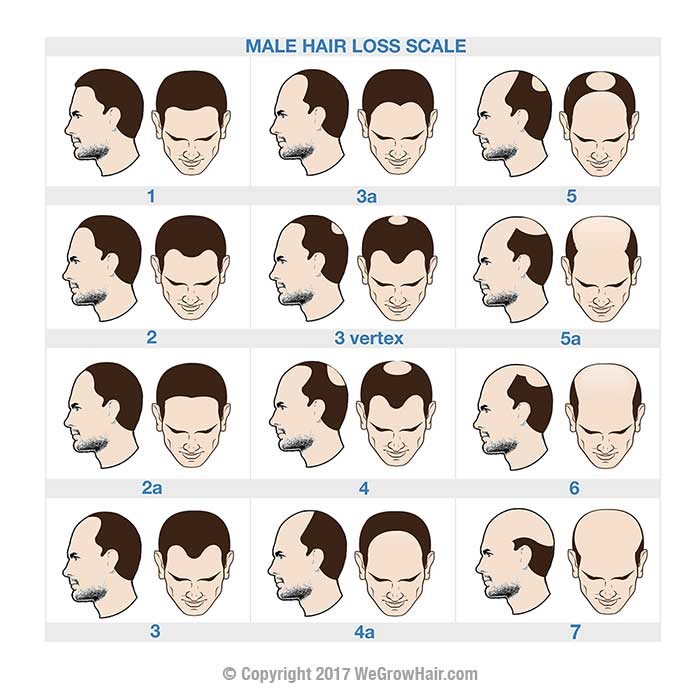
Graft need depends on Norwood stage, crown involvement, desired density, and donor quality. Moderate hairline work may require 2,000–3,000 grafts; advanced patterns often need 3,500–5,500 or a staged two-session plan. We prioritize donor preservation over maximum single-session counts.
Will people notice that I had a hair transplant?
In the first 10–14 days, short hair, redness, and scabbing can be visible. After crusts shed and hair grows longer, results become discreet. A well-designed hairline and gradual density rarely attract attention once healing is complete.
When does transplanted hair start growing?
After shock loss, new shafts commonly emerge around months 3–4. Growth accelerates through months 6–9 and continues maturing to 12–18 months. Early hairs may be fine or curly before normalizing in texture.
Do you perform hair transplants for both men and women?
Yes. We treat male pattern baldness and selected female hair-loss patterns where a transplant is clinically appropriate. Women may require additional evaluation for diffuse thinning, traction alopecia, or hormonal contributors before surgery is recommended.
Is there a minimum or maximum age for a hair transplant?
There is no fixed legal age, but we prefer stable hair-loss patterns, often after the mid-20s for men. Young patients with rapidly progressing loss may benefit from medical therapy first. There is no upper age limit if health screening and donor quality are satisfactory.
How should I choose a hair transplant surgeon?
Evaluate surgical credentials, verifiable experience, before-and-after cases, sterilization standards, and who performs incisions versus graft placement. Avoid clinics that promise guaranteed density or lifetime outcome certificates. A surgeon-led VIP model with limited daily volume supports quality control.
Will transplanted hair match my existing hair?
Grafts come from your own donor hair, so color, caliber, and curl generally match native hair. Minor texture changes can occur temporarily during early regrowth. Beard or body donor hair may differ slightly and is used only when clinically indicated.
What is the difference between FUE and FUT?
FUE extracts individual follicular units with a micro punch, leaving scattered dot scars in the donor area. FUT removes a strip of scalp and closes the wound with a linear scar, then dissects grafts from the strip. We primarily perform FUE and Sapphire FUE; FUT is discussed only if donor characteristics favor it.
Who designs and opens the recipient channels?
In VIP operations, Dr. Caymaz personally plans the hairline and opens recipient incisions (channels). Graft extraction and implantation are performed by expert surgical technicians under his direct supervision, following the planned angles and density map.
How many days should I stay in Istanbul for a hair transplant?
Plan for three nights of accommodation included in standard packages, covering consultation, surgery day, and the first post-operative wash. Many patients arrive the day before surgery and depart 2–3 days after. Your coordinator confirms the exact schedule before travel.
When is it safe to fly home after a hair transplant?
Most patients fly home 2–3 days after the procedure once the first clinic wash and dressing check are completed. Cabin pressure is generally tolerated; we advise loose headwear and hydration. Long-haul flights are common and safe when post-operative instructions are followed.
Are pre-operative blood tests required?
Yes. Standard pre-op labs screen blood counts, clotting, and infections as appropriate for surgical safety. Tests are arranged through the clinic and included in package pricing. Results must be reviewed before anesthesia on surgery day.
Should I continue finasteride or minoxidil around surgery?
Do not stop prescribed medications without medical guidance. Finasteride and minoxidil may be continued in many cases, but timing around surgery day is individualized. Your coordinator will confirm what to pause or resume based on your history.
When can I return to the gym, swimming, or saunas?
Avoid heavy sweating, swimming pools, saunas, and strenuous lifting for about 2–3 weeks to protect grafts and donor healing. Light walking is encouraged early. Clearance for full gym activity is given at follow-up photo reviews.
How should I sleep during the first week after surgery?
Sleep with your head elevated on pillows to reduce swelling. Avoid rubbing the grafts against the pillow; a travel neck pillow can help. Side sleeping on the donor area is usually possible after a few nights if comfortable.
Can I wear a hat after a hair transplant?
A loose, clean hat may be worn after the first few days when advised by the clinic, avoiding friction on grafts. Tight caps and helmets should wait until healing progresses, typically 2–3 weeks or as directed.
What is the difference between graft count and hair count?
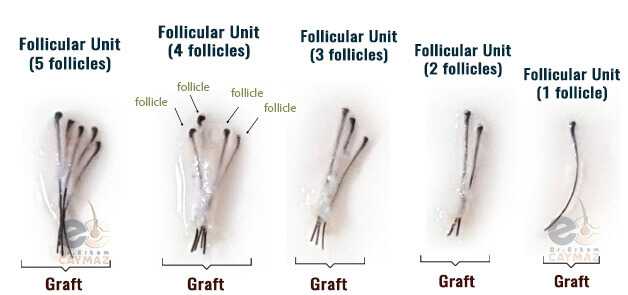
One graft (follicular unit) may contain 1–4 hairs, averaging about 2 hairs per graft in many donors. Clinics quote grafts; hair count is higher. A 3,000-graft session might yield 5,500–6,500 hairs depending on grouping.
Can beard or body hair be used as donor hair?
Beard and sometimes chest hair can supplement scalp donor when indicated for limited areas or specific characteristics. Beard donor is common for combined beard and scalp plans. Body hair has different growth cycles and is not a universal substitute for scalp follicles.
Will I need a second hair transplant session?
Patients with Norwood 4 or higher patterns often benefit from a planned second session spaced at least 6 months apart. A single session of 3,000–5,500 grafts may not restore full crown and hairline density safely. Donor limits guide realistic staging.
What is the difference between a revision and a density boost?
A revision addresses genuine corrective needs under clinic policy, such as poor growth in a defined zone, an uneven hairline, or scar camouflage. It is not a marketing substitute for adding coverage density. Planned second sessions for advanced baldness are separate clinical plans, not free density upgrades.
Is PRP recommended with FUE hair transplant?
PRP can support healing and early regrowth in selected cases as an adjunct, not a replacement for surgical technique. It is optional and discussed during consultation. Outcomes still depend on graft handling, channel design, and aftercare compliance.
Do you offer unshaven FUE for women?
Yes, unshaven or partially trimmed FUE techniques are available for suitable female patients who need discretion. Donor access must still allow safe extraction; very long hair may require strategic sectioning. Candidacy is confirmed after photo review.
Can I start with a remote photo consultation?
Yes. Submit scalp photos through our online analysis form for an initial graft estimate and candidacy screen. Remote review does not replace an in-person examination on arrival, but it streamlines planning and package confirmation before you book travel.
What is included and excluded in package pricing?
Included: surgery, anesthesia, blood tests, hotel (3 nights), VIP transfers, medications, shampoo and foam kit, and structured 12-month follow-up with photo check-ins. Excluded: international flights, personal expenses, optional add-ons such as extra PRP sessions, and companion costs unless arranged separately.
Which medications should I avoid before hair transplant surgery?
Stop alcohol and smoking at least one week before surgery. Blood thinners, high-dose aspirin, ibuprofen, and certain supplements (fish oil, ginkgo, high-dose vitamin E) should be paused as directed. Always disclose prescriptions during pre-op screening.
Should the crown or hairline be prioritized in one session?
In one session, the hairline and frontal triangle often receive priority because they frame the face and deliver the most visible impact. Crown coverage may be staged in a second session for advanced patterns to respect donor limits. Your plan is individualized during consultation.
What should I pack for my hair transplant trip to Istanbul?
Bring button-front shirts, comfortable loose clothing, a soft travel pillow, any daily prescriptions, and identification or travel documents. Avoid items that pull tightly over the head in the first week. The clinic provides most post-operative care products in your kit.
When can I color or style my hair after a transplant?
Hair coloring and chemical treatments should wait until grafts are fully anchored, usually after 4–6 weeks for gentle styling and longer for dyes or perms. Consult the clinic before salon treatments. Normal gentle washing follows the provided schedule from day 3 onward.
How do I choose between Sapphire FUE and DHI?
There is no universally superior technique; skilled execution matters more than the brand name. Dr. Caymaz generally prefers Sapphire FUE for many scalp cases; DHI suits selected indications such as certain density or unshaven needs. Your plan is based on clinical factors, not a one-size-fits-all winner.
What graft survival rate can I expect?
Overall clinical success is commonly in the 90–95% range when protocols are followed, with individual graft survival up to 98% in favorable conditions. These are population-level outcomes, not personal guarantees. Smoking, poor handling, or aftercare lapses can reduce survival.
Can a travel companion come with me to Istanbul?
Yes, companions are welcome and can stay in the same hotel room in most packages. They may wait in the lounge during surgery; the procedure is lengthy but does not require an attendant in the operating area. Coordinate rooming when booking.
Is sedation available during the hair transplant procedure?
Procedures are performed under local anesthesia; patients remain awake and communicative throughout. We do not offer IV sedation or general anesthesia for routine hair transplants because local anesthesia is sufficient and avoids unnecessary sedation risks for an elective outpatient procedure.
Can beard and scalp transplant be done on the same day?
Combined beard and scalp work can sometimes be completed in one day within safe graft limits and donor capacity. Total graft counts must stay within donor-safe ceilings, typically up to roughly 5,000–5,500 grafts in a single session when appropriate. Your surgeon confirms feasibility after donor assessment.
What are the rules for smoking and alcohol before and after surgery?
Stop alcohol and nicotine at least 7 days before surgery to support healing and graft survival. Smoking reduces blood flow and can lower survival rates; relapse after surgery also delays recovery. Moderate alcohol should remain avoided during early healing.
How does the online hair analysis form work?
Upload clear photos of your scalp from multiple angles with good lighting and dry hair. Our team estimates graft range, technique options, and package tier, then contacts you with next steps. The form is free and does not obligate you to book surgery.
What if growth looks uneven after several months?
Mild asymmetry can occur during intermediate growth phases before month 12. Photo check-ins during structured follow-up help distinguish normal maturation from areas needing evaluation. Persistent gaps after 12–18 months may be reviewed for revision eligibility under clinic policy, not automatic density adds.
What are touch-up grafts, and when are they used?
Touch-up grafts are small corrective sessions for localized deficiencies after maturation, distinct from a full second coverage session. They follow revision policy and medical necessity, not marketing promises of free extra density. Criteria are assessed at the 12-month review with photo documentation.
What travel documents do I need for a hair transplant trip to Turkey?
Most visitors need a valid passport; many nationalities qualify for an e-Visa or visa-free entry for tourism. Confirm requirements for your citizenship before booking flights. The clinic provides hotel confirmation letters upon request to support visa applications if needed.