


Quick Numbers
| Typical patch shape | Round or oval, coin-sized areas |
|---|---|
| Spontaneous regrowth (many patients) | Within months, sometimes up to ~12 months |
| First specialist | Dermatologist, not hair surgeon alone |
| Hair transplant timing | Only after inactive disease and medical clearance |
Key Takeaways
| Autoimmune mechanism: defense cells attack follicles, not the skin surface. |
| Not contagious; diagnosis is clinical, often with dermatoscopy. |
| Medical therapy and observation come before surgical hair restoration. |
| Transplant may be an option only in stable, selected cases with specialist approval. |
Alopecia simply means hair loss, but alopecia areata is a specific autoimmune pattern: smooth bald patches that can appear on the scalp, beard, eyebrows, or body hair. The skin in the patch usually looks normal, without scaling or scarring at first. Understanding the disease helps you choose the right specialist first and avoid surgery at the wrong time.
What Is Alopecia Areata?
Alopecia areata occurs when immune cells mistakenly target hair follicles as if they were foreign tissue. Hair falls out in defined areas, often about the size of a coin. Some people develop a single patch; others see several patches or progression to broader loss (alopecia totalis or universalis in severe forms).
The condition is not infectious. You cannot catch it from contact. Diagnosis is made by a dermatologist after examining the scalp and ruling out fungal infection, traction alopecia, or other causes. Family history of asthma, allergic disease, thyroid problems, or autoimmune conditions is reported more frequently, and links to diabetes are discussed in medical literature, which matters if you later explore surgery with chronic disease.
How Does Alopecia Areata Develop?
Research points to immune dysregulation around the follicle bulb. Stressful events sometimes precede a patch, but stress alone does not explain every case. The course is unpredictable: a patch may regrow, stay static, or recur elsewhere months later.
Because the mechanism differs from hormone-driven miniaturization, alopecia areata should not be confused with common pattern baldness. Androgenetic loss tends to recede the hairline or thin the crown gradually; areata jumps in with discrete bare spots. Medications used for pattern loss, such as those discussed in our article on finasteride after hair transplantation, target DHT-related thinning and do not replace dermatology care for autoimmune patches.
| Feature | Alopecia areata | Pattern hair loss (androgenetic) |
|---|---|---|
| Cause | Autoimmune follicle attack | Hormone-sensitive miniaturization (DHT-related) |
| Appearance | Sharp, smooth patches | Gradual recession or diffuse thinning |
| First doctor | Dermatologist | Dermatologist or hair specialist |
| Hair transplant timing | After long stability only | When donor reserve and candidacy criteria met |
Where Can Alopecia Areata Appear?
Scalp patches are most common, but the beard, eyebrows, eyelashes, and body hair can be affected. Beard areata may look like smooth circles in an otherwise full beard. Because the visible pattern differs from progressive crown thinning, patients sometimes mislabel it as scarring or fungal disease. A dermatoscopy exam clarifies the diagnosis and guides therapy.
Children and young adults are often affected, though the condition can begin at any age. Early dermatology input improves monitoring for extension and helps families set realistic expectations about regrowth timelines.
How Is Alopecia Areata Treated?
There is no single cure that works for everyone. Dermatology care may include topical or injected corticosteroids, topical immunotherapy, minoxidil as adjunct, or newer systemic options in extensive disease. Many patches regrow spontaneously within a year, which is why watchful waiting under medical supervision is valid for mild first episodes.
Treatment goals are to stop active inflammation, encourage regrowth, and reduce recurrence. Because flares can return, long-term follow-up beats one-time fixes. Patients should not self-diagnose “ringworm” or start aggressive topical products without an exam.
Dr. Caymaz Insight
| When a patient sends photos of a perfect round patch, my first message is: see dermatology before you book grafts. Transplanted hair in an actively autoimmune scalp can survive, then fall again when the immune system flares. I have performed transplant in carefully selected stable cases after written dermatology clearance, but that is the exception, not the default. Patience and medical control protect you from surgery on a moving target. |
Can Alopecia Areata Patients Have Hair Transplantation?
Hair transplantation is not appropriate during active treatment or unstable disease. Operating while inflammation is ongoing risks poor uptake and wastes donor follicles that could serve a safer indication later. Standard hair transplant candidacy assumes a relatively predictable recipient field; autoimmune patches break that assumption until they burn out or respond to therapy.
After dermatology confirms inactive disease for an adequate interval, some patients with long-standing patches that never repigment with hair may discuss FUE or DHI. Success varies individually: grafts may persist in scarred areas, yet new patches can still appear elsewhere. Donor planning must respect donor density limits because future medical or surgical needs remain possible.
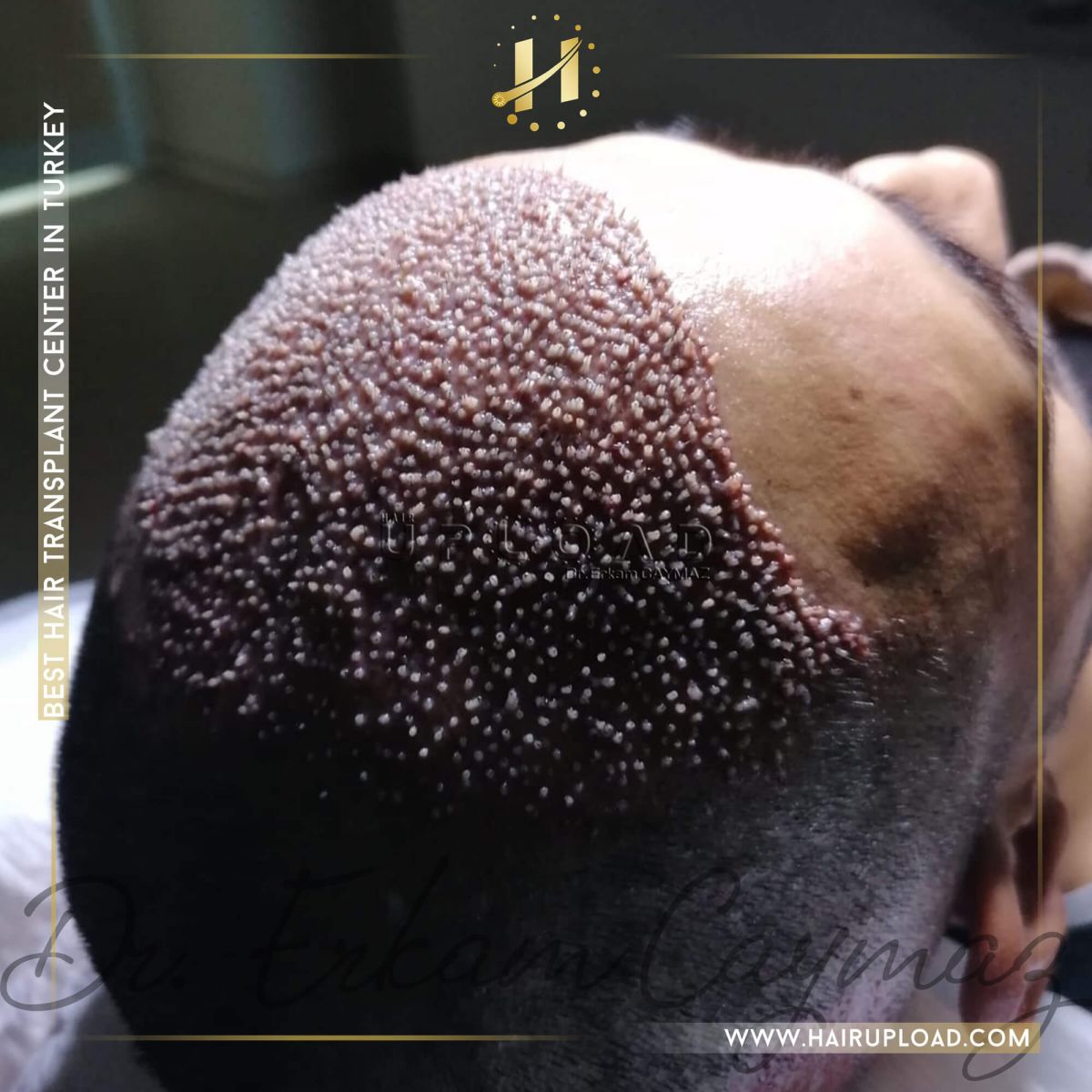
Stable pattern loss and selected stable patches differ; goals and timelines are not identical.
What Should You Do Before Considering Surgery?
Alopecia areata is manageable for many people without surgery. When patches resolve, hair may return without a transplant. When they do not, combined medical and surgical strategies must be coordinated, not rushed. The right sequence is diagnose, treat, stabilize, then, only if appropriate, restore.
Patients often ask how this subject connects to neighboring decisions in donor protection, recovery, or long-term medical therapy. Timing, candidacy, and aftercare rules should stay consistent across every article you read. If a concept feels unfamiliar, pause and compare it with your own photos and medication list before acting. Teams document these cross-checks during follow-up to avoid contradictory advice. The companion piece on hair transplant consultation uses the same milestone language described here.
The details below stand on their own, yet many consultation questions overlap with adjacent education topics on this site. Timing, candidacy, and aftercare rules should stay consistent across every article you read. If a concept feels unfamiliar, pause and compare it with your own photos and medication list before acting. Teams document these cross-checks during follow-up to avoid contradictory advice. The companion piece on planning for hair transplantation uses the same milestone language described here.
Clinical planning improves when related topics are reviewed in sequence rather than as isolated marketing claims. Timing, candidacy, and aftercare rules should stay consistent across every article you read. If a concept feels unfamiliar, pause and compare it with your own photos and medication list before acting. Teams document these cross-checks during follow-up to avoid contradictory advice. The companion piece on do all transplanted hair grow understanding hair growth a… uses the same milestone language described here.
Patients often ask how this subject connects to neighboring decisions in donor protection, recovery, or long-term medical therapy. Timing, candidacy, and aftercare rules should stay consistent across every article you read. If a concept feels unfamiliar, pause and compare it with your own photos and medication list before acting. Teams document these cross-checks during follow-up to avoid contradictory advice. The companion piece on is a hair transplant permanent uses the same milestone language described here.
Sources & clinical references
FAQ
It is an autoimmune form of hair loss in which the immune system attacks hair follicles, leading to smooth, round or oval patches on the scalp, beard, or body. The underlying skin typically looks normal and the condition is not contagious.
Often yes. Many people see regrowth within months, sometimes up to a year, without surgery. Patches can also return or spread, which is why long-term dermatology follow-up matters.
A dermatologist should diagnose the condition and lead medical therapy. Hair transplant clinics may consult later only when the disease is inactive and a specialist agrees surgery is appropriate.
Not during active flare or while medical treatment is ongoing. In selected stable cases, after dermatology clearance, transplant into scarred or long-standing patches may be discussed with realistic expectations about recurrence risk.
No. Pattern baldness is usually androgen-driven and gradual. Alopecia areata is immune-mediated and often appears as discrete patches with sudden onset.
Family history of autoimmune or allergic disease, asthma, thyroid disorders, and type 1 diabetes are reported more often. Stress may trigger flares in some patients, but it is not the sole cause.

Is a 100% Success Rate Possible in Hair Transplant Results?
Patients ask whether a 100% hair transplant success rate is possible. Ethical answer: no guarantee exists for every…
Read More: Is a 100% Success Rate Possible in Hair Transplant Results?
How to get a natural and dense hair transplant with minimal donor area damage
Natural-looking density comes from balanced planning, not aggressive one-session extraction. Donor safety requires…
Read More: How to get a natural and dense hair transplant with minimal donor area damage
Hair Follicle Transplant: How Many Hairs Does 1 Graft Contain?
Patients see “3,000 grafts” in quotes and assume 3,000 hairs. In reality, one graft contains variable hair numbers…
Read More: Hair Follicle Transplant: How Many Hairs Does 1 Graft Contain?Hair Loss — Frequently Asked Questions
Expert Answers by Dr. Erkam Caymaz, Istanbul