


Hair Transplant by Dr. Erkam Caymaz — Surgeon-Led, VIP-Only
AAAM, FUE Europe & WFI certified. 15+ years, 9,271+ patients, 5,184+ hair transplants. 1–2 VIP cases per day for maximum graft survival and fully natural results.

Quick answer
Hair transplant in Turkey offers experienced teams and competitive Istanbul packages, but quality varies by clinic. Verify surgeon-led channel work, daily case volume, and aftercare before booking. Plan 3–4 nights for surgery plus first wash.
Quick Numbers
| Typical stay | 3–4 nights Istanbul |
|---|---|
| Session length | Often 8–13 hours |
| Techniques offered | Sapphire FUE & DHI |
| Due diligence | Surgeon-led vs volume clinics |
Key Takeaways
| Price alone is a weak filter for surgical quality. |
| Low daily case volume supports channel QA and team focus. |
| Written surgeon accountability beats brochure graft totals. |
| Remote aftercare after you fly home matters. |
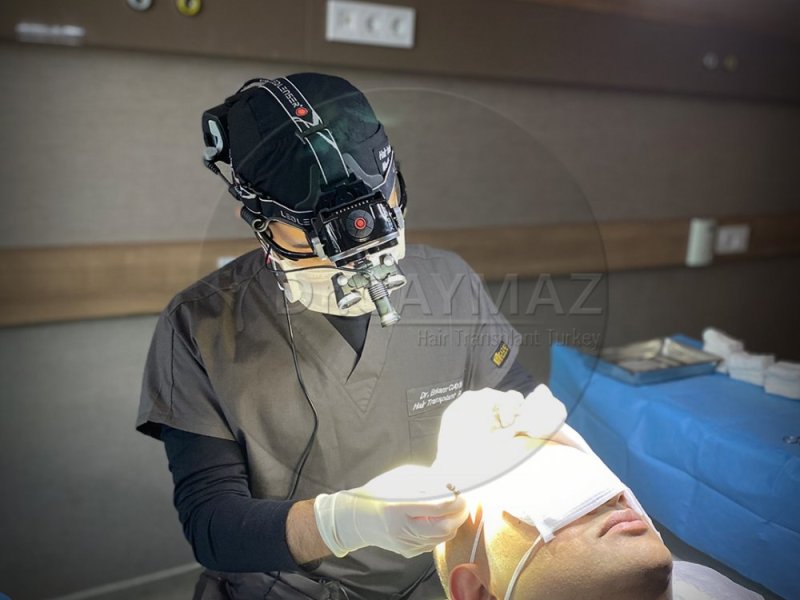
Hair Transplant Turkey
Istanbul combines experienced microsurgical teams with medical-travel infrastructure. Use this block for a quick visual anchor; detailed Turkey planning, pricing context, and clinic due-diligence live in the main article below.
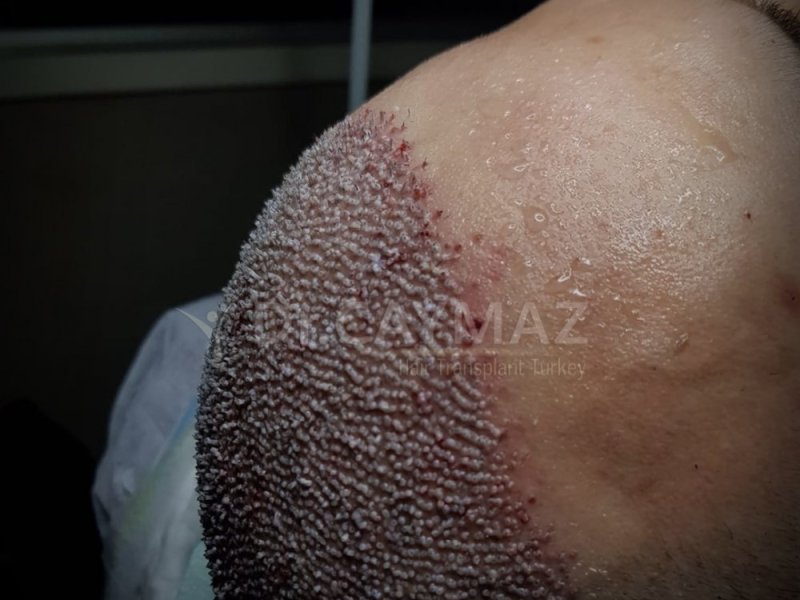
Hair Implantation
Hair implantation places follicles from the donor area into thinning zones in one outpatient session. Full timelines, technique choice, and VIP daily capacity are covered in the pillar body; this card is a concise visual summary.
Get More Information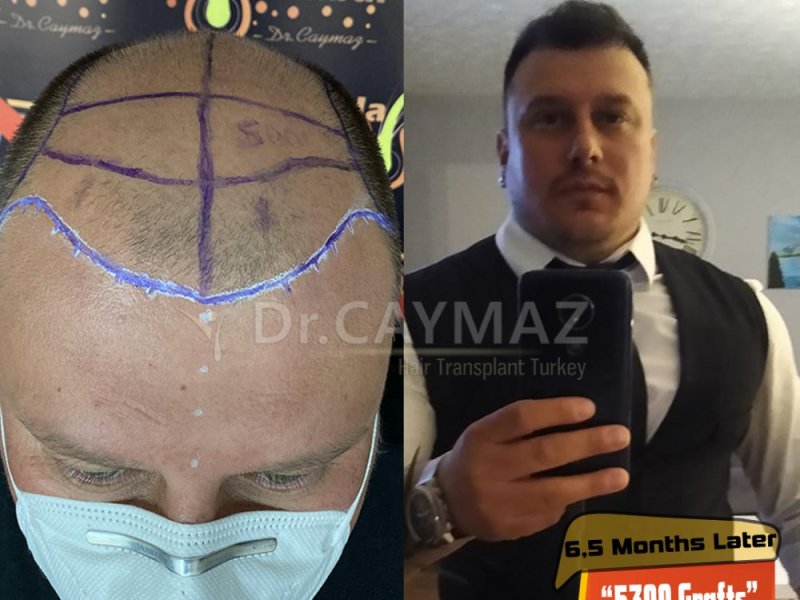
Hair Transplant Turkey Results
Browse representative hair transplant results from international patients to see density and hairline outcomes across graft ranges.
Before&After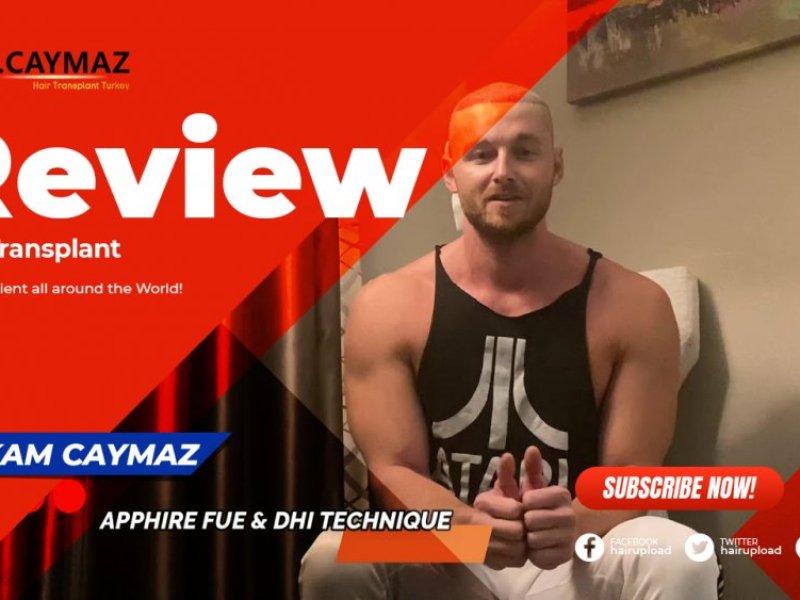
Hair Transplant Turkey Reviews
Read verified patient reviews for travel, clinic communication, and post-op follow-up experiences.
Reviews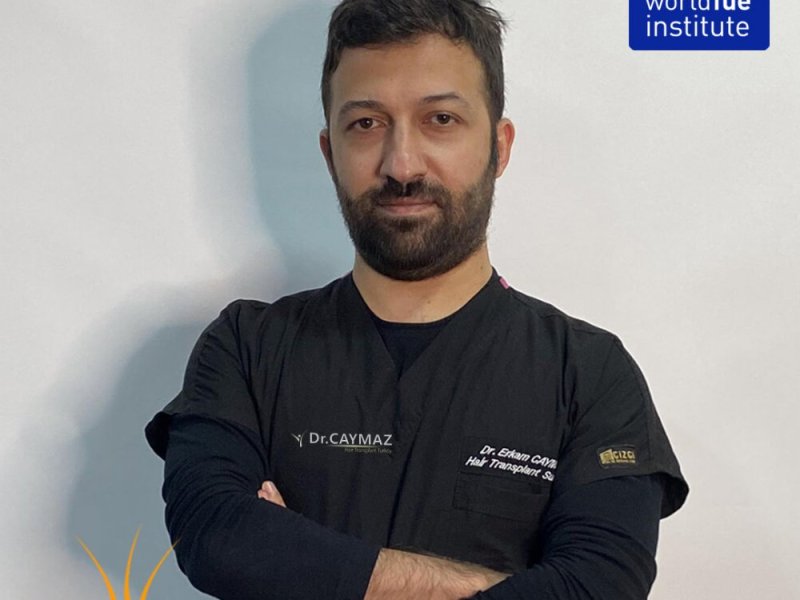
1-2 VIP Operations a Day
Dr. Erkam Caymaz is listed with FUE Europe and the World FUE Institute. The clinic schedules 1-2 VIP operations per day for focused team oversight.
Dr Erkam CaymazIstanbul has become one of the busiest destinations for hair restoration, yet the market ranges from surgeon-led boutique care to high-volume clinics running many same-day cases. A hair transplant in Turkey can offer strong surgical experience and competitive all-inclusive pricing when you verify who designs your channels, how many operations share the same team, and what follow-up exists after you fly home.
This page explains how we structure VIP care for international patients: limited daily intake, Sapphire FUE and DHI options, and logistics aligned with a typical 3–4 night stay. For technique mechanics and donor-zone rules, our hair transplant information pillar walks through session length, anesthesia comfort, and planning checkpoints in more detail.
Why Turkey draws international hair transplant patients
Turkey combines experienced microsurgical teams, established medical travel infrastructure, and package pricing that often undercuts Western clinic quotes. Patients from the UK, Germany, the United States, the Gulf, and dozens of other countries fly to Istanbul each year for FUE-based restoration. The appeal is not only cost: many clinics have performed thousands of procedures and invested in dedicated extraction and implantation teams.
Quality still varies widely. Some centers prioritize volume, stacking six or more cases per day with minimal surgeon involvement, while others cap intake so the operating surgeon can lead consultation, planning, and channel design. Outcome depends more on planning discipline and supervision than on the country name on your itinerary. Price-per-graft races can encourage overharvesting and flat hairline design; value sits in donor preservation, written accountability, and structured aftercare.
VIP intake: one to two operations per day
Dr. Caymaz Hair Clinic limits the schedule to one or two VIP operations per day under the Solo Focus 1/2™ capacity model, roughly fifteen patients per month rather than factory-line throughput. That surgeon-led intake cap matters on long FUE sessions that often run eight to thirteen hours when graft counts, beard donor harvest, or crown work extend the timeline; a smaller daily caseload keeps the surgeon available for channel angles, team coordination, and quality checks during extraction and implantation.
That intake cap is deliberate. When multiple patients share one team on the same calendar day, fatigue rises and oversight thins, exactly the pattern seen in hair-mill settings where technicians work with little direct supervision. Limited volume is how we protect donor reserves and hairline design time rather than chasing headline graft totals in a single sitting.
Since 2012, the clinic has welcomed patients from more than eighty countries. Experience volume matters, but it only helps when each case receives adequate planning time, not when throughput is the business model.
Dr. Caymaz Insight
| Turkey’s strength is skilled microsurgery at scale, but the same market sells volume over supervision. Ask who opens your channels, how many cases run the same day, and how complications are handled after you leave Istanbul. |
Surgeon-led planning and channel work
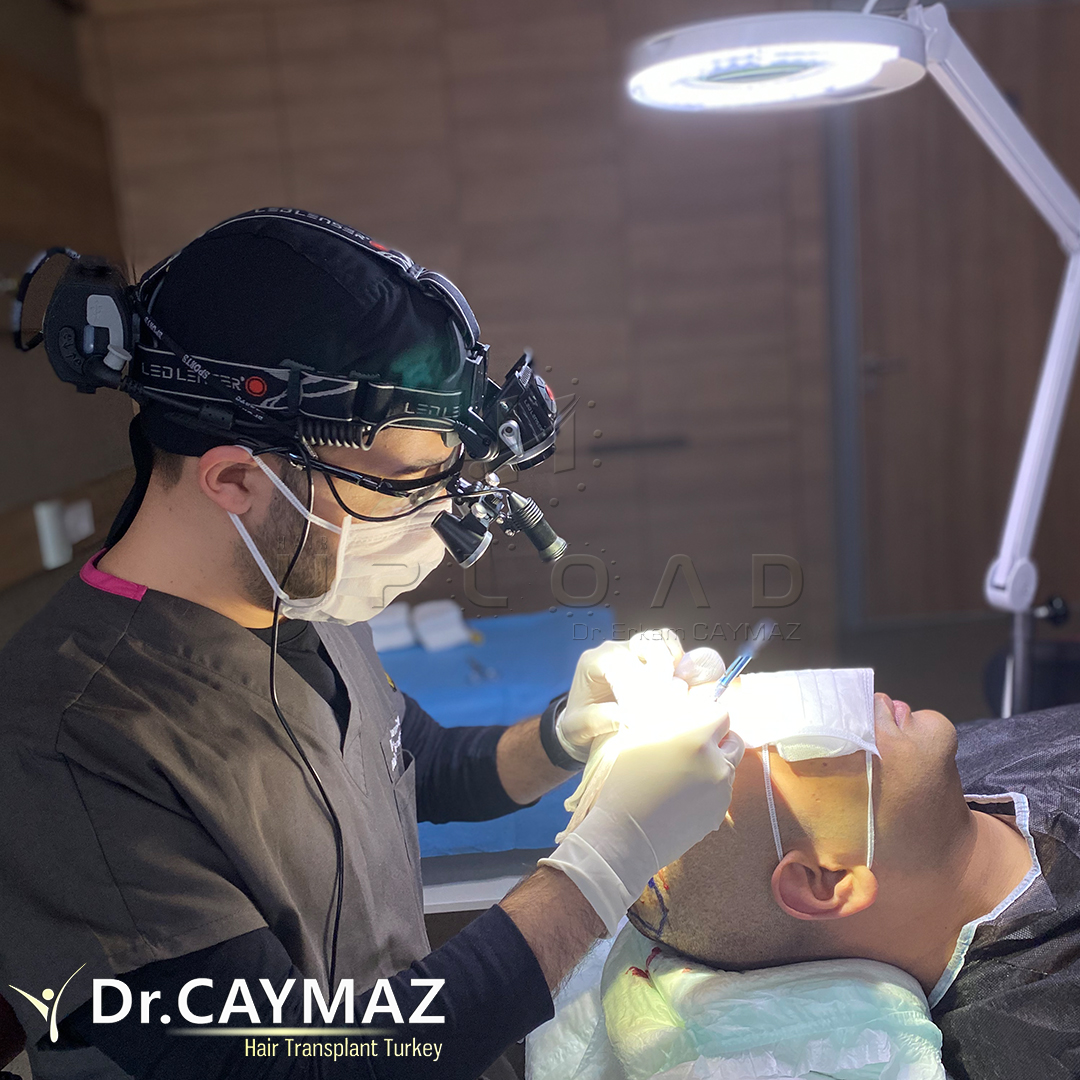
Every case begins with consultation and assessment led personally by the operating surgeon: Norwood staging, donor density, hairline design with facial proportion references, and a realistic graft budget with a long-term loss projection. Planning is roughly half the operation, channel direction, exit angle, and zone assignment are decided before extraction starts.
In VIP packages, channel opening is performed by the surgeon using sapphire micro-blades for recipient sites; graft extraction and implantation are completed by trained technicians under direct supervision. That division matches how experienced Istanbul teams scale quality without pretending one physician places every follicle by hand. If a clinic cannot state clearly who opens channels and who supervises placement, treat that vagueness as a warning sign.
Sapphire FUE and DHI: matching technique to the plan
There is no universally superior technique, only the better surgeon and the better plan. Sapphire FUE is our default for broad coverage: V-shaped sapphire blades create recipient micro-channels, then grafts are placed into pre-made sites. Sapphire FUE hair transplant workflows suit many shaven and partial-shave cases where channel geometry drives natural direction.
DHI with Choi implanter pens fits selected indications, partial unshaven work, tight zones, and targeted density, without marketing one method as always better. Our DHI vs Sapphire FUE comparison maps when each workflow aligns with donor quality and recipient goals. Technique alone does not guarantee outcome; planning, graft handling, and aftercare matter equally.
Female, beard, eyebrow, and Afro-textured cases follow the same planning discipline with technique adjustments for curl direction and facial growth vectors, always with surgeon-led design rather than a one-template hairline.
Success rates around ninety to ninety-five percent and graft survival up to about ninety-eight percent are realistic benchmarks when teams handle follicles atraumatically, never one hundred percent promises.
Your Istanbul journey: travel, hotel, and operation day
Most international patients plan three to four nights in Istanbul: arrival and pre-op review, surgery day, first wash briefing, then flight home. VIP Mercedes transfer, partner hotel accommodation, and coordinator support are bundled in our packages. Transparent hair transplant price packages list what is included so you can compare quotes without hidden facility or transfer fees.
Operation day runs under local anesthesia with optional needleless jet-injection for comfort; patients remain awake and can communicate with the team throughout. A single session typically spans roughly six to eight hours for many cases, extending toward eight to thirteen hours when graft counts rise or extra donor zones are harvested. PRP at the end of surgery, post-op medications, shampoo foam, and a neck pillow are provided before discharge instructions.
All-inclusive packages typically cover the procedure, hotel nights, airport transfers, and coordinator support so you can focus on recovery rather than negotiating taxis or pharmacy runs on an unfamiliar schedule. Compare line items carefully when evaluating quotes from other Istanbul clinics.
How to vet a clinic before you book
Before you commit, ask direct questions: Who performs consultation and hairline design? Who opens recipient channels? How many operations run the same day on your surgery date? What is the plan if you develop redness, pain, or shedding after you return home? Written answers beat brochure superlatives.
Licensed physician oversight, AAAM and FUE Europe credentials, and transparent package inclusions are baseline expectations, not differentiators on their own. The differentiator is whether the named surgeon stays in the room for channel design while your grafts are being handled, and whether aftercare continues once you are back in your home country.
Review case photography with attention to hairline softness, temple points, and donor preservation, not only frontal marketing shots. Patient feedback on hair transplant reviews and verified third-party platforms adds context, but surgical planning conversation remains the strongest filter. Avoid quotes that reward the highest graft count without discussing safe donor limits; mega-sessions above roughly 5,000–5,500 grafts risk overharvesting.
Schedule a hair transplant consultation before you purchase flights. Remote photo assessment can narrow candidacy; final graft numbers and technique choice are confirmed in person.
After surgery, structured hair transplant aftercare, gentle washing, activity limits, and when to report warning signs, protects graft survival through the first weeks when shock shedding is normal but infection is still preventable.
Clinical Intelligence. Hair Transplant in Turkey
Clinical Context
Turkey is the highest-volume hair-transplant destination, yet quality ranges widely. Outcome is driven by surgeon involvement and planning, not the country or technique alone.
Candidate Profile
Adults with stabilised pattern loss and adequate donor density. Norwood 4+ usually needs two or more sessions. Realistic expectations and donor preservation are essential.
Key Risk
High-volume “hair-mill” clinics running many same-day cases with little surgeon supervision, donor overharvesting and unnatural hairline design are the main risks.
Expected Outcome
With sound planning and Sapphire FUE or DHI, overall success is about 90–95% and graft survival up to 98%; the full result matures at 12–18 months.
How is candidacy assessed?
How many grafts are safe in one session?
Sapphire FUE or DHI, which is better?
Why does surgeon involvement matter more than the clinic’s country?
Is the loss truly androgenetic?
Medical therapy before or instead of surgery?
Hairline or crown first?
What goes wrong in high-volume clinics?
Why is overharvesting so damaging?
What makes a hairline look pluggy or fake?
Why is “cheapest price per graft” a trap?
What survival and success rates are realistic?
How long until the final result?
Does technique alone guarantee a result?
How should an international patient vet a clinic?
What must the pre-op plan contain?
What does the journey look like?
What aftercare protects the result?
Key Takeaway
In Turkey the surgeon and the plan, not the country or the technique, decide the result. Choose surgeon-led, limited-intake care over high-volume clinics.
Clinical Pearl
There is no best technique, only the best surgeon. Sapphire FUE and DHI both succeed in experienced hands; matching the method to the case matters more than the label.
Red Flag
A clinic running many same-day operations with technicians working unsupervised, quoting only price-per-graft, and unable to explain how it handles post-operative complications.
Monitoring Point
Watch the donor area for overharvesting signs, distinguish normal shock loss from scarring, and reassess density at 6 and 12 months before considering a second session.
| Check | Why |
|---|---|
| Named surgeon | Channel design accountability |
| Technique fit | Sapphire FUE vs DHI by zone |
| Travel window | Surgery + first wash + briefing |
| Aftercare access | Post-flight follow-up plan |
Experienced surgical teams, medical travel infrastructure, and competitive all-inclusive packages draw international patients. Quality still depends on clinic supervision and planning—not the destination alone.
The clinic limits intake to one or two VIP operations per day so consultation, channel design, and team oversight stay surgeon-led.
Safety depends on clinic standards, sterile technique, and follow-up—not geography. Verify who supervises extraction and implantation and how complications are managed after you fly home.
Sapphire FUE and DHI are both available. Technique choice follows donor quality, zone goals, and whether partial unshaven work is needed—not a one-size label.
Plan three to four nights to complete surgery, receive medications, and attend the first wash briefing before returning home.
Many sessions run roughly six to eight hours; larger graft counts or extra donor zones can extend toward eight to thirteen hours in a single day.
Who opens channels, how many cases share the team that day, expected graft range within safe donor limits, and what remote follow-up is included after departure.
Shock shedding is common in the first weeks. New growth often begins around month three; assess density at twelve to eighteen months, not before one year.
Hair Transplant in Turkey — Frequently Asked Questions
Expert Answers by Dr. Erkam Caymaz, Istanbul