


Quick Numbers
| Early phase | Days 1-14 healing |
|---|---|
| Shock window | Weeks 2-8 |
| Stability review | Months 3-6 plus |
| Re-harvest timing | 10-12 months |
Key Takeaways
| Donor healing and donor regrowth are different timelines. |
| Weeks 2-8 donor shedding can still be reversible. |
| Short-hair appearance often settles over months. |
| Month-12 reassessment supports safer re-harvest decisions. |
Key Takeaways
| Extracted follicles do not regrow; surrounding hair camouflages dots. |
| Redness and scabs are usual early; black tissue is not, seek urgent care. |
| Protect donor from sun, friction, and sweat in week one. |
| Conservative extraction preserves donor for future sessions. |
After FUE, the donor area healing process matters as much as recipient growth. Patients focus on the hairline mirror but the back of the head determines whether future sessions remain possible. Follow our aftercare guide from day one.
First Week: What Is Normal
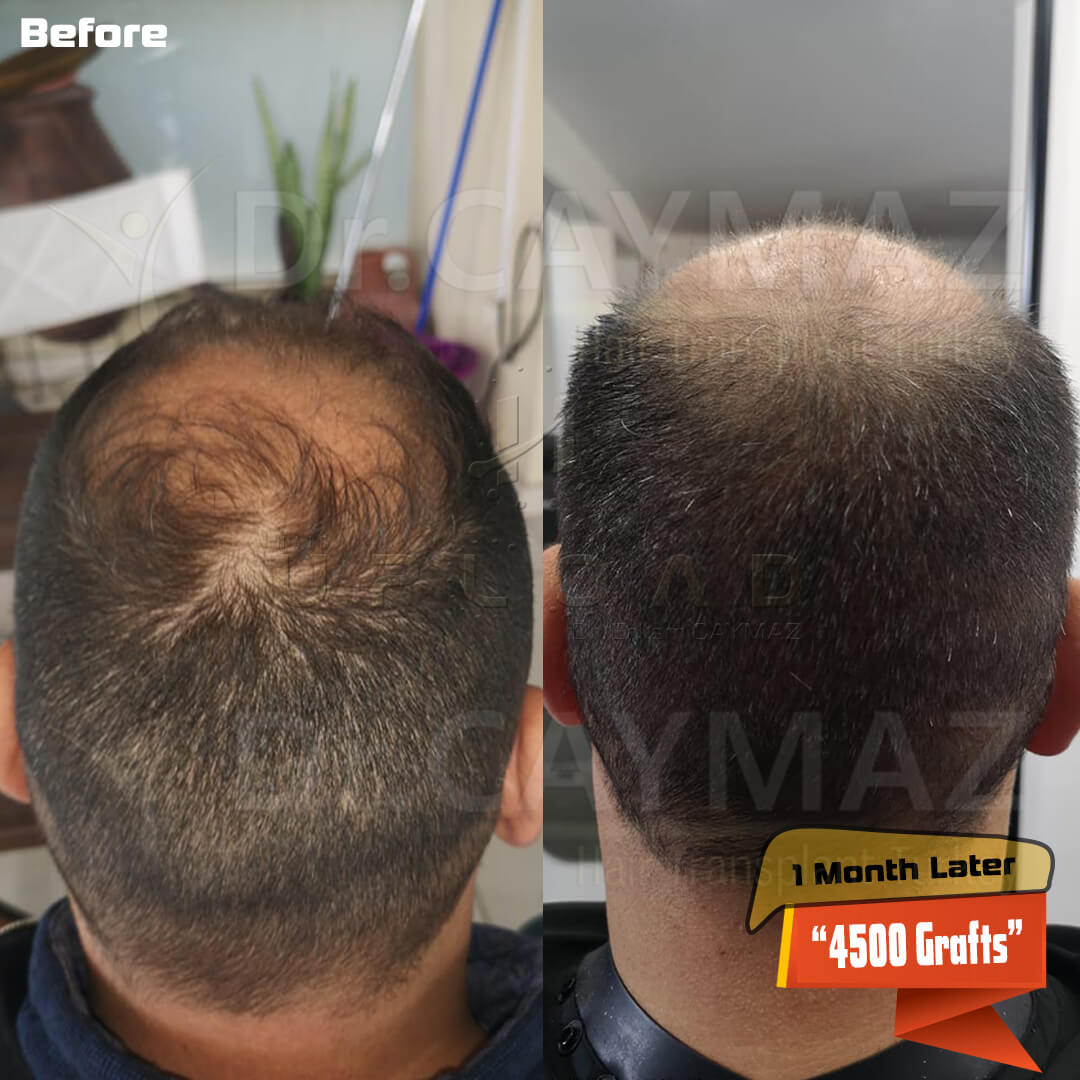

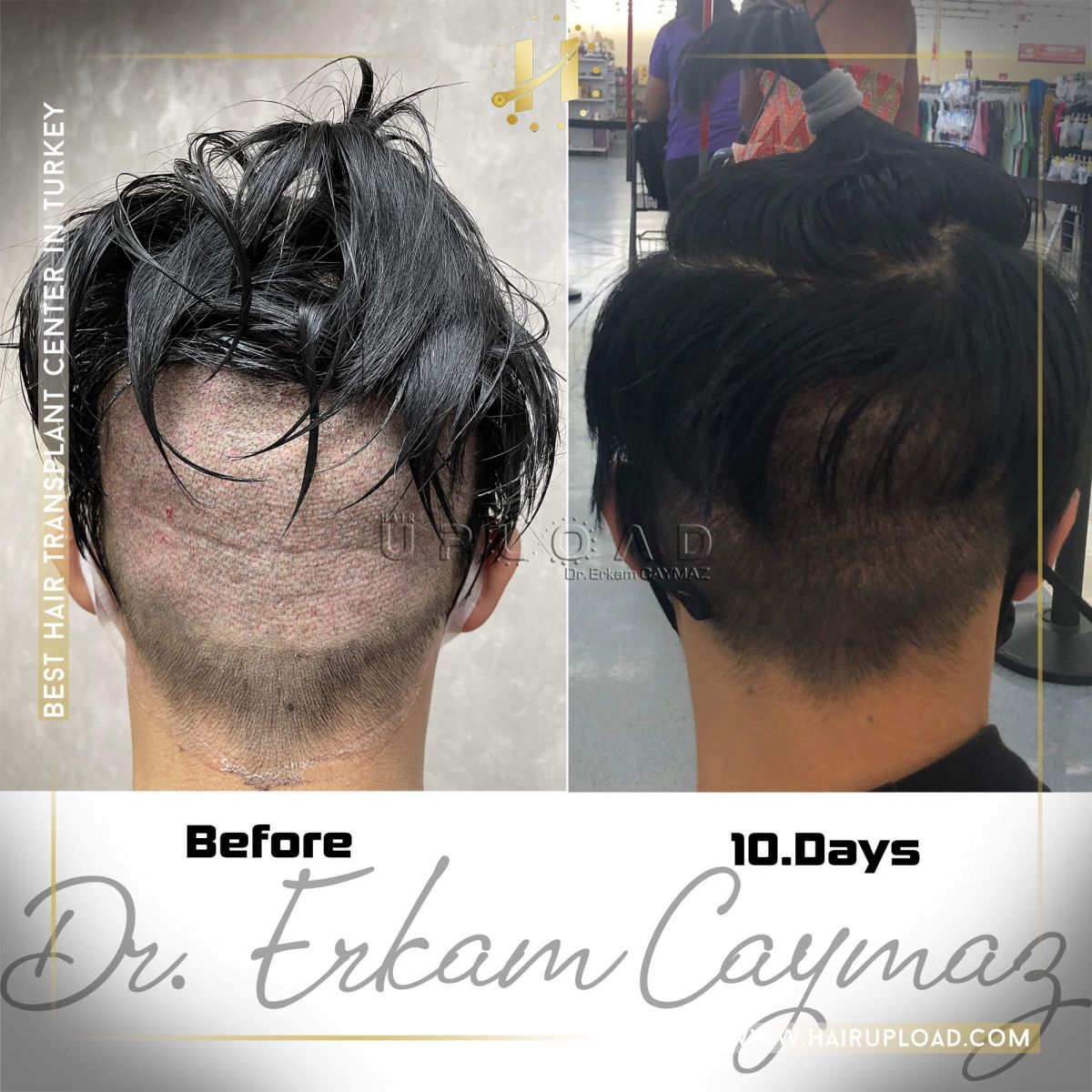
Days 0–3 bring tightness, mild swelling toward the neck, and tiny scabs at each extraction point. Days 4–10 include first gentle washes that loosen crusts. Pink dots remain visible on close inspection, especially on pale or shaved donor skin.
Itching means healing; scratching can dislodge scabs and widen scars. Sleeping on your back reduces friction. Report dusky purple skin immediately. It differs from normal pink healing and may signal necrosis risk, especially with smoking.
Weeks 2–6 and Months 2–6
| Period | Typical donor state |
|---|---|
| Days 1-14 | Crust clearance and sensitivity decline |
| Weeks 2-8 | Possible temporary shedding phase |
| Months 3-6 | Progressive cosmetic blending |
| Month 10-12 | Safer re-harvest evaluation point |
Sunburn on healing donor skin hyperpigments easily, wear a loose hat outdoors. Gym strain and helmet pressure can irritate sites before they close.
Dr. Caymaz Insight
| When recovery feels slow, I compare standardized timeline photos at fixed hair lengths. That method separates normal healing variance from true donor depletion risk. |
Donor Reserves and Second Sessions
Healed donor is not automatically ready for re-harvest. Assess donor density and balance with recipient goals. Overharvest shows moth-eaten thinning visible when hair is worn short.
Compare with basics of donor area surgery and timing for when donor appearance normalizes. Book follow-up photos if patchiness worries you at month three, early reassurance beats late revision.
Haircuts, FUE Dots, and Long-Term Camouflage
Keeping donor at grade 2–3 for the first month protects healing sites; afterward most patients return to their preferred length. Very short buzz cuts reveal stippling until extraction sites mature. This is cosmetic, not medical failure.
Remaining occipital hair grows through the same follicles; only extracted units are gone permanently. Even extraction spacing determines whether stippling disappears at #2 guard or remains visible at #0.
When Healing Is Not Normal
Spreading redness, fever, malodor, or expanding bald patches in the donor need same-day review. Sterile technique and gentle home care prevent most infections; ignoring warning signs converts a manageable course into prolonged antibiotics or debridement.
Healthy donor healing today preserves options tomorrow. Treat the back of your head as strategic inventory, not disposable stubble.
Sleep, Pillows, and Donor Friction
Side sleeping can rub extraction zones against pillowcases during week one. Silk or satin cases reduce drag; some patients use travel neck pillows to limit contact. Tight hats or motorcycle helmets too early can shear healing crusts. Follow your clinic’s timeline before compressive headwear.
Pair donor monitoring with recipient growth milestones in our aftercare hub. When both zones heal on schedule, you protect the option of additional scalp harvest later if coverage goals require it.
Donor healing should be monitored with structure
Recovery is easier when expectations are tied to phases. First comes skin healing and crust management, then possible temporary shedding, then progressive visual blending. Patients who judge donor quality too early often misclassify normal transitions as permanent loss.
Short-hair goals should shape follow-up interpretation
At short clipper lengths, micro-contrast and spacing patterns are easier to see. This does not always mean overharvest. Standardized photos at fixed lengths help distinguish temporary visibility from structural depletion.
Why month-12 remains the safer re-harvest checkpoint
By around 10 to 12 months, donor behavior is usually clearer for planning. Re-harvest decisions made earlier can underestimate residual stress and overestimate available reserve. Conservative timing protects long-term options.
The first week after extraction is dominated by crusting, tightness, and pink micro-sites that improve with gentle washing. Scratching or aggressive combing can widen scars and delay healing. Most patients notice gradual cosmetic settling between months three and six. For day-by-day expectations and warning signs, see donor area healing after surgery.
Donor shock loss reflects surgery-related stress on follicles that were not extracted, not permanent relocation of grafts. It often appears between weeks two and eight and can mimic overharvest visually. Management focuses on timeline monitoring, gentle care, and avoiding premature re-harvest. Mechanisms and risk factors are detailed in our donor shock loss article.
Low-level laser therapy is sometimes added after FUE to support recovery, but start windows and device quality vary. Caps should not replace medical follow-up or compress approved aftercare steps. Most teams delay adjunct devices until initial healing milestones are met. See when we typically authorize laser cap use after FUE.
For the complete week-by-week recovery map beyond the donor area, see our hair transplant recovery timeline guide.
Sources & clinical references
FAQ
Crusting, mild tenderness, and visible micro-sites are common and usually improve with protocol-based care.
Yes, temporary shedding can occur during weeks 2 to 8.
Cosmetic blending often improves over months, not days, and varies by extraction pattern and haircut length.
Most teams reassess around month 10 to 12 after stabilization.
Persistent patch expansion, drainage, severe pain, or prolonged inflammation should be evaluated quickly.
Indirectly. A donor area that heals cleanly on the first attempt avoids the extra visits and products a complicated healing course can require.
See also: Donor Area in Hair Transplant Surgery · Donor Area After Hair Transplantation

Why You Are Not Getting Good Results After Your Hair Transplantation?
Poor results after a hair transplantation usually mix planning errors, weak technique, ongoing native loss, or recovery…
Read More: Why You Are Not Getting Good Results After Your Hair Transplantation?
What does it mean Overharvest : Hair Transplantation?
In hair transplant surgery, overharvest means removing more follicles from the donor area than the scalp can afford to…
Read More: What does it mean Overharvest : Hair Transplantation?
Breast operations: all information about breast correction
Breast operations include augmentation with implants or fat, mastopexy lift, reduction for comfort or aesthetics, and…
Read More: Breast operations: all information about breast correction
Places to visit in Istanbul during Hair Transplant Procedure
Istanbul is a living history with city walls, mosques, palaces, museums and lots of historical places. You don’t need…
Read More: Places to visit in Istanbul during Hair Transplant ProcedureDonor Area — Frequently Asked Questions
Expert Answers by Dr. Erkam Caymaz, Istanbul