


关键数据
| 早期阶段 | 第 1-14 天愈合 |
|---|---|
| 防震窗 | 第 2-8 周 |
| 稳定性审查 | 3-6 个月及以上 |
| 重新收获时机 | 10-12个月 |
要点
| 供体愈合和供体再生是 不同的时间线。 |
| 第 2-8 周供体脱落仍然是可逆的。 |
| 短发的外观通常会在几个月内稳定下来。 |
| 第 12 个月的重新评估支持更安全的重新收获决策。 |
要点
| 提取的卵泡 不再生;周围的头发伪装点。 |
| 早期通常会出现发红和结痂; 黑色组织 不是,寻求紧急护理。 |
| 第一周内保护捐赠者免受阳光、摩擦和汗水的影响。 |
| 保守提取可保留供体 未来的会议。 |
FUE 之后, 供区愈合过程 与接受者的成长同样重要。患者将注意力集中在发际镜上,但后脑勺决定了未来是否可以进行治疗。关注我们的 善后指南 从第一天开始。
第一周:什么是正常的
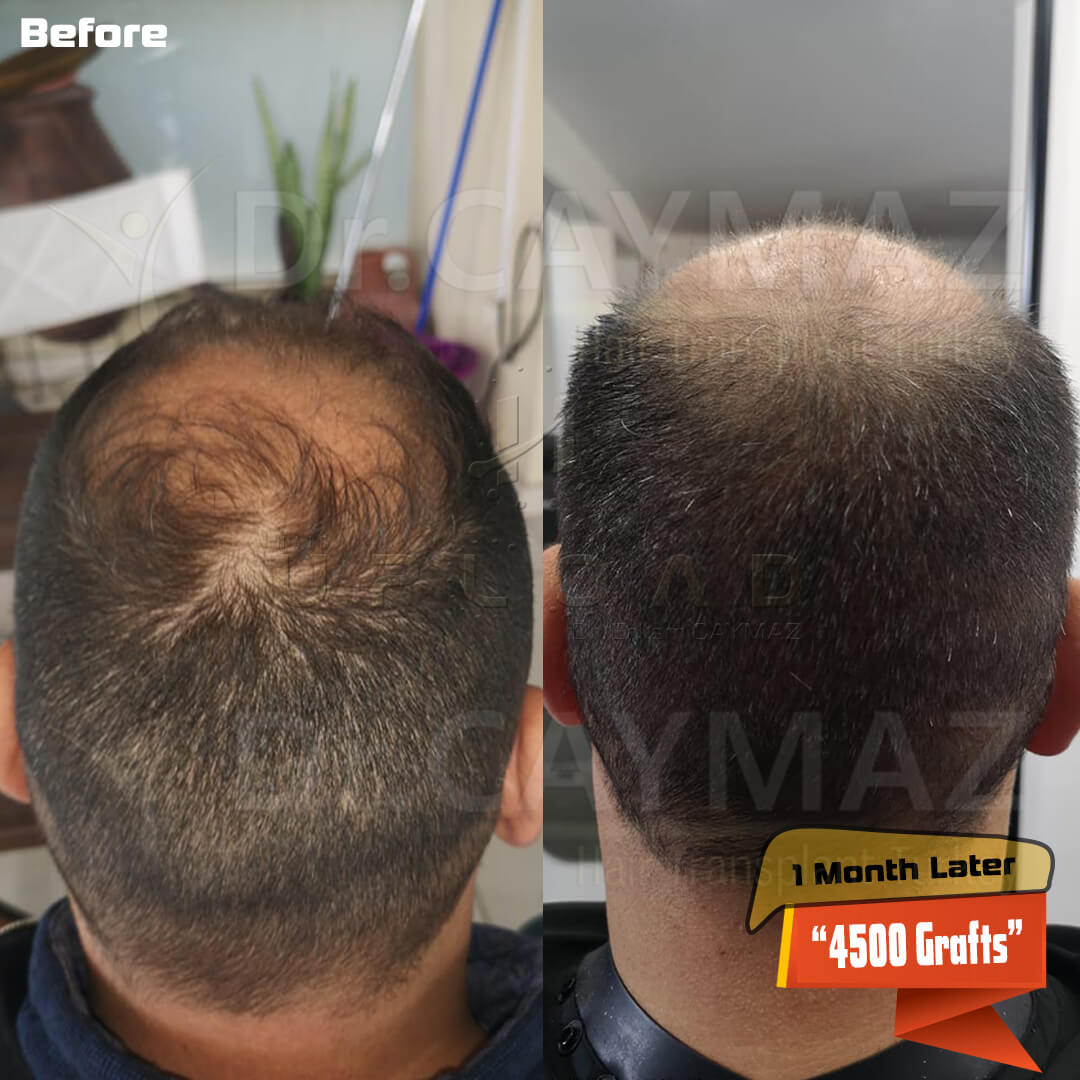

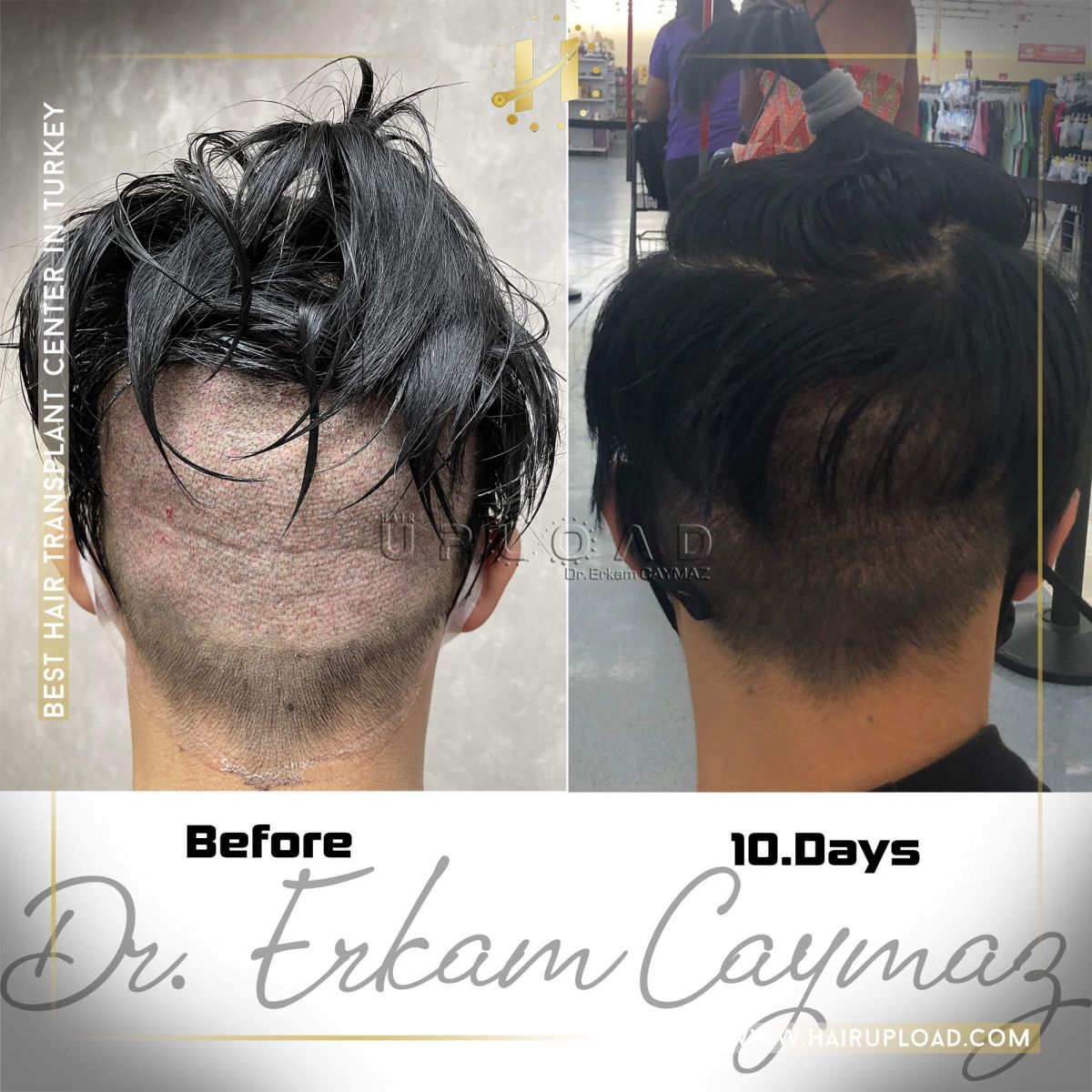
第 0-3 天,颈部会出现紧绷感、轻微肿胀,并且每个拔牙点都会出现细小的结痂。第 4 至 10 天包括第一次轻柔清洗,以松开硬皮。仔细检查时,粉红色的点仍然可见,特别是在苍白或剃光的供体皮肤上。
痒意味着痊愈;抓挠可以去除痂并扩大疤痕。仰卧睡觉可以减少摩擦。立即报告暗紫色皮肤。它与正常的粉红色愈合不同,可能发出信号 坏死风险,尤其是吸烟时。
视频要点(土耳其语,配英文字幕): 如何护理供区:第一次洗头时拆除绷带,之后约 7 到 10 天内涂抹抗生素药膏并轻柔按摩,直到提取点愈合。愈合后,Caymaz 医生建议一些可选的辅助方法来帮助恢复、减少供区脱发,例如 PRP(每月做一次也没有问题)、中胚层疗法精华、维生素,以及大约从第 4 周开始使用椰子油或黑蓖麻油。
第 2-6 周和第 2-6 个月
| 时期 | 典型的捐助国 |
|---|---|
| 第 1-14 天 | 地壳间隙和敏感性下降 |
| 第 2-8 周 | 可能的暂时脱落阶段 |
| 第 3-6 个月 | 渐进式化妆品混合 |
| 10-12 月 | 更安全的再收获评估点 |
正在愈合的供体皮肤容易被晒伤色素沉着过度,在户外戴一顶宽松的帽子。健身房的压力和头盔的压力会在关闭之前刺激部位。
凯马兹博士洞察力
| 当感觉恢复缓慢时,我会比较固定头发长度的标准化时间线照片。该方法将正常的愈合差异与真正的供体耗尽风险分开。 |
捐助者储备金和第二次会议
治愈的捐赠者不会自动准备好重新收获。评估 供体密度 并与接收者目标保持平衡。当头发剪短时,过度收获会出现明显的虫蛀稀疏现象。
与基础知识比较 供区手术 and timing for when donor appearance normalizes.如果您在第三个月时对不完整的情况感到担忧,请预订后续照片,早期的保证胜过后期的修改。
发型、FUE 点和长期迷彩
第一个月将供体保持在 2-3 级可以保护愈合部位;之后大多数患者恢复到他们喜欢的长度。非常短的嗡嗡声切割揭示了点画,直到提取位点成熟。这是美容上的失败,而不是医疗上的失败。
剩余的枕骨毛发通过相同的毛囊生长;只有提取的单位才会永久消失。即使提取间距也决定点画是否在 #2 防护处消失或在 #0 处保持可见。
当愈合不正常时
捐赠者出现发红、发烧、恶臭或秃斑扩大需要当天进行检查。无菌技术和温和的家庭护理可预防大多数感染;忽视警告信号会将可控的病程转化为长期的抗生素或清创治疗。
今天捐献者的健康康复可以为明天保留选择。将后脑勺视为战略库存,而不是一次性胡茬。
睡眠、枕头和供体摩擦
第一周侧睡可能会使拔牙区与枕套发生摩擦。丝绸或绸缎外壳可减少阻力;一些患者使用旅行颈枕来限制接触。过早戴紧帽子或摩托车头盔会剪断正在愈合的痂皮。在佩戴压缩头饰之前,请遵循诊所的时间表。
将捐赠者监测与接受者成长里程碑配对 善后护理中心。当两个区域按计划愈合时,如果覆盖目标需要,您可以选择稍后采集额外的头皮。
应通过结构监测供体愈合情况
当期望与阶段挂钩时,恢复会更容易。首先是皮肤愈合和结皮管理,然后是可能的暂时脱落,然后是渐进的视觉融合。过早判断供体质量的患者常常将正常的转变错误地归类为永久性损失。
短发目标应塑造后续解读
剪子长度较短时,更容易看到微对比度和间距图案。这并不总是意味着过度收获。固定长度的标准化照片有助于区分临时可见性和结构损耗。
为什么 12 月仍然是更安全的重新收获检查点
By around 10 to 12 months, donor behavior is usually clearer for planning.早期做出的重新收获决策可能会低估残余压力并高估可用储备。保守的时机可以保护长期选择。
拔牙后的第一周主要是结痂、紧绷和粉红色的微部位,通过温和的清洗可以得到改善。抓挠或过度梳理会使疤痕扩大并延迟愈合。大多数患者注意到在第三个月到六个月期间美容逐渐稳定。有关日常期望和警告信号,请参阅 手术后供区愈合。
供体休克损失反映了未提取的卵泡与手术相关的压力,而不是移植物的永久重新定位。它通常出现在第二周到第八周之间,并且可以在视觉上模仿过度收获。管理重点是时间监控、温和护理和避免过早重新收获。机制和风险因素详见我们的 供体休克损失 文章。
有时在 FUE 之后添加低强度激光治疗以支持恢复,但启动窗口和设备质量各不相同。帽子不应取代医疗随访或压缩批准的善后护理步骤。大多数团队都会推迟使用辅助设备,直到达到最初的治疗里程碑。查看我们通常何时授权 FUE 后使用激光帽。
有关捐赠区以外的完整的每周恢复图,请参阅我们的 毛发移植恢复 时间线指南。
来源和临床参考
常见问题
结痂、轻度压痛和可见的微小部位很常见,并且通常可以通过基于方案的护理得到改善。
是的,第 2 至 8 周期间可能会出现暂时脱落。
化妆品混合通常需要几个月而不是几天的时间才能改善,并且会因拔牙方式和理发长度而异。
大多数团队在稳定后的 10 到 12 个月左右重新评估。
应迅速评估持续的斑块扩张、引流、剧烈疼痛或长期炎症。
间接地。一次尝试就能完全愈合的供体区域可以避免复杂的愈合过程可能需要的额外就诊和产品。

大型毛发移植:4000+ 移植安全
大型毛发移植一次可提取 4,000 根或更多移植物。虽然技术上可行,但捐赠者安全、移植物在体外的存活率和团队疲劳设定了真正的上限。对于 Norwood 4 及以上版本,分成至少相隔六个月的两次会议可以保护捐赠者密度并改善长期结果。
阅读更多: 大型毛发移植:4000+ 移植安全
植发与头皮组织的影响
头皮组织质量影响拔牙安全性、植入反应和化妆品耐久性。即使在健康组织中,也可能在第 2 至 8 周内发生暂时的供体脱落,而第二次收获计划通常需要等待 10 至 12 个月。更好的结果来自组织感知策略和术前优化。
阅读更多: 植发与头皮组织的影响
腹壁整形术
当饮食和运动无法恢复轮廓时,腹部整形术可以去除松弛的腹部皮肤,并可以修复直肠分离。手术采用下腹部切口,可能需要重新定位肚脐;恢复包括数周的压缩和有限应变。这不是减肥手术,理想的候选人是接近稳定的体重并了解永久性疤痕的权衡。
阅读更多: 腹壁整形术
每日阅读毛发移植恢复图片
正常的毛发移植恢复照片显示前 10 至 14 天呈粉红色皮肤和小痂,第 2 至 8 周期间脱落,第 3 至 4 个月出现良好的新生长,第 12 个月时接近最终的正面结果。一致的灯光、距离和干燥的头发使您的照片具有可比性。
阅读更多: 每日阅读毛发移植恢复图片供体区 — 常见问题解答
Dr. Erkam Caymaz(伊斯坦布尔)的专家解答