


Alopecia, which can occur in all people, means hair loss. What is Alopecia Areata? How is the treatment done? It is a matter of curiosity and alopecia occurs due to shedding in the person's hair area.
This shedding, which can occur in an oval or round shape, does not cause a change in the skin. This kind of situation can be encountered in beard, hair, and body hair. The condition that occurs in the form of patches is caused by the person's defense cells. It is a disorder caused by the cells in the immune system attacking the hair root cells.
How Does Alopecia Areata Occur?
A confusion that may occur in the immune system of people can lead to this ailment. How Does Alopecia Areata Occur? When researched, it is seen that it occurs as a result of the immune system attacking the cells in the body, assuming it is foreign.
The defense cells in the immune system, which are responsible for defending the person's body, attack the person's hair follicles. This attack causes an opening in areas with previously hairy hair. This opening can be about the size of a coin and appears in patches. The discomfort does not follow a course other than the physical appearance.
While the diagnosis of this disease is made as a result of a dermatological examination, it is a non-infectious condition. In cases where some diseases are seen, Alopecia Areata may accompany these disorders. It is more likely to be seen in those with a family history of asthma, diabetes, and allergic diseases.
Alopecia Areata Treatment
When this discomfort arises, there are questions to be wondered at. One of them develops in the form of Alopecia Areata Treatment. In addition to the lack of a complete cure, there is a possibility of hair regrowth within a year. While it is necessary to consult a dermatologist for the treatment of this type of ailment, this disease is also known as ringworm. This disorder, which is more common in men, can be seen at a young age.
Although there is no definitive treatment method for this ailment, it is seen that successful results are obtained from preventive studies. In addition, the possibility of spontaneous regrowth of the shed hair should be considered.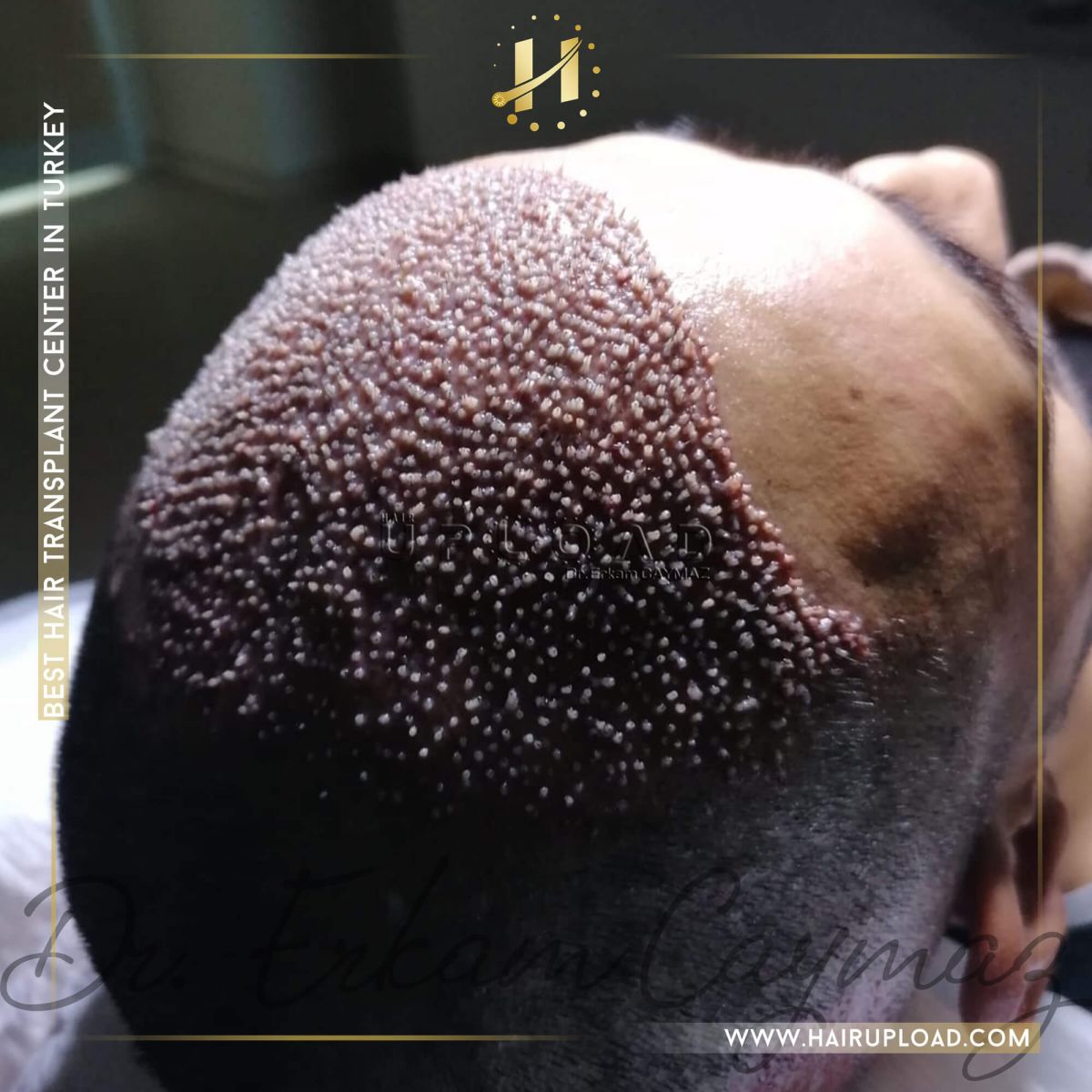
Alopecia Areata and Hair Transplantation
While Alopecia Areata and Hair Transplantation are among the curious subjects, the results obtained from the studies on this subject are that hair transplantation is not applied to the patients who are in the treatment process.
In addition, it is not correct to perform a surgical intervention before the treatments performed under the control of a doctor are completed. After the completion of the treatment under the supervision of a physician, it is seen that hair transplantation is performed in some patients if the doctor finds it appropriate.
While the success to be achieved during such applications varies depending on the condition of the person, it is seen that the hair planted in the area continues to exist in some trials. In hair transplantation applications, it is desired that the hair to be taken from the area called the donor should be of sufficient density.
Therefore, these studies are carried out under the supervision of specialist doctors and in hospital environments. In addition to safe medical methods, thanks to advanced technological devices, a very advanced level have been reached in hair transplantation.
The availability of robotic surgery diversifies the studies on hair transplantation. Therefore, hair transplantation applications are performed in cases of baldness, hair thinning, or shedding problems that occur due to many reasons.
In cases where Alopecia Areata (ringworm) occurs, it is necessary to go to a dermatologist first. It is understood from the researches that hair transplantation can be performed for a patient who has completed the treatment process if the doctor deems it appropriate.
In addition, the treatment process of the disease that occurs in the patient should be followed under the supervision of the doctor. In some patients with Alopecia Areata, hair follicles may come back on their own after a certain period of time. In cases where there is no possibility of the roots coming back, the doctor's recommendation is acted upon.
Preguntas frecuentes
Es una forma autoinmune de caída del cabello en la que el sistema inmunológico ataca los folículos pilosos, lo que produce zonas lisas, redondas u ovaladas en el cuero cabelludo, la barba o el cuerpo. La piel subyacente suele tener un aspecto normal y la afección no es contagiosa.
Muchas veces sí. Muchas personas ven un nuevo crecimiento en meses, a veces hasta un año, sin cirugía. Los parches también pueden reaparecer o extenderse, por lo que es importante el seguimiento dermatológico a largo plazo.
Un dermatólogo debe diagnosticar la afección y dirigir el tratamiento médico. Las clínicas de trasplante de cabello pueden consultar más adelante sólo cuando la enfermedad esté inactiva y un especialista esté de acuerdo en que la cirugía es apropiada.
No durante un brote activo o mientras el tratamiento médico esté en curso. En casos estables seleccionados, después de la autorización dermatológica, se puede discutir el trasplante en zonas con cicatrices o de larga duración con expectativas realistas sobre el riesgo de recurrencia.
No. La calvicie de patrón suele estar impulsada por los andrógenos y es gradual. La alopecia areata está mediada por el sistema inmunológico y a menudo aparece como parches discretos de aparición repentina.
Se informan con mayor frecuencia antecedentes familiares de enfermedades autoinmunes o alérgicas, asma, trastornos de la tiroides y diabetes tipo 1. El estrés puede desencadenar brotes en algunos pacientes, pero no es la única causa.

Comparación entre la punta Sapphire FUE y el bolígrafo DHI Choi
From time to time such questions come from patients. An important issue that our patients do not know is the area…
Leer Más: Comparación entre la punta Sapphire FUE y el bolígrafo DHI Choi
Volar después del trasplante de cabello: desfase horario y recuperación
Los vuelos de larga distancia después de un trasplante de cabello exponen a los pacientes a cambios de presión en la…
Leer Más: Volar después del trasplante de cabello: desfase horario y recuperación
Cirugía de trasplante de cabello para mujeres: costos y ética del donante
La cirugía de trasplante de cabello para mujeres generalmente requiere de 800 a 2500 injertos, menos que la mayoría de…
Leer Más: Cirugía de trasplante de cabello para mujeres: costos y ética del donante
La línea capilar en el trasplante afro: importancia y ubicación
Getting a hair transplant is a big decision. For men with Afro-textured hair, there’s an extra layer to consider that…
Leer Más: La línea capilar en el trasplante afro: importancia y ubicaciónPérdida de cabello — Preguntas Frecuentes
Respuestas de expertos por el Dr. Erkam Caymaz, Estambul