


Dr. Caymaz reviews sleep, smoking, and metabolic history because those factors shape the first-month healing curve as much as implant technique.
Quick Numbers
| High-risk window | Weeks 2–4 post-op |
|---|---|
| Smoking effect | Vasoconstriction |
| Sleep target | 7+ hours nightly |
| Lab checks | Vitamin D, iron, thyroid |
Key Takeaways
| Surgery is half the outcome; biology is the other half. |
| Smoking chokes early graft blood supply. |
| Telogen effluvium mimics graft failure temporarily. |
| Correct deficiencies before elective FUE when possible. |
Patients often assume hair transplant success depends entirely on graft count and punch type. Surgical technique matters, yet the biological environment into which grafts are placed determines how well they anchor, how native hair responds, and how satisfied you feel at month twelve. Chronic stress, poor sleep, smoking, and untreated metabolic gaps can all degrade outcomes even when extraction and implantation are executed well.
Surgery sets the stage; your body finishes the work

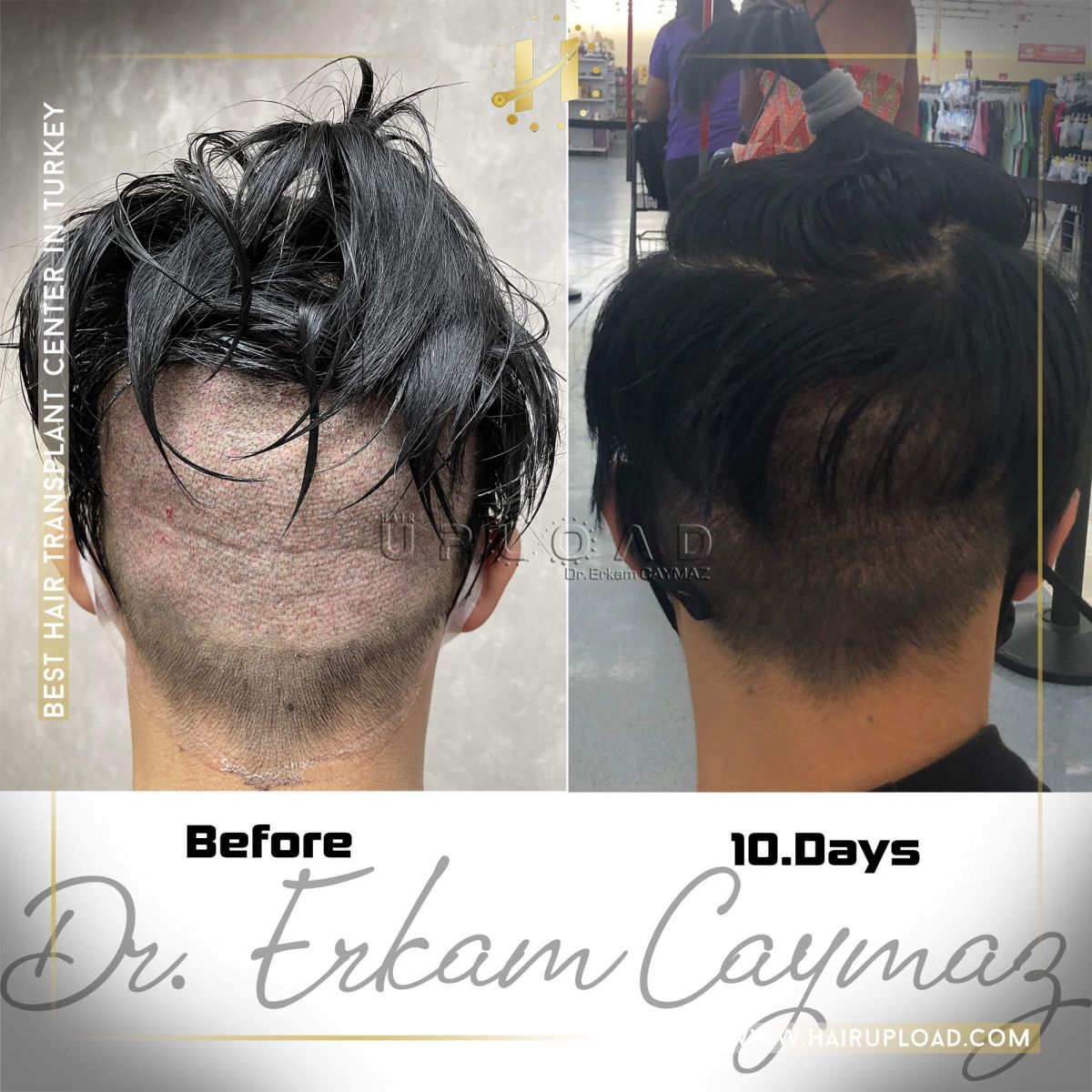
Think of transplantation as planting in soil. A skilled surgeon controls depth, angle, and density. You control inflammation, blood flow, nutrition, and recovery behavior. The first seventy-two hours after FUE rely on oxygen diffusion and local perfusion until new vascular connections form. Anything that shrinks vessels or prolongs inflammation, nicotine, severe sleep debt, uncontrolled diabetes, raises the odds of weak early take or prolonged redness.
This does not mean perfection is required. It means elective surgery deserves the same seriousness as any procedure where you want a durable result. A high-stress launch week with four-hour sleep and skipped washes is a predictable way to undercut excellent surgical work.
Stress, cortisol, and telogen effluvium
| Factor | Effect | Action |
|---|---|---|
| Chronic stress | Telogen shedding | Stabilize triggers |
| Smoking | Reduced perfusion | Stop pre-op |
| Vitamin D low | Slower follicle support | Correct with physician |
| Poor sleep | Inflammation, fatigue | Protect rest window |
Acute and chronic psychological stress can push follicles into telogen, the resting phase, causing diffuse shedding weeks after the trigger. Major surgery itself is a stressor; adding life crises, heavy training, or panic about appearance can compound shedding. Patients sometimes blame graft failure when the issue is synchronized telogen of native hairs around the recipient zone.
Cortisol is not an enemy. It is a necessary hormone, but persistently elevated levels correlate with poorer sleep, higher inflammation, and behaviors that harm recovery (smoking, alcohol, skipped meals). If you enter transplant already shedding from stress, stabilize the trigger when possible or delay until shedding slows so baseline photos are trustworthy.
Dr. Caymaz Insight
| Patients who sleep three hours, smoke, and skip washes rarely have a technique problem. They have a recovery problem. I screen for that as carefully as Norwood stage. |
Sleep and recovery quality
Sleep supports immune regulation and tissue repair. Elevated head position reduces swelling, but sleep quantity still matters for how you feel and comply with washing schedules. Patients who treat the first week as a normal work sprint often miss gentle wash windows or bump grafts at night. Plan protected sleep before surgery, not after problems appear.
Smoking, alcohol, and vascular supply
Nicotine constricts blood vessels. For newly implanted grafts, that is a direct threat in the early perfusion window. Most ethical teams require smoking cessation for at least one to two weeks before and several weeks after surgery. Alcohol increases bleeding risk and disrupts sleep architecture; heavy use around surgery worsens swelling and makes aftercare compliance harder.
Nutrition and common lab gaps
Vitamin D deficiency, low ferritin, thyroid imbalance, and iron deficits do not automatically disqualify you from FUE, but they can prolong shedding and slow the cosmetic improvement curve. When labs are available, correcting deficiencies four to six weeks before elective surgery is reasonable when your physician agrees. Crash dieting or rapid weight loss before transplant can also trigger telogen effluvium independent of surgery.
Exercise timing and cortisol spikes
Heavy lifting and high-intensity training raise blood pressure and scalp tension early after FUE. Most protocols restrict strenuous exercise for fourteen days or longer. Light walking is encouraged to support circulation without sweating heavily into the recipient area. Returning to sport too early is a common cause of graft dislodgement and prolonged edema.
Protecting native hair while grafts mature
Transplanted follicles may be permanent, but surrounding native hair remains subject to androgenetic miniaturization unless medically stabilized. Stress-driven shedding plus progressive pattern loss can make the transplant look isolated within two years. Finasteride, dutasteride, or minoxidil may be recommended not because grafts require them to survive, but because the canvas behind the hairline still changes.
Practical pre-op and post-op checklist
Stop smoking per clinic rules. Stabilize sleep. Complete prescribed washing without improvising scrubs or picking crusts. Report sudden diffuse shedding to your team with photos rather than assuming graft death. Treat scalp redness or pustules promptly. If life delivers an unavoidable stress event mid-recovery, focus on what you control: sleep elevation, gentle hygiene, and avoiding further vascular insults like smoking.
The best results come from teams that operate precisely and patients who treat recovery as seriously as the operation itself.
Scalp inflammation, seborrhea, and dermatitis
Active seborrheic dermatitis or folliculitis before surgery makes early healing redder and itchier, and that's exactly when patients start scratching grafts. If you're getting flare-ups, it's better to settle them with a physician-directed shampoo or topical treatment before you book an elective date. After the transplant, sudden pustules can mean infection or ingrown hairs, so send us photos early instead of reaching for whatever antibiotic cream is in the cabinet. Chronic inflammation pulls immune attention away from graft stabilization during that first month, and you don't want that competition.
Medical therapy as part of biological balance
Finasteride and minoxidil won't replace sleep or undo smoking, but they do handle the androgen side of miniaturization that stress alone can't explain. Oral minoxidil isn't for everyone, some patients need blood-pressure monitoring while they're on it. PRP or mesotherapy sometimes shows up in recovery plans; treat each one as an add-on with a measured goal, not as a stand-in for washing and elevation. And if your thyroid is off or you're postpartum, get an endocrine review before you blame the grafts.
When to postpone elective transplant
There are times I'd rather you wait. If you're in acute telogen effluvium, still recovering from a major illness, unable to quit smoking for the required window, or heading into physical labor that won't let you protect your head, delay. Surgery during uncontrolled diabetes or active cardiac instability isn't safe, full stop. Mental readiness counts too. If you're expecting perfection by week four, the impatience itself makes the whole thing harder. A two-month wait for better biology often saves donor you can't get back.
Measuring progress without panic
Monthly photos in the same bathroom lighting beat daily mirror checks. Compare native density behind the hairline, not only the transplanted row. Shock loss peaks between weeks two and eight; grafts are not dead because shafts fall. If shedding persists beyond six months with widening diffuse thinning, revisit labs and diagnosis before scheduling revision. Biological balance is a long game. Transplant is one chapter, not the entire book.
Building sustainable habits after month one
Once acute healing passes, maintain the biology that supports your result: regular sleep, smoke-free weeks becoming months, balanced protein intake, and continued medical therapy if prescribed. Seasonal stress will return, deadlines, travel, family events, so rehearse aftercare compliance before surgery, not during crisis. Patients who treat transplant as a lifestyle reset, not a weekend fix, report smoother growth curves and fewer panic calls at month four.
How clinics can support your recovery biology
Reputable teams provide written wash schedules, emergency contacts, and realistic growth timelines before surgery, not only graft counts. Ask whether your clinic reviews medications, supplements, and sleep habits at pre-op. Some offer structured follow-up at weeks one, four, and twelve to catch compliance gaps early. That support does not replace your habits, but it catches problems before they become revision cases.
Red flags that biology, not surgery, is the bottleneck
Persistent diffuse shedding with normal graft rows, new telogen after major life stress, or worsening miniaturization behind a good hairline all point to systemic or pattern factors. Treat those before approving another harvest. Surgery amplifies what you bring biologically; it does not cancel cortisol, nicotine, or untreated thyroid disease. Address the bottleneck and your first transplant often looks better without a second.
Stress management is not soft advice. It is operative care. Protect sleep, follow washing, and treat scalp inflammation early; those choices belong in the same checklist as graft count and punch size.
Recovery quality depends less on a single product than on consistent washing, sleep position, sun protection, and avoiding friction. Deviating from the written protocol is a common reason for crust retention or graft trauma. Keep a simple log of wash times and any symptoms to discuss at follow-up. Our aftercare checklist summarizes the non-negotiable steps.
Post-transplant shedding can affect native hairs near the recipient zone as well as transplanted shafts that temporarily lose their shaft before regrowth. The pattern is common, often reversible, and distinct from poor growth due to technical injury. Comparing standardized photos at months three and six prevents panic decisions. Read the full framework in our guide to shock hair loss.
Red flags such as expanding necrosis, purulent drainage, or systemic fever need urgent clinic contact rather than forum advice. Most post-op issues are manageable when caught early and documented with photos. Knowing which symptoms can wait until business hours reduces unnecessary panic. Our hub on hair transplant complications outlines escalation steps.
Finasteride may protect non-transplanted native hair from continued miniaturization, improving long-term blend around grafts. It is not appropriate for every patient and requires medical supervision. Starting or stopping around surgery dates should be coordinated with your prescriber. Timing questions are addressed in finasteride after hair transplantation.
Sources & clinical references
FAQ
Stress alone rarely destroys grafts, but it can trigger telogen shedding and slow perceived improvement. Chronic high cortisol may worsen miniaturization of native hairs around transplanted zones.
Better sleep, smoking cessation, and balanced nutrition improve the healing environment. Acute life crises may justify postponing elective surgery until you can protect grafts during recovery.
Grafts rely on local blood supply during early healing. Systemic stress hormones can influence inflammation, sleep quality, and recovery timelines indirectly.
The first two to four weeks matter for graft anchoring and swelling control. Heavy stress plus poor sleep can compound recovery fatigue when compliance already matters most.
If underlying pattern is androgenetic, medical therapy may stabilize miniaturization. Pure telogen effluvium needs trigger resolution before judging transplant or medication response.
Stop smoking, protect sleep, follow aftercare washing, treat scalp inflammation early, and correct vitamin D or iron deficits when labs support supplementation.

Good Hair Transplant Candidates: Eligibility and Success Factors
Good Hair Transplant Candidates and What Must Be True Featured Snippet A good hair transplant candidate must have a…
Read More: Good Hair Transplant Candidates: Eligibility and Success Factors
Hair Follicle Transplant: How Many Hairs Does 1 Graft Contain?
Patients see “3,000 grafts” in quotes and assume 3,000 hairs. In reality, one graft contains variable hair numbers…
Read More: Hair Follicle Transplant: How Many Hairs Does 1 Graft Contain?
Hair Transplant Cost in Turkey vs the UK: A 2026 Planning Guide
Turkey VIP packages typically run €5,000–€7,500 all-inclusive, while comparable private UK quotes often reach…
Read More: Hair Transplant Cost in Turkey vs the UK: A 2026 Planning Guide
Hair Loss: Understanding the Causes and Effective Treatments
Hair loss scares patients because every shower drain looks like an emergency. Healthy scalps renew constantly, old…
Read More: Hair Loss: Understanding the Causes and Effective TreatmentsFrequently Asked Questions
Professional Hair Transplant Insights by Dr. Erkam Caymaz