


Quick Numbers
| Typical combo time | 6–10 hours |
|---|---|
| Beard donor yield | Often 800–1,500 |
| Recovery overlap | One healing window |
| Hairline use | Scalp singles preferred |
Key Takeaways
| Combined FUE needs donor math for two zones, not two marketing packages. |
| Beard follicles excel at density, not fine hairline edges. |
| Long sessions demand strict graft storage discipline. |
| One recovery still means dual-zone aftercare. |
Presentation to Synchronous Whiskers and Hair Transplantation
Concurrent facial hair and hair transplantation has developed as the favored alternative for people looking for to extend their facial and scalp hair thickness in a single, facilitated method. This advanced technique permits patients to attain their craved stylish objectives more proficiently by combining two transplants into one session. The developing notoriety of whiskers transplants, particularly when matched with hair transplants, is due to the time-saving and synergistic benefits of tending to both zones at once.
Understanding the Method: How It Works
Facial hair and hair transplantation performed within the same session includes fastidious arranging and execution by a gifted specialist. The strategy ordinarily employments the Follicular Unit Extraction (FUE) strategy, where person hair follicles are collected from the giver zone, regularly the back of the scalp. These follicles are at that point transplanted to the facial hair and scalp ranges, making natural-looking results.
Benefactor Zone Choice and Unite Extraction
One of the foremost vital contemplations is the choice of the giver area. For patients experiencing both methods at the same time, the benefactor range must have adequate hair thickness to meet the requirements of both the whiskers and the hair transplant. Regularly, the back or sides of the scalp serve as the benefactor range due to the hair's strength and closeness to facial hair. The extraction process is basic as the number of joins must be carefully calculated to guarantee that sufficient follicles are available for both the whiskers and hair districts without over collecting.
Benefits of Synchronous Facial hair and Hair Transplantation
There are a few compelling reasons why patients prefer synchronous whiskers and hair transplantation. These incorporate diminished generally recuperation time, cost-effectiveness, and accomplishing a agreeable see between facial and scalp hair. By tending to both ranges in one session, patients can also minimize the burden of experiencing different strategies, making it a more engaging alternative for those with active ways of life.
Decreased Recuperation Time
Since both methods are performed at the same time, the quiet as it were should go through the recuperating handle once. This not as it were shortens the in general recuperation period but too decreases the time went through off work or other every day exercises. The combined recuperation too minimizes the distress and downtime related with separate surgeries.
Cost-Effectiveness
Experiencing both methods in one session can be more cost-effective than doing them independently. Numerous clinics offer bundle bargains for combined facial hair and hair transplants, making it a fiscally more brilliant choice for patients. Also, costs related to anesthesia, office expenses, and post-operative care are regularly diminished when both transplants are done at the same time.
What to Anticipate Amid the Method
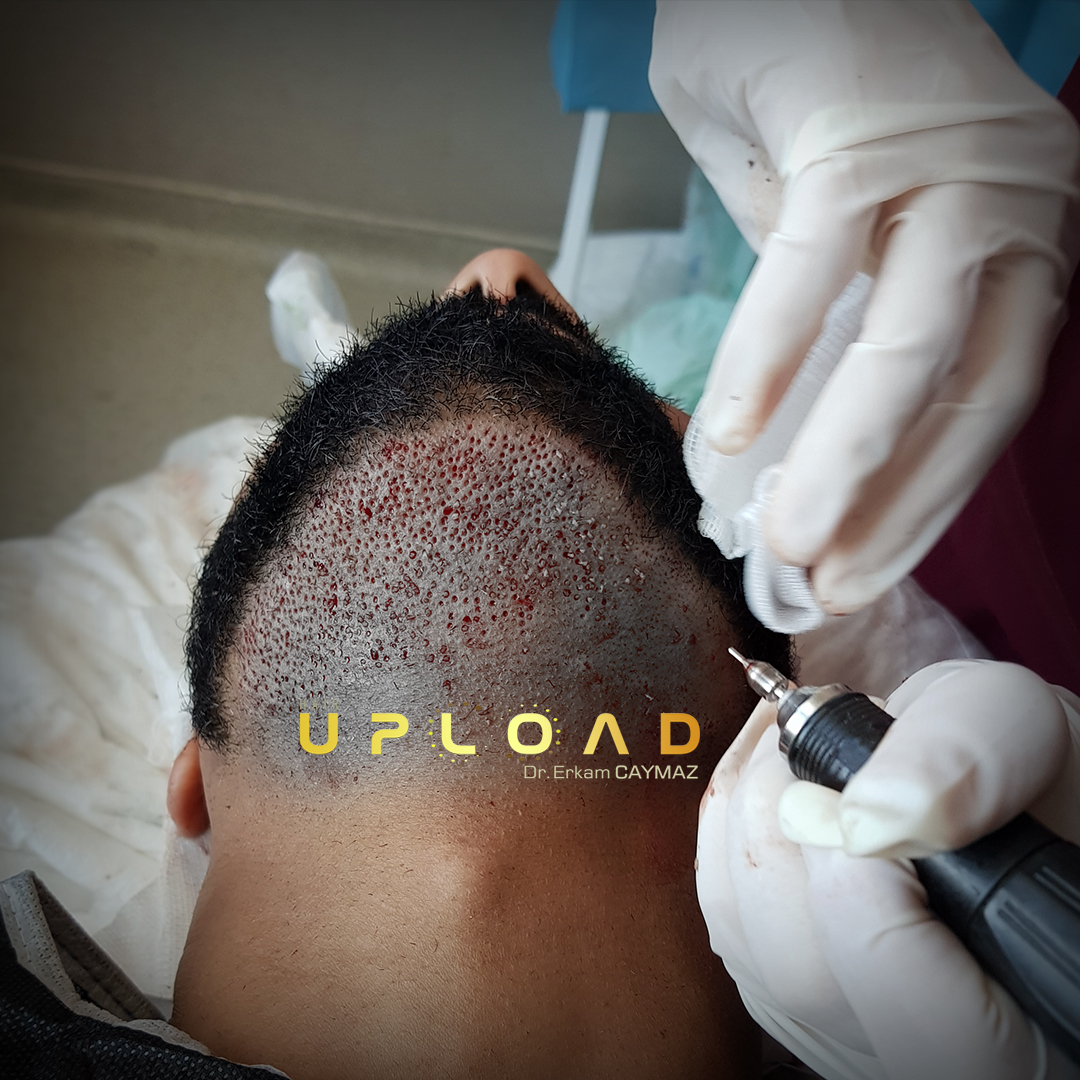
For concurrent facial hair and hair transplants, patients can anticipate a method that keeps going a few hours, depending on the number of unites required. The handle starts with the organization of neighborhood anesthesia to guarantee consolation. Once the giver hair is extricated, the specialist makes modest cuts within the beneficiary ranges of the whiskers and scalp where the unites will be put.
Join Situation and Creative Contemplations
The arrangement of unites in both the facial hair and scalp requires a tall degree of accuracy and aestheticness. The surgeon must consider variables such as hair course, point, and thickness to guarantee a natural-looking result. For the whiskers, uncommon attention is given to the shape and fashion craved by the patient, whether it may be a full facial hair, goatee, or mustache.
Recuperation and Aftercare
Post-operative care is significant for fruitful results in synchronous facial hair and hair transplantation. Patients are regularly prompted to take after particular rules to advance recuperating and anticipate complications. This incorporates keeping the transplanted regions clean, dodging strenuous exercises, and following a endorsed medicine regimen.
Timeline for Recuperation
The starting recuperation period keeps going approximately 7-10 days, amid which patients may involvement swelling, redness, and minor inconvenience within the treated ranges. Hair shedding in both the whiskers and scalp locales is expected inside the to begin with few weeks, taken after by the progressive development of modern hair. Full comes about can more often than not be seen inside 6-12 months, with the transplanted hair developing normally and mixing consistently with existing hair.
Potential Risks and Complications
Like every surgical method, synchronous whiskers and hair transplantation carries potential dangers and complications. These can incorporate contamination, scarring, or unnatural hair growth in the event that not performed by a qualified specialist. Be that as it may, with appropriate strategy and post-operative care, these dangers are altogether minimized.
Minimizing Dangers
Choosing an experienced and reputable clinic is basic to diminishing the hazard of complications. Patients ought to altogether inquire about their surgeon’s accreditations, read patient audits, and inquire to see before-and-after photos of past patients. Taking after all pre- and post-operative enlightening is also key to a effective result.
Facial hair Transplant as a Giver Source for Hair Transplant
In a few cases, whiskers hair can be used as a giver source for hair transplantation on the scalp. This approach is especially advantageous for patients with constrained scalp giver hair. Facial hair hair, being coarser, is perfect for adding thickness to regions of the scalp that require more scope.
Whiskers Joins for Hair Transplant: A Developing Drift
Utilizing whiskers unites for hair transplants has picked up notoriety due to the unmistakable characteristics of facial hair hair, which can provide additional texture and volume when transplanted to the scalp. This procedure requires cautious selection of joins and accuracy in situation to realize a natural look.
Choosing the Proper Clinic for Concurrent Transplantation
Selecting the proper clinic for simultaneous whiskers and hair transplantation is pivotal to accomplishing the leading comes about. Patients should search for clinics with a demonstrated track record, state-of-the-art facilities, and a group of talented experts who specialize in hair rebuilding.
Variables to Consider When Selecting a Clinic
When choosing a clinic, consider the surgeon’s encounter, the innovation utilized, the quality of understanding care, and the clinic’s notoriety. It’s too vital to have a careful discussion to talk about your objectives, desires, and any concerns you'll have.
Cost of Simultaneous Beard and Hair Transplantation

The cost of simultaneous beard and hair transplantation can vary widely depending on several factors, including the number of grafts required, the clinic’s location, and the surgeon’s expertise. Patients should expect to invest in a procedure that enhances both their appearance and their confidence.
Understanding the investment
While the initial cost may seem high, the long-term benefits of a full, natural-looking beard and head of hair can far outweigh the financial investment. In addition, many clinics offer financing options to make the procedure more accessible to a wider range of patients.
Conclusion
Simultaneous beard and hair transplantation is a highly effective procedure for those who wish to enhance their facial and scalp hair in one comprehensive session. With proper planning, execution, and follow-up, patients can achieve natural-looking results that restore their hair density and boost their confidence. By choosing a qualified clinic and following all post-operative guidelines, the risks are minimized and the benefits are maximized.
Dr. Caymaz Insight
| I budget beard and scalp grafts from one donor ledger. If the numbers only work by overharvesting the occipital zone, I split the plan into two sessions instead of one marathon day. |
Frequently Asked Questions (FAQs)
| Zone | Typical graft range | Planning note |
|---|---|---|
| Full beard frame | 1,500–3,000 | Flat angles, edge singles |
| Hairline + temples | 1,800–2,800 | Scalp singles at front |
| Beard-to-scalp adjunct | 500–1,200 | Mid-scalp, not hairline |
| Donor safety cap | Per mapping | No overharvest rule |
Can I get a hair and beard transplant at the same time?
Yes, it is possible to undergo both hair and beard transplantation in the same session. This approach is efficient and reduces the overall recovery time.
How many grafts can be extracted from the beard for hair transplant?
The number of grafts that can be extracted from the beard varies depending on the patient’s beard density. Generally, up to 1,000 grafts can be harvested. Afro type can be less around 200-800 grafts.
Is the procedure painful?
Local anesthesia is used to minimize discomfort during the procedure. Patients may experience minor pain or discomfort during the recovery phase.
How long does the procedure take?
The procedure can take anywhere from 6 to 8 hours, depending on the number of grafts and the complexity of the case.
What is the recovery time for simultaneous beard and hair transplantation?
Recovery typically takes about 7-10 days, with full results visible in 6-12 months.
Are there any risks associated with the procedure?
As with any surgical procedure, there are potential risks, including infection and scarring, but these are rare when performed by a qualified surgeon.
Can beard hair be used for scalp transplantation?
Yes, beard hair can be used as a donor source for scalp transplantation, especially in cases where scalp donor hair is limited.
How much does simultaneous beard and hair transplantation cost?
The cost varies based on several factors, but it generally ranges between $5,000 and $15,000.
What should I look for in a clinic for this procedure?
Look for a clinic with experienced surgeons, advanced technology, and positive patient reviews.
Will the results look natural?
When performed by a skilled surgeon, the results of simultaneous beard and hair transplantation can look very natural, with the transplanted hair blending seamlessly with existing hair.
Clinical planning improves when related topics are reviewed in sequence rather than as isolated marketing claims. Timing, candidacy, and aftercare rules should stay consistent across every article you read. If a concept feels unfamiliar, pause and compare it with your own photos and medication list before acting. Teams document these cross-checks during follow-up to avoid contradictory advice. The companion piece on beard transplantation uses the same milestone language described here.
Patients often ask how this subject connects to neighboring decisions in donor protection, recovery, or long-term medical therapy. Timing, candidacy, and aftercare rules should stay consistent across every article you read. If a concept feels unfamiliar, pause and compare it with your own photos and medication list before acting. Teams document these cross-checks during follow-up to avoid contradictory advice. The companion piece on beyond the scalp best results for beard eyebrow and body … uses the same milestone language described here.
The details below stand on their own, yet many consultation questions overlap with adjacent education topics on this site. Timing, candidacy, and aftercare rules should stay consistent across every article you read. If a concept feels unfamiliar, pause and compare it with your own photos and medication list before acting. Teams document these cross-checks during follow-up to avoid contradictory advice. The companion piece on what is body hair transplantation uses the same milestone language described here.
Clinical planning improves when related topics are reviewed in sequence rather than as isolated marketing claims. Timing, candidacy, and aftercare rules should stay consistent across every article you read. If a concept feels unfamiliar, pause and compare it with your own photos and medication list before acting. Teams document these cross-checks during follow-up to avoid contradictory advice. The companion piece on why the term maximum grafts in hair transplantation is mi… uses the same milestone language described here.
Sources & clinical references
FAQ
Yes, many patients combine scalp and beard restoration in one day when total graft need fits safe donor extraction limits and the team can maintain graft viability throughout a longer session.
Beard donor yield varies by density; many men allow roughly 800–1,500 beard grafts in selected cases, with lower yields common in coarse or sparse beards.
Expect roughly 6–10 hours depending on graft count, extraction difficulty, and whether body or beard donor adds a second harvest zone.
You heal once, but you must protect both donor and recipient zones, face and scalp, for washing, sleep position, and activity restrictions in the first two weeks.
Beard hair is usually too coarse for the leading hairline edge but can add mid-scalp or crown density when scalp donor is depleted.
Skip same-day combo plans if donor mapping shows insufficient reserve, if you need very high scalp counts, or if medical factors limit long anesthesia time.

What Happens During a FUE Hair Transplant Day?
A FUE hair transplant procedure typically spans 6 to 8 hours in a single day. The morning begins with blood work, scalp…
Read More: What Happens During a FUE Hair Transplant Day?
Why a 7000 Graft Hair Transplant Needs Two Sessions
A patient who needs roughly 7,000 grafts for full coverage is usually Norwood 7. That total cannot safely be done in…
Read More: Why a 7000 Graft Hair Transplant Needs Two Sessions
When Can You Get Botox or Fillers After Hair Transplant?
Patients should wait a minimum of 4 to 6 weeks before receiving Botox near the forehead and at least 3 to 4 weeks for…
Read More: When Can You Get Botox or Fillers After Hair Transplant?
Breast operations: all information about breast correction
Breast operations include augmentation with implants or fat, mastopexy lift, reduction for comfort or aesthetics, and…
Read More: Breast operations: all information about breast correctionBeard Transplant — Frequently Asked Questions
Expert Answers by Dr. Erkam Caymaz, Istanbul