


Quick Numbers
| Visual density with curl (examples) | ~2,000–3,000 grafts may look full in some cases |
|---|---|
| Micro FUE punch (clinic example) | ~0.9 mm case-selected |
| Sapphire incision (clinic example) | ~1.5 mm where planned |
| Growth rate note | Coily hair often grows slower; patience for maturation |
Key Takeaways
| Curved follicles under the skin raise transection risk without experienced extraction. |
| Ethnic hairline design must match Afro-textured identity, not a copied European template. |
| Curl adds visual volume; graft counts may differ from straight-hair calculators. |
| Sapphire FUE + DHI planning at an experienced Istanbul clinic supports natural angles. |
Hair transplant surgery moves healthy follicles to thinning zones, but technique is never one-size-fits-all. Afro-textured and coily hair has unique curl, slower growth in many patients, and strong visual density per graft. In Istanbul, international patients seek clinics that understand these differences rather than treating every scalp like straight Asian or European hair. This article explains what changes in planning, extraction, and hairline design for Afro-American and African-heritage patients at Dr. Caymaz clinic.
What Is Afro-Textured Hair in Transplant Planning?
Hair typing by ethnicity is a clinical shorthand, not a label. Afro-coily patterns (often Type IV–VI curl) show tight curvature on the surface and, critically, curvature under the scalp. A follicle that looks vertical at the skin exit may angle sharply below. That is why generic FUE tutorials fail: the punch must follow the true follicle vector, not the visible hair exit alone.
Total hair counts and growth speed vary individually. Coily hair may grow more slowly month to month, so maturation timelines extend compared with some straight-hair cases. Patience through the first twelve months is part of an honest consult.
How Does Afro Hair Transplant Differ From Straight Hair?
| Factor | Straight hair (typical) | Afro-coily hair (typical) |
|---|---|---|
| Follicle path | Often nearer to perpendicular | Frequently curved under epidermis |
| Transection risk | Lower with standard punches | Higher without magnification and skill |
| Visual density per graft | May need higher count for cover | Curl can look fuller at lower counts |
| Hairline design | Varies by ethnicity | Often straighter front, strong temples; see Afro hairline transplant |
Beard and scalp procedures require curl-aware extraction and placement angles.

Is a Special Punch Used for Curly Hair Extraction?
Punch diameter and depth are selected per patient. At Dr. Caymaz clinic, micro FUE motor extraction commonly uses around 0.9 mm punches when appropriate, paired with Sapphire FUE channel creation near 1.5 mm where the plan calls for it. The goal is intact follicular units, not speed records.
Because coily grafts occupy more visual space, 2,000–3,000 well-placed grafts can produce a fuller look than the same number in fine straight hair. That advantage disappears if angles are wrong; misplaced curl reads as frizz, not density. Zone planning still follows front-to-crown priorities (graft planning by zone).
Dr. Caymaz Insight
| Curly hair punishes guesswork. I open channels myself because a European hairline drawn on an Afro patient looks wrong in six months. Many of my patients want a low, straight frontal line with strong temples sitting just above the frontalis muscle, not a zigzag copied from a textbook photo. Extraction is slow, magnified, and angle-checked graft by graft. Speed without curl respect is how clinics burn donor and reputation together. |
How Is an Afro Hairline Designed?
Ethnic hairline design is identity work, not geometry homework. Afro-textured hairlines often favor a cleaner, straighter frontal edge with defined temple points rather than micro-zigzag lace patterns common in some Caucasian designs. Density transition still must look natural under bright light and short buzz cuts.
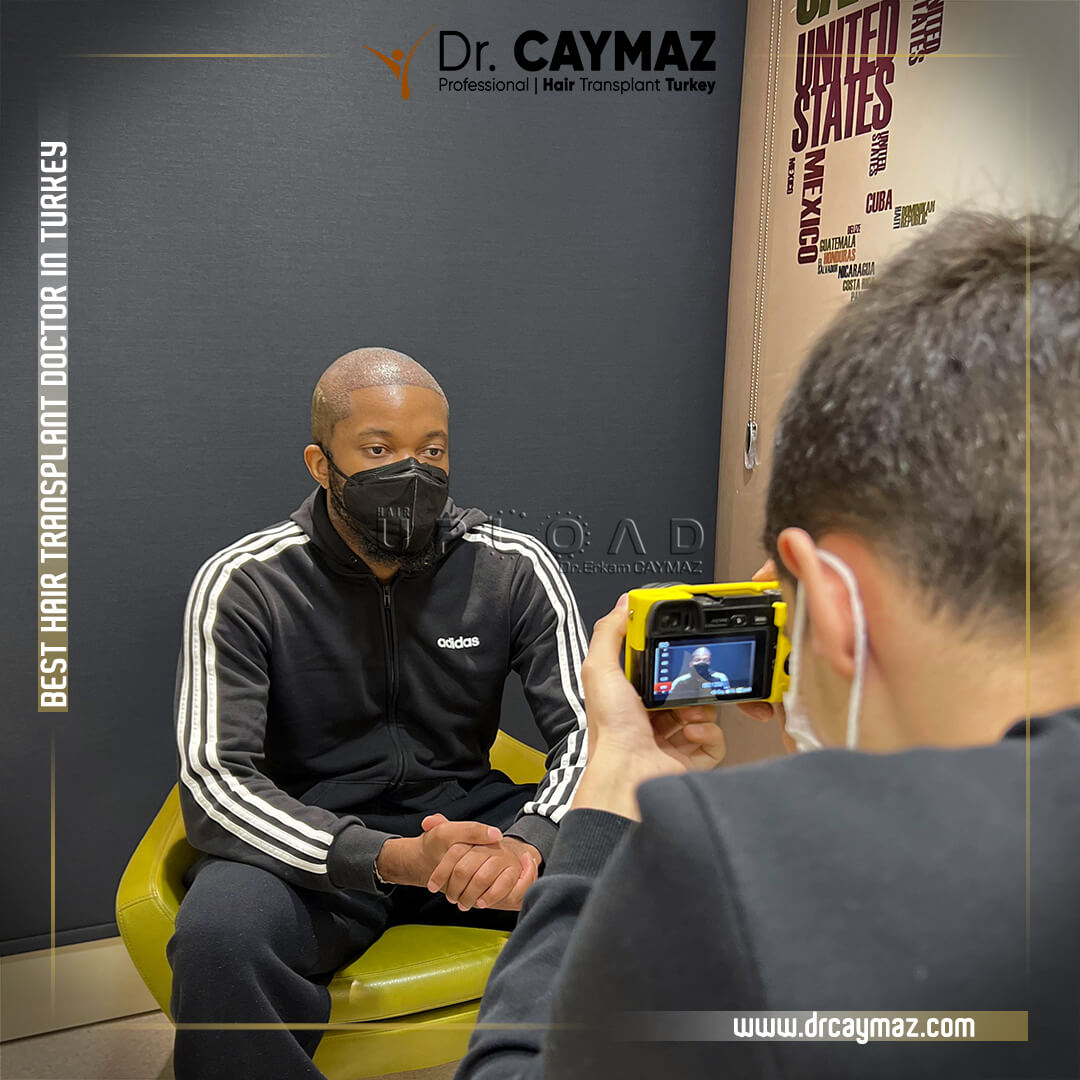
Hairline planning should respect Afro-textured proportions and patient preference.
Why Do Patients Choose Istanbul for Afro Hair Transplant?
Istanbul combines experienced surgical teams, medical travel infrastructure, and transparent case photography. Afro patients flying from Europe, North America, or Africa should verify curly-hair case studies, not only price per graft. Ask about transection rates, punch policy, and who opens channels.
Keloid Risk, Skin Type, and Medical Screening
Afro-heritage patients sometimes ask about keloid or hypertrophic scarring after FUE. True keloids are uncommon in standard punch extraction when donor healing is monitored, but skin type and past scar history must be reviewed. Controlled punch size, shallow transection, and avoiding over-harvesting reduce visible donor changes. Patients with diabetes, hypertension, or active scalp conditions need medical clearance before travel, the same screening logic used for other surgical candidates.
Pre-operative analysis maps curl direction, donor density, and planned coverage. Hairline proportion can reference facial balance concepts such as those in our golden ratio hairline article, adapted for Afro-textured framing rather than copied measurements.
Afro-American hairline designing: results mature over months as curl length returns.
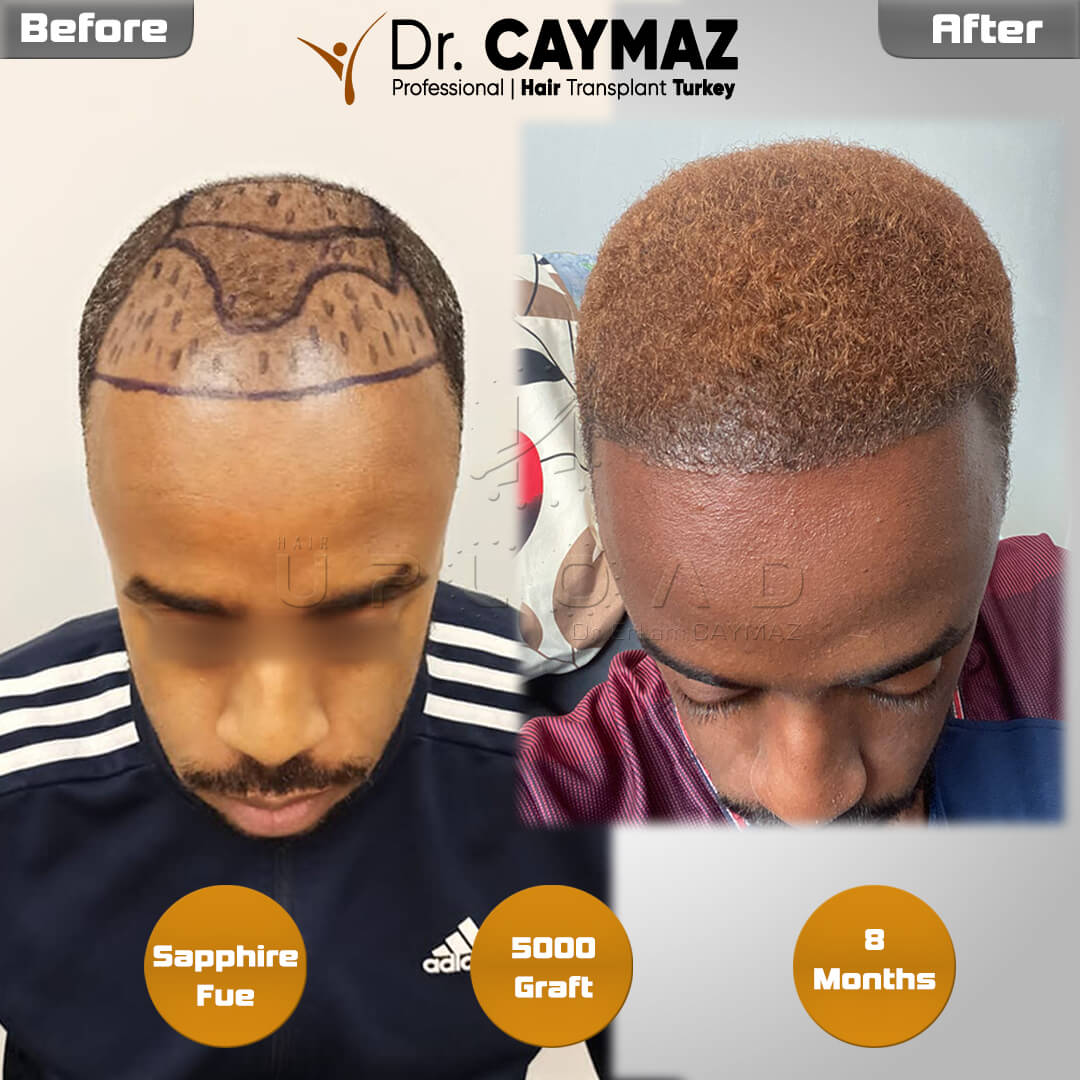
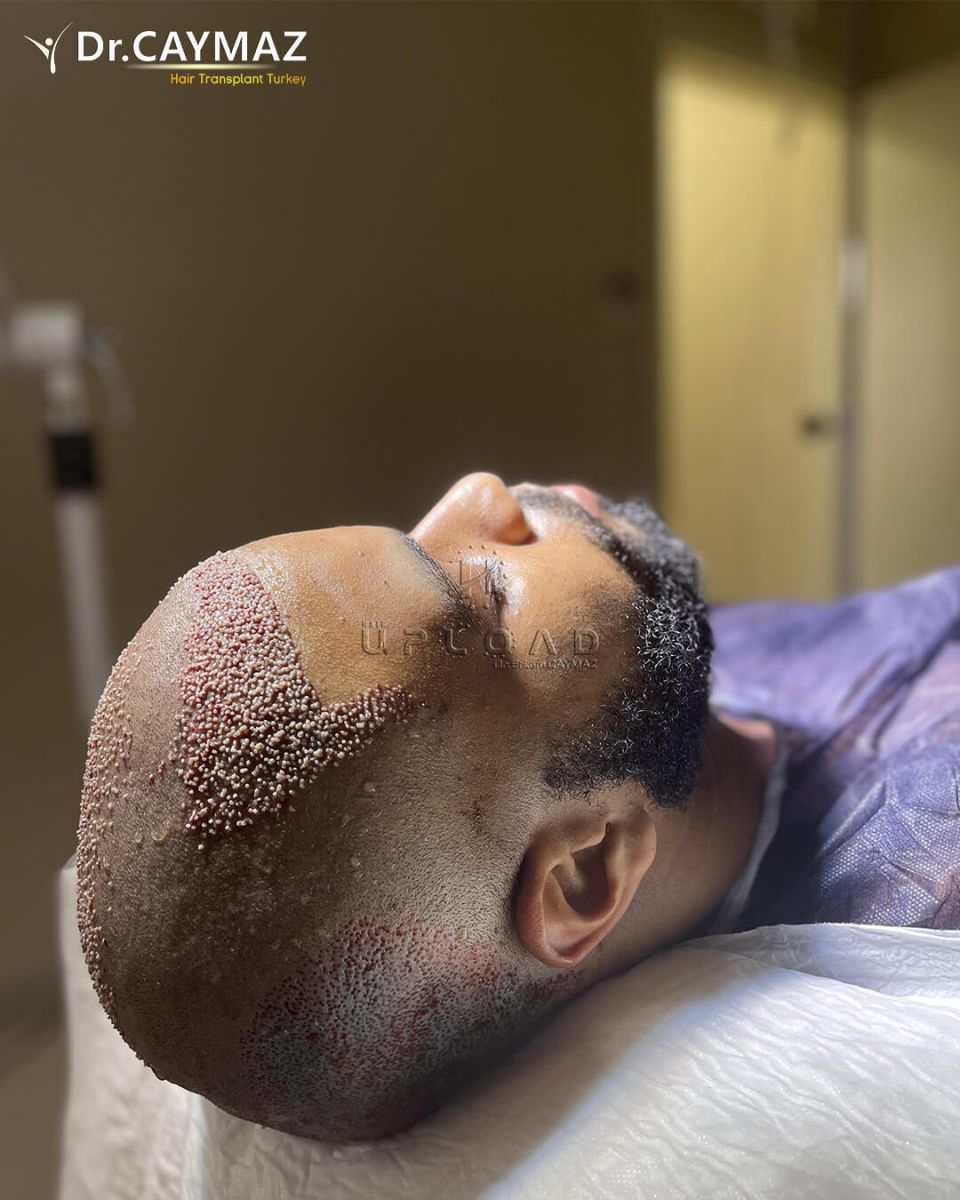
Video case reviews help set realistic expectations. Clinic channels include short-form walkthroughs of Afro hairline design and maturation timelines for international viewers planning Istanbul travel.
Afro hairline design (YouTube Short)
Afro-textured transplant case review
Hairline planning example
Afro-textured transplant in Istanbul succeeds when the team respects curl biology, designs an authentic hairline, and protects donor reserve. Technology matters: Sapphire blades, micro punches, and magnification. Experience with coily extraction remains the deciding factor.
Clinical planning improves when related topics are reviewed in sequence rather than as isolated marketing claims. Timing, candidacy, and aftercare rules should stay consistent across every article you read. If a concept feels unfamiliar, pause and compare it with your own photos and medication list before acting. Teams document these cross-checks during follow-up to avoid contradictory advice. The companion piece on balance between hair transplantation density without dama… uses the same milestone language described here.
Patients often ask how this subject connects to neighboring decisions in donor protection, recovery, or long-term medical therapy. Timing, candidacy, and aftercare rules should stay consistent across every article you read. If a concept feels unfamiliar, pause and compare it with your own photos and medication list before acting. Teams document these cross-checks during follow-up to avoid contradictory advice. The companion piece on am i a good candidate for hair transplantation uses the same milestone language described here.
The details below stand on their own, yet many consultation questions overlap with adjacent education topics on this site. Timing, candidacy, and aftercare rules should stay consistent across every article you read. If a concept feels unfamiliar, pause and compare it with your own photos and medication list before acting. Teams document these cross-checks during follow-up to avoid contradictory advice. The companion piece on best hair line design male female uses the same milestone language described here.
Clinical planning improves when related topics are reviewed in sequence rather than as isolated marketing claims. Timing, candidacy, and aftercare rules should stay consistent across every article you read. If a concept feels unfamiliar, pause and compare it with your own photos and medication list before acting. Teams document these cross-checks during follow-up to avoid contradictory advice. The companion piece on hair transplant consultation uses the same milestone language described here.
Density planning differs for curlier hair; our grafts-per-cm² guide explains why curl changes the safe target number.
Sources & clinical references
FAQ
The steps are the same (FUE or DHI), but curly and coily follicles curve beneath the scalp. Extraction angle, punch size, and implant direction require extra skill to avoid transection and ingrown growth.
Clinic choice varies with curl and skin thickness. At Dr. Caymaz clinic, micro FUE motor work often uses around 0.9 mm punches selected case by case, with sapphire blade incisions near 1.5 mm where appropriate.
Visual fullness can be achieved with lower graft counts than straight hair because curl adds volume. Exact numbers still depend on bald area size, hair caliber, and design goals.
Design should respect ethnic identity: often a straighter frontal line, defined temples, and placement at anatomically safe forehead height. Templates from other ethnic groups should not be copied.
Beard donor can supplement scalp FUE when planned carefully. Curl and scar visibility must be discussed during consultation.
Istanbul offers experienced FUE teams, competitive medical travel logistics, and clinics that publish Afro-textured case photography. Verify curly-hair experience, not only graft price.

What Happens If I Have Necrotic Areas or Scalp, Graft Infection After Hair Transplant Operation?
Necrosis and graft infection are uncommon but high-priority complications that need rapid clinical triage. Early…
Read More: What Happens If I Have Necrotic Areas or Scalp, Graft Infection After Hair Transplant Operation?
Artas Robot System For Hair Transplantation
Robotic hair transplant marketing often leads patients to ask about the ARTAS robot system. ARTAS is a US-developed…
Read More: Artas Robot System For Hair Transplantation
Nicotine Pouches After Hair Transplant: Safe Timing
Nicotine pouches deliver nicotine without smoke, but they still trigger vasoconstriction that can reduce scalp blood…
Read More: Nicotine Pouches After Hair Transplant: Safe Timing
The Gold Standard of Success for Hair Transplant Result
A natural hair transplant blends soft irregular hairlines, correct graft direction, single-hair leading edges, and…
Read More: The Gold Standard of Success for Hair Transplant ResultHair Transplant in Turkey — Frequently Asked Questions
Expert Answers by Dr. Erkam Caymaz, Istanbul