


关键数据
| 典型的FUE打孔疤痕 | 每个提取部位小于 1 毫米 |
|---|---|
| Norwood 6–7 长期移植需要(示例) | 总共 6,000–7,000 个,经常上演 |
| 捐赠者治愈视野 | 长达 6 个月的稳定外观 |
| 负责任的终生治疗(许多患者) | 1-2 周密计划的程序 |
要点
| 接收区域的密度 必须与捐助区的纪律相匹配。 |
| 过度采伐 导致颈背不规则变薄并限制第二次治疗。 |
| 均质萃取 (均匀间距)可长期保护供体外观。 |
| 晚期秃发通常需要 阶段性规划,没有一个最大移植日。 |
患者经常询问一次疗程可以接受多少移植物。更好的问题是捐赠者可以放弃多少移植物 无明显损坏。毛发移植是手术:接受者密度、拔除方式和未来储备必须一起规划。本文解释了诊所如何平衡种植密度与 供体面积密度、为什么同质 FUE 收集很重要,以及高级 Norwood 模式何时需要分阶段工作而不是一次积极的收获。
为什么供体平衡在毛发移植中很重要?
从颈背或胡须上移除的每一个移植物都是永久性的。提取的卵泡不会在供体部位重新生长。如果为了达到营销目标而急于拔牙,顶部可能会有所改善,而背部则成为新的美容问题。机构诊所在 毛发移植咨询 通过在手术当天之前绘制诺伍德分期、安全产量和区域优先顺序。
该规划直接关系到 移植物如何按区域分布。如果六个月后捐献者看起来已经被虫蛀了,那么强有力的正面结果就会失去可信度。
什么是过度采伐以及它是如何发生的?
过度采伐供体区 意味着整体上提取了太多的毛囊,或者在一个补丁中聚集了打孔。短发下的颈背可能看起来很薄、有斑点或不均匀。如果诊所试图在单次手术中收集不安全的份额,长期需要 6,000-7,000 个移植物的 Norwood 6-7 患者尤其容易受到伤害。
过度收获不仅仅与总数有关。具有相同移植物数量的两名患者可能具有截然不同的供体结果,具体取决于 间距、打孔尺寸和天然供体密度。这就是为什么经验和放大倍数在 FUE 和 DHI 工作流程中很重要。
| 因素 | 如果忽略 | 临床目标 |
|---|---|---|
| 提取间距 | 明显的斑块、簇状秃点 | 均质 跨越安全区收获 |
| 总移植上限 | 捐助者耗尽,第二次会议没有储备 | 将产量匹配到 诺伍德计划 和分期 |
| 受者密度目标 | 移植物成活率差,外观不自然 | 组织血液供应所能支持的密度 |
| 技术(FUE / DHI / 蓝宝石) | 较大的疤痕或横切废物 | 疤痕最小,毛囊单位完整 |
凯马兹博士洞察力
| 我用一个简单的规则来解释捐赠者平衡:当我们完成后,你的后脑勺必须仍然看起来像一头健康的头发。一天之内为一位边缘捐献者进行 6,000 次移植,患者最终获得了良好的前额和毁坏的颈背。甚至提取间距也不是一个细节;这就是原谅短发的捐赠者和不原谅短发的捐赠者之间的区别。当我在十天后查看照片时,我会查看两个区域,而不仅仅是发际线。 |
FUE 和 DHI 如何影响供体疤痕?
在毛囊单位提取 (FUE) 中,使用微型冲头去除单个移植物。疤痕很小,通常不到一毫米,当拔除均匀时,疤痕通常会消失到周围的毛发中。 DHI 专注于植入工具,但捐赠者纪律仍然适用:收集阶段为接下来的一切设定了上限。
记住: 提取的移植物永远不会在供体部位重新生长。移植头发的颜色、直径和卷曲反映了拍摄的情况。这就是为什么选择性、均匀的收获可以保护移植池的外观和质量。
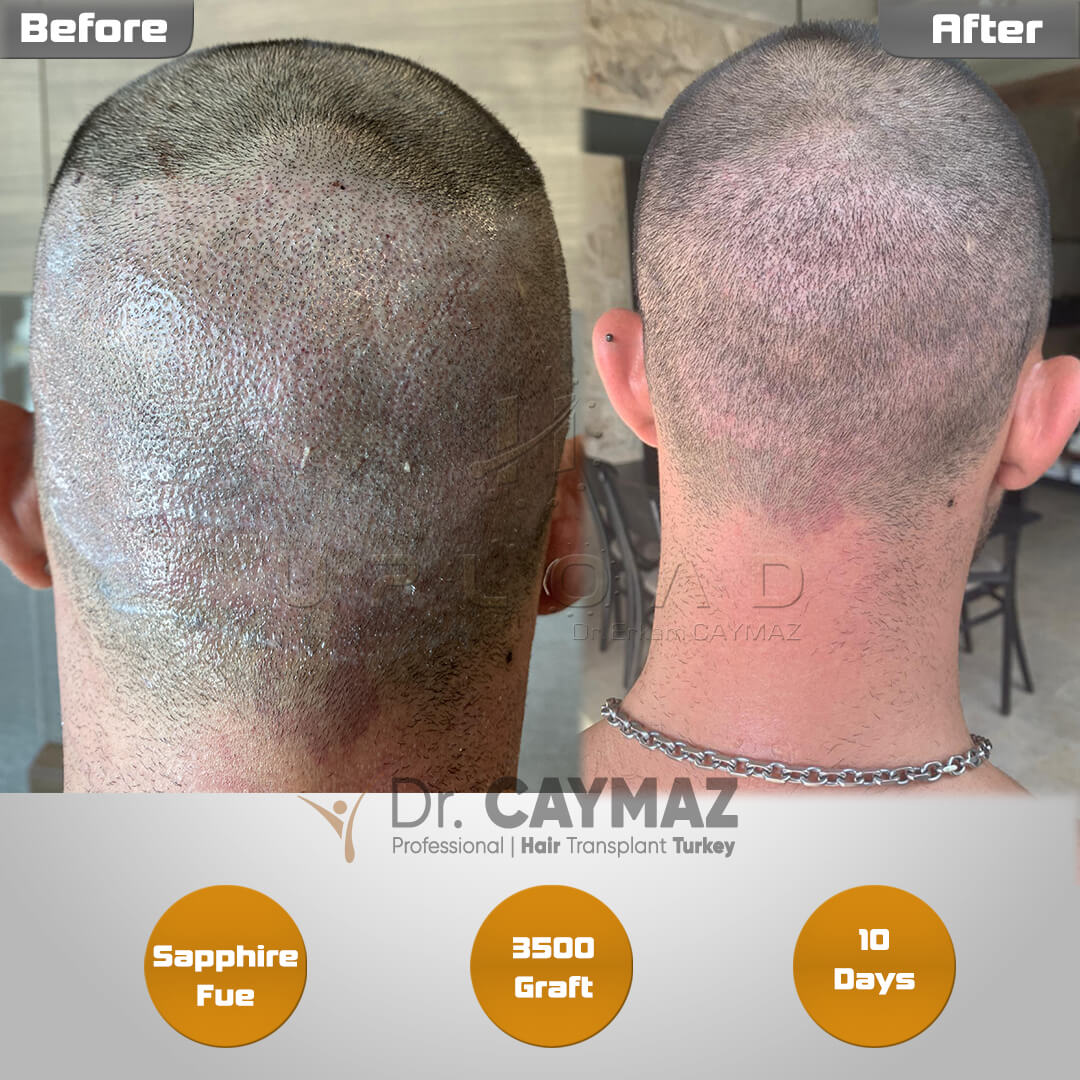
十天愈合示例:即使是拔牙,也能在受体区恢复的同时支持自然供体。
高级诺伍德模式应该如何规划?
当额叶和 头顶 区合并(诺伍德 6-7),嫁接需求急剧上升。负责任的规划可以将工作分摊到各个会议上,优先考虑可见框架,并留下捐助者的储备以供改进。试图一次性“完成所有事情”通常意味着各处覆盖范围薄弱或捐助者过度使用。
将手术分期与现实的设计目标结合起来。一个自然的 发际线比例 平衡的中头皮密度通常优于宽而稀疏的地图。可能不适合进行大型单次收获的患者应在候选资格审查期间讨论替代方案。
捐赠者康复期间您应该期待什么?
捐赠者的康复遵循诊所的善后指导。接收区域一开始就需要严格的禁止接触规则;供体清洗是按照规定的时间表进行的。移植的移植物完全成熟需要几个月的时间;供体发红和纹理在数周内恢复正常。如果您正在比较技术,请询问团队如何衡量 每平方厘米安全产量,不仅仅是最大公布的移植数量。
没有供体损伤的密度是可持续移植的定义。当提取均匀时,疤痕会很小,如果需要的话,会保留第二次疗程,结果看起来仍然像你,而不是像精疲力尽的背部上方经过矫正的顶部。
受者密度和供体产量如何协同作用?
每平方厘米种植过多的移植物会损害血液供应和存活,即使供体被完美收获也是如此。因此团队配对 接受者密度目标 具有实际的可行卵泡计数。如果您需要高视觉密度但有细发,则该计划可能需要比粗发患者更多的移植物,这会增加捐赠者的压力,除非使用分期。
讨论您是否是 毛发移植的良好候选人 在关注移植报价之前。候选资格审查应包括捐赠者的弹性、以前的手术情况,以及胡须或体毛是否可以补充头皮捐赠者而不会过度使用颈背。
什么时候第二次治疗是更安全的选择?
第二次手术并不是失败。当诺伍德阶段、捐赠者密度和所需覆盖范围无法在一次收获中保持一致时,这通常是道德途径。等待第一次头发成熟还可以揭示原生毛发的反应方式以及真正的间隙仍然存在的地方。匆忙召开大型会议以避免回访是过度收获的常见途径。
在您做出承诺之前,请您的外科医生出示供体图、预期的打孔间距以及最大安全产量 你的 头皮,不是匿名诊所的平均水平。这种对话既可以保护你在镜子中看到的效果,也可以保护你后面仍然有的头发。
来源和临床参考
常见问题
FUE 会留下微小的冲痕,通常每个小于 1 毫米。与线性 FUT 条状疤痕不同,通过均匀拔除和正常愈合,当头发以典型长度佩戴时,捐赠者可以看起来很自然。
在移植物安定期间的前 48 小时内,保持受体区不受影响。捐赠者护理遵循您的诊所清洗时间表;许多患者在第一次指导清洗后可以轻轻地处理供体。
在负责任的诊所,大多数患者一生中需要一到两次精心策划的治疗。第三种手术并不常见,只有在第一次手术保留供体密度的情况下才有可能。
过度采伐意味着从供体区采集过多的移植物或将提取物聚集在一块斑块中。它可能会留下明显的稀疏、斑驳的痕迹,并且为未来的工作预留的空间也更少。
均匀的间距可以保护捐献者的外观和血液供应。随机的重区域看起来被虫蛀了;平衡的采伐既支持自然背部,又支持受者计划足够的移植物。
头顶可以吸收大部分移植物,但视力增益有限,因此外科医生会权衡其需求与有限的供体储备。当供体有限时,分阶段的计划首先优先考虑发际线和头皮中部,然后在重新评估供应和冲击损失后重新审视头顶,这比在一次疗程中追求完全头顶覆盖更好地保护长期密度。

毛发移植并发症及其处理方法
本指南解释了实际的计划步骤、现实的时间表和后续检查点,以便患者可以与手术团队一起做出明智的决定。它的重点是在药物治疗适当的情况下保护捐赠者、恢复里程碑以及长期脱发稳定。患者应比较六个月和十二个月时的标准化照片,并讨论捐赠者储备、医疗稳定性和…
阅读更多: 毛发移植并发症及其处理方法
土耳其毛发移植的每次移植价格与套餐定价
土耳其的毛发移植费用遵循两种定价模式:按移植计费(每次移植 2-4 欧元)和固定 VIP 套餐(5,000-7,500…
阅读更多: 土耳其毛发移植的每次移植价格与套餐定价
米诺地尔与非那雄胺:剂量、副作用与效果
非那雄胺通过阻断 5-α 还原酶来降低 DHT;米诺地尔支持卵泡血流。两者都可以减缓男性模式的丧失,但需要持续使用。女性更常使用米诺地尔;口服非那雄胺通常仅限男性在专科护理下使用。当秃头区域持续存在时,将药物与诚实的手术计划结合起来。
阅读更多: 米诺地尔与非那雄胺:剂量、副作用与效果供体区 — 常见问题解答
Dr. Erkam Caymaz(伊斯坦布尔)的专家解答