


Medical treatment for hair loss
Minoxidil and Finasteride Mechanism are 2 medicals that are using for hair loss therapy. Let's examine these two drugs in detail.
What is Finasteride
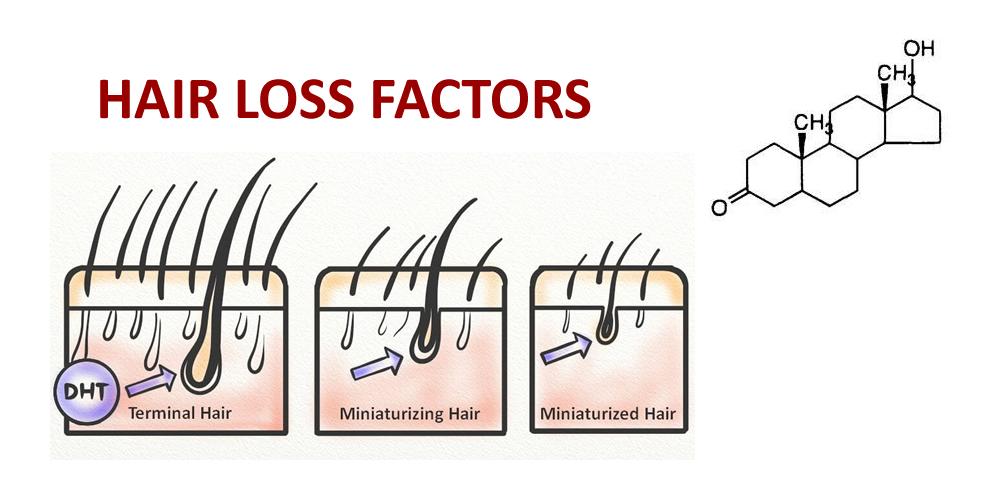
Finasteride is an antiandrogen. It is an inhibitor of the type 2 5-alpha reductase enzyme that converts testosterone to dihydrotestosterone (DHT). It is also used in the treatment of prostate disease, which is common in men. Finasteride is also used for the treatment of male pattern hair loss in many countries of the world. On December 22, 1997, the FDA approved the use of finasteride in the treatment of male pattern baldness. It is used only for men. In women, although it is written by some doctors due to the increase in testosterone in the postmenopausal period, it is not recommended for pregnant women.
How does Finasteride affect hair growth?
Finasteride, which is used for the regulation of the DHT hormone, does not have any effect on hair loss caused by different reasons. It also has no effect in cases of complete baldness because it has an effect on the rapid growth of hair and thickening of the hair strands, not on new hair growth.
It was determined that 48% of the subjects who had hair loss treatment with Finasteride had new hair growth, hair strands thickened, and hair loss stopped in 42%. However, this drug should be used continuously in order to maintain its effect. Otherwise, its effects will disappear within 6-12 months.
What are the side effects of Finasteride? Are the side effects permanent?
With decreasing testosterone in men, estrogen production may increase and gynecomastia may develop. This may cause more fat and enlargement of the breasts. There may also be an increased likelihood of breast cancer, which is very rare in men.
When DHT decreases, side effects such as impotence (impotence), decreased libido, decrease in sperm count, decrease in orgasm satisfaction, decrease in semen volume occur.
The drug is not recommended during puberty. During this period, there are side effects such as no beard mustache, no voice change, and cessation of neck growth.
Other side effects, on the other hand, include insomnia, increased anxiety, a slowdown in brain functions, and depression.
Some doctors state that only 2% of patients experience side effects.
Are the effects of Finasteride permanent?
When Finasteride is used continuously, its effect on the hair is seen. When the drug is discontinued, its effects disappear within 6-12 months. However, experts warn patients that possible side effects may not disappear after stopping the drug.
Thousands of lawsuits have been filed against pharmaceutical company for the side effects of the use of this drug worldwide. The lives of some users have been irreversibly adversely affected.
As a result, finasteride is a drug that has dangers that should be used very carefully.
What is Minoxidil?
Minoxidil is an FDA-approved serum that provides rapid growth and thickening of hair. It comes in different forms for men and women. It is recommended in the form of 2% for women and 5% for men.
What is the effect of Minoxidil on hair growth?
Minoxidil lengthens the anagen phase in the hair, that is, the growth phase of the hair, thus increasing the thickness and length of the hairs. It should be used regularly 1-2 times every day.
What are the side effects of Minoxidil? Are Side Effects Permanent?
Some patients using Minoxidil have also seen increased hair growth elsewhere in the body.
Another side effect is severe headaches seen in many patients.
Acne
Decrease in blood pressure.
Irregular or fast heartbeat
Tingling or loss of sensation in the hands, face, and feet
Sudden weight gain
Chest pain is another side effect that can be seen.
Are the Effects of Minoxidil Permanent?
Minoxidil is effective when used continuously. The effect begins to disappear 3 months after the drug is discontinued. In fact, some patients experience more hair loss than before.
When Finasteride and Minoxidil are used together, their effect on hair becomes stronger.
https://www.ncbi.nlm.nih.gov/pmc/?term=minoxidil+side+effects
常见问题
它抑制 II 型 5-α 还原酶,降低二氢睾酮 (DHT),从而使遗传敏感区域的卵泡缩小。
它是一种血管扩张剂,可以延长生长期,并使微型毛发变厚。确切的头皮机制尚未完全绘制出来,但临床结果已有详细记录。
非那雄胺不适用于怀孕或可能怀孕的女性。一些绝经后方案是在专科护理下制定的。米诺地尔是许多女性常用的一线药物。
许多患者在持续使用 3-6 个月后注意到变化。在改善之前使用米诺地尔可能会导致早期脱落。
有些患者继续保护原生毛发;有些患者则继续保护原生毛发。决定是个人的,需要对风险和收益进行医学审查。
不会。药物可以保护和增厚现有的卵泡;移植将毛囊移动到药物无法重建密度的秃头皮肤中。
另请参阅: 非那雄胺和米诺地尔的作用机制


美国的毛发移植费用:价格上涨的因素是什么?
在美国,毛发移植费用通常为 10,000 美元至 30,000 美元或更多,具体取决于移植数量、技术、外科医生参与、麻醉类型、设施费用和后续护理。了解每个美国市场的成本驱动因素有助于患者比较国内报价,并确定国外的 VIP…
阅读更多脱发 — 常见问题解答
Dr. Erkam Caymaz(伊斯坦布尔)的专家解答