


Medical treatment for hair loss
Minoxidil and Finasteride Mechanism are 2 medicals that are using for hair loss therapy. Let's examine these two drugs in detail.
What is Finasteride
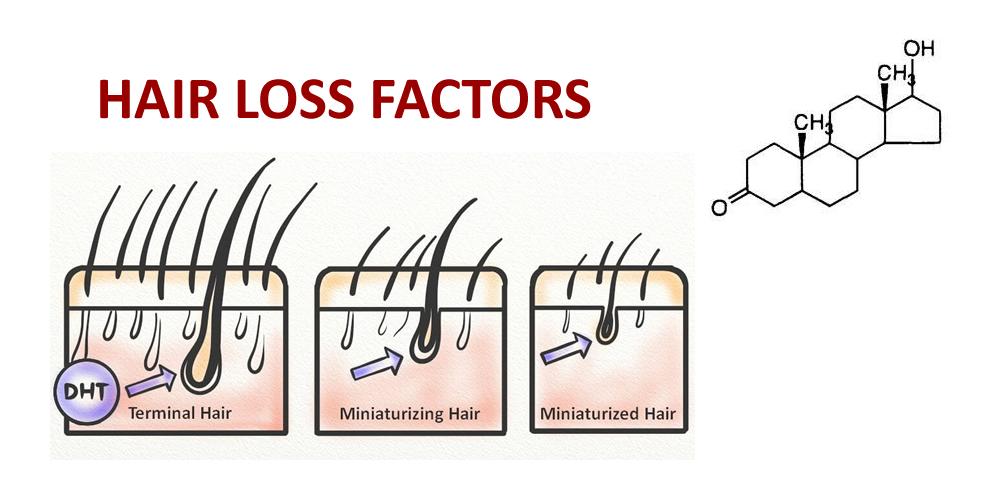
Finasteride is an antiandrogen. It is an inhibitor of the type 2 5-alpha reductase enzyme that converts testosterone to dihydrotestosterone (DHT). It is also used in the treatment of prostate disease, which is common in men. Finasteride is also used for the treatment of male pattern hair loss in many countries of the world. On December 22, 1997, the FDA approved the use of finasteride in the treatment of male pattern baldness. It is used only for men. In women, although it is written by some doctors due to the increase in testosterone in the postmenopausal period, it is not recommended for pregnant women.
How does Finasteride affect hair growth?
Finasteride, which is used for the regulation of the DHT hormone, does not have any effect on hair loss caused by different reasons. It also has no effect in cases of complete baldness because it has an effect on the rapid growth of hair and thickening of the hair strands, not on new hair growth.
It was determined that 48% of the subjects who had hair loss treatment with Finasteride had new hair growth, hair strands thickened, and hair loss stopped in 42%. However, this drug should be used continuously in order to maintain its effect. Otherwise, its effects will disappear within 6-12 months.
What are the side effects of Finasteride? Are the side effects permanent?
With decreasing testosterone in men, estrogen production may increase and gynecomastia may develop. This may cause more fat and enlargement of the breasts. There may also be an increased likelihood of breast cancer, which is very rare in men.
When DHT decreases, side effects such as impotence (impotence), decreased libido, decrease in sperm count, decrease in orgasm satisfaction, decrease in semen volume occur.
The drug is not recommended during puberty. During this period, there are side effects such as no beard mustache, no voice change, and cessation of neck growth.
Other side effects, on the other hand, include insomnia, increased anxiety, a slowdown in brain functions, and depression.
Some doctors state that only 2% of patients experience side effects.
Are the effects of Finasteride permanent?
When Finasteride is used continuously, its effect on the hair is seen. When the drug is discontinued, its effects disappear within 6-12 months. However, experts warn patients that possible side effects may not disappear after stopping the drug.
Thousands of lawsuits have been filed against pharmaceutical company for the side effects of the use of this drug worldwide. The lives of some users have been irreversibly adversely affected.
As a result, finasteride is a drug that has dangers that should be used very carefully.
What is Minoxidil?
Minoxidil is an FDA-approved serum that provides rapid growth and thickening of hair. It comes in different forms for men and women. It is recommended in the form of 2% for women and 5% for men.
What is the effect of Minoxidil on hair growth?
Minoxidil lengthens the anagen phase in the hair, that is, the growth phase of the hair, thus increasing the thickness and length of the hairs. It should be used regularly 1-2 times every day.
What are the side effects of Minoxidil? Are Side Effects Permanent?
Some patients using Minoxidil have also seen increased hair growth elsewhere in the body.
Another side effect is severe headaches seen in many patients.
Acne
Decrease in blood pressure.
Irregular or fast heartbeat
Tingling or loss of sensation in the hands, face, and feet
Sudden weight gain
Chest pain is another side effect that can be seen.
Are the Effects of Minoxidil Permanent?
Minoxidil is effective when used continuously. The effect begins to disappear 3 months after the drug is discontinued. In fact, some patients experience more hair loss than before.
When Finasteride and Minoxidil are used together, their effect on hair becomes stronger.
https://www.ncbi.nlm.nih.gov/pmc/?term=minoxidil+side+effects
Preguntas frecuentes
Inhibe la 5-alfa reductasa tipo II, lo que reduce la dihidrotestosterona (DHT) que miniaturiza los folículos en áreas genéticamente sensibles.
Es un vasodilatador que prolonga la fase de crecimiento y puede espesar los pelos miniaturizados. El mecanismo exacto del cuero cabelludo no está completamente mapeado, pero los resultados clínicos están bien documentados.
Finasteride no es para mujeres embarazadas o potencialmente embarazadas. Algunos protocolos posmenopáusicos existen bajo atención especializada; El minoxidil es la primera opción habitual para muchas mujeres.
Muchos pacientes notan cambios después de 3 a 6 meses de uso constante. La muda puede ocurrir temprano con minoxidil antes de mejorar.
Algunos pacientes continúan protegiendo el cabello nativo; La decisión es individual y requiere revisión médica de riesgos y beneficios.
No. Los medicamentos preservan y espesan los folículos existentes; El trasplante mueve los folículos hacia la piel calva donde los medicamentos no pueden recrear la densidad.
Ver también: Finasterida y minoxidil: mecanismo de acción

Cirugía de trasplante de cabello en verano
El trasplante de cabello se puede realizar en verano si se siguen las reglas de cuidados posteriores. La temporada en…
Leer Más: Cirugía de trasplante de cabello en verano
¿Cuántos injertos necesito para mi trasplante capilar?
First of all, it is useful to know that your photos have been evaluated and estimated by Doctor Erkam Caymaz. However…
Leer Más: ¿Cuántos injertos necesito para mi trasplante capilar?
Cirugía de liposucción
What is liposuction surgery? Liposuction is a surgical procedure in which excess fat is removed from the tissue by…
Leer Más: Cirugía de liposucción
¿Cómo corregir un trasplante capilar fallido?
An unsuccessful hair transplant can cause severe psychological distress, but correction is possible. Botched procedures…
Leer Más: ¿Cómo corregir un trasplante capilar fallido?Pérdida de cabello — Preguntas Frecuentes
Respuestas de expertos por el Dr. Erkam Caymaz, Estambul