


Various drugs that are thought to have a clinical effect can be mentioned when treating hair loss. After hair transplantation operations, patients are asking: Should I Use Finasteride After Hair Transplantation?
After the hair transplantation operations are performed, the results of the treatment are followed for a while under the control of the physician. When a clinical treatment is applied with medication, it is absolutely necessary to act according to the recommendation of the physician.
Finasteride is a drug preferred by women as well as male pattern hair loss. While such drugs should not be used during pregnancy, they are usually consumed in tablet form. In addition, its topical form is also available in the market.
Hair Loss
In addition to male pattern hair loss, inherited male pattern hair loss, shedding occurs in certain areas due to the effect of DHT. It is known that DHT inhibits hair growth and causes a slowdown in the hair cycle. With the effect of DHT, the hair follicles weaken and begin to get shorter and thinner. Hair Loss that occurs in the top regions, as well as the front areas in men, can be due to these reasons.
It is seen that individuals who have problems with hair loss prefer hair transplantation methods. The exact solution to problems such as baldness or thinning is one of the reasons why hair transplantation is preferred.
Thanks to the micro-surgical methods used in hair transplantation, it becomes possible to have permanent hair. While it is necessary to prefer personalized methods during such applications, the follow-up phase is important in the recovery processes at the same time.
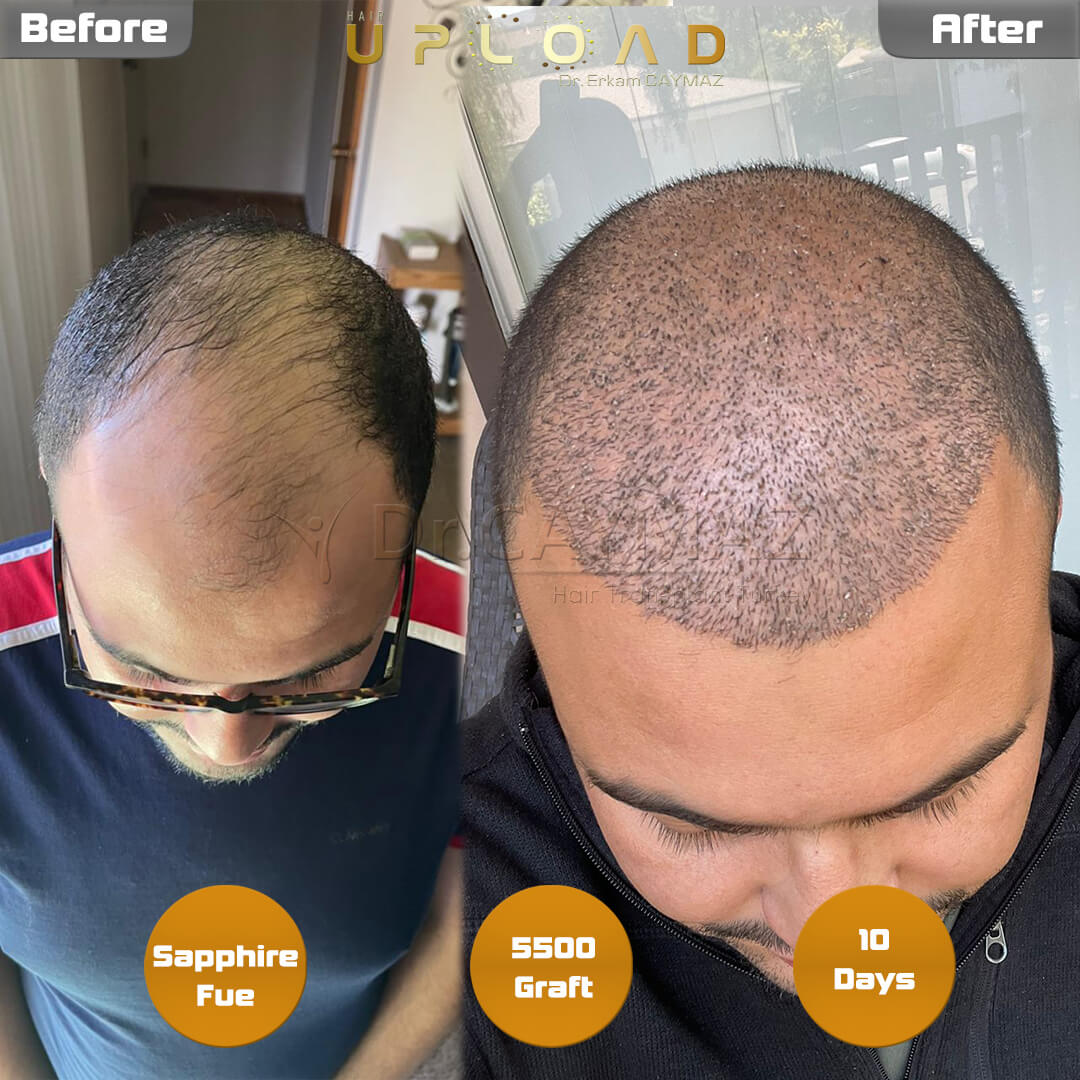
What is Hair Transplantation? How is it applied?
Hair loss, which can become an important problem in people's lives, is no longer a problem thanks to transplantation methods. For this reason, hair transplantation can be performed by surgical methods using advanced technologies. What is Hair Transplantation? How is it applied? It is a question that those who are faced with such a problem seek an answer to.
It is seen that the hair of the patient is used during hair transplantation. While these applications, which are performed in clinical settings, should be performed by specialist doctors, different methods can be used. The planting method to be used is determined by the needs of the patient as well as the physician.
While there are many causes of problems such as hair loss and baldness, genetic factors, disorders, side effects of drugs used, stress, and age-related causes are among the first to come to mind. While there is a control process for a while after hair transplantation, it may be necessary to use various drugs according to the doctor's recommendation at this stage. Finasteride is one such drug.
What is Finasteride? What Does It Do?
Finasteride, which is among the drugs that can be used after hair transplantation, is an antiandrogen. What is Finasteride? What Does It Do? Curiously, this drug inhibits the type2 5-alpha reductase enzyme, which is responsible for converting testosterone to DHT.
DHT is a steroid hormone. It is among the results obtained from studies that the hormone that has the most effect on hair loss is DHT. For these reasons, Finasteride, which causes a decrease in DHT, can be used after hair transplantation treatments.
What Are the Side Effects of Finasteride? How Long Should I Use Finasteride?
Finasteride was marketed as a drug that, when produced, prevents prostate enlargement. Since 1997, it has been approved by the FDA and declared to be suitable for use in the treatment of male pattern baldness. What Are the Side Effects of Finasteride? How Long Should I Use Finasteride? One of the answers to the question is that the duration of use should be determined according to the doctor's advice.
The results that may occur in each individual and the fact that the treatment process is different makes it necessary to be under the control of a doctor during drug use. Therefore, the general problems of the person are taken into account when using Finasteride.
While using such drugs, it is necessary to act according to the doctor's advice, but it is also observed that there are some side effects of the drug. Gynecomastia, which is called mammary gland enlargement, is encountered when it comes to side effects seen in a very low number of users. It is among the studies that such side effects terminated due to the discontinuation of the treatment.
It is not known whether this medicine passes into breast milk. While the side effects of this drug may include depression symptoms, its use is prohibited for professional athletes during sports organizations. The effects of Finasteride on sexual behavior are under investigation.
الأسئلة الشائعة
عموما لا. يتبع نمو الكسب غير المشروع الجدول الزمني البيولوجي الخاص به. يستهدف فيناسترايد البصيلات الأصلية التي لا تزال خاضعة لـ DHT، وليس السرعة التي تنمو بها الطعوم المزروعة.
يتوقف بعض المرضى إذا كان الشعر الأصلي مستقرًا وكانت مخاطر التقدم منخفضة. والبعض الآخر يستمر لسنوات. قد يسمح التوقف باستئناف التخفيف المرتبط بالـ DHT في المناطق الحساسة. ناقش التوقيت مع طبيبك.
لا يغير فيناسترايد خصائص المنطقة المانحة. وقد يؤثر ذلك على مقدار الشعر الأصلي المتبقي في المناطق غير المزروعة مع مرور الوقت.
يتطلب تساقط الشعر الأنثوي تشخيصًا فرديًا. فيناسترايد ليس روتينيًا لجميع النساء ويُمنع استخدامه أثناء الحمل. مناقشة التقييم الهرموني مع طبيب مؤهل.

الرعاية اللاحقة لزراعة الشعر: نصائح للتعافي الأمثل
تعمل الرعاية اللاحقة بعد عملية الزرع على حماية تثبيت الكسب غير المشروع وشفاء فروة الرأس والمظهر على المدى الطويل. يمكن…
اقرأ المزيد: الرعاية اللاحقة لزراعة الشعر: نصائح للتعافي الأمثل
زراعة الشعر للنساء: خط الشعر وجمال الوجه
Hair misfortune could be a common issue among ladies, influencing self-esteem and certainty. With propels in hair…
اقرأ المزيد: زراعة الشعر للنساء: خط الشعر وجمال الوجه
العلاج بالضوء الأحمر بعد زراعة الشعر: التوقيت والبروتوكولات
قد يدعم العلاج بالضوء الأحمر (LLLT) بأطوال موجية تبلغ 630-670 نانومتر شفاء فروة الرأس ويقلل الالتهاب بعد جراحة زراعة…
اقرأ المزيد: العلاج بالضوء الأحمر بعد زراعة الشعر: التوقيت والبروتوكولات
جراحة زراعة الشعر في الصيف
يمكن إجراء عملية زراعة الشعر في الصيف عند اتباع قواعد الرعاية اللاحقة. الموسم في حد ذاته ليس هو الخطر الرئيسي. إن…
اقرأ المزيد: جراحة زراعة الشعر في الصيفتساقط الشعر — الأسئلة الشائعة
إجابات الخبراء بقلم الدكتور إركام جايماز، إسطنبول