


أرقام أساسية
| سبب الحصى | في كثير من الأحيان أخطاء العمق/الزاوية |
|---|---|
| نافذة التهاب الجريبات | الأسابيع المشتركة 2-6 |
| توقيت المراجعة | تقييم في 12-18 شهرا |
| وقاية | عمق القناة + التباعد |
أهم النقاط
| ليس كل عثرة حصاة، التهاب الجريبات المبكر أمر شائع. |
| يعد التحكم في العمق والزاوية أكثر أهمية من عدد البصيلات. |
| قد يتحسن نسيج السطح مع استقرار التورم. |
| الإصلاح يحتاج إلى محاسبة المانحين، وليس يوم آخر لأقصى قدر من البصيلات. |
| لافتة | على الأرجح |
|---|---|
| بثور حمراء ومؤلمة - الأسبوع 3 | التهاب الجريبات |
| ملمس حصوي ثابت شهر 6+ | مسألة التنسيب/التضاريس |
| نشر الدفء + الحمى | عمل العدوى |
الدكتور كايماز انسايت
| عادة ما يكون الحصى مشكلة في تحديد المكان، وليس سوء الحظ. عندما أراه في استشارات الإصلاح، طاردت العملية الأولى الكثافة دون احترام سمك الجلد عند خط الشعر. |
فهم الحصوه في زراعة الشعر

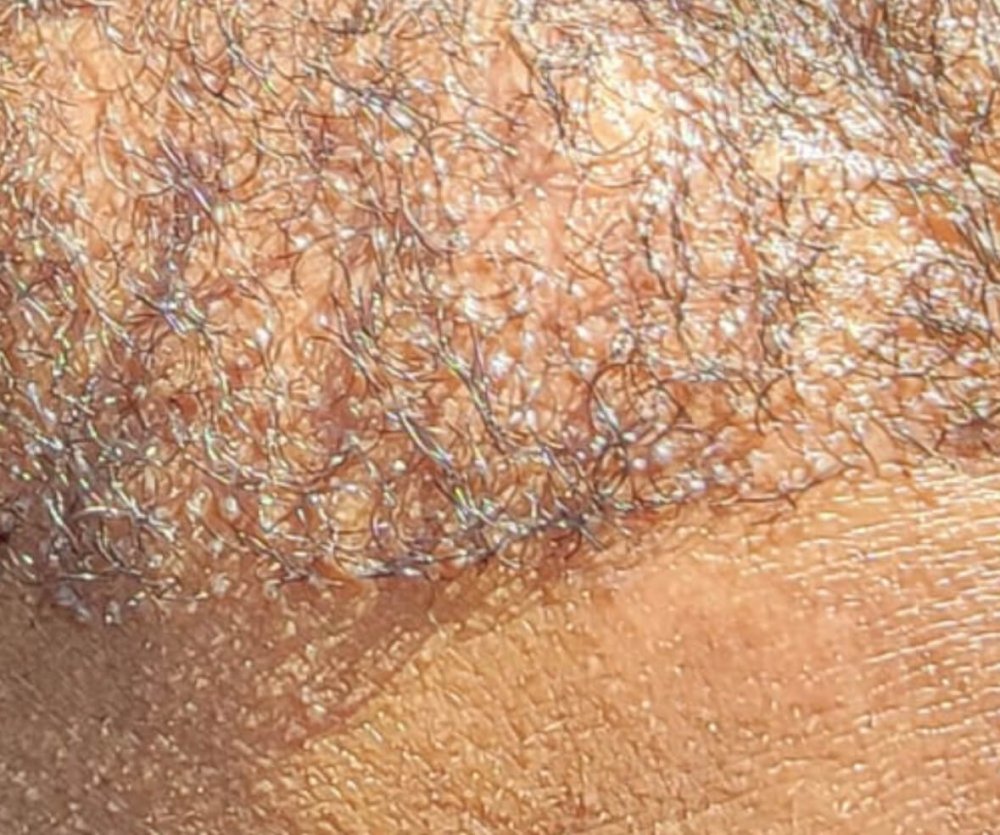
نريد أن نقول أنه من الآثار الجانبية النادرة حقًا (1/100.000 - 300.000). يشير مصطلح "الحصاة" في زراعة الشعر إلى المضاعفات التي يمكن أن تحدث بعد الجراحة. ويتميز بظهور نتوءات صغيرة مرتفعة في المنطقة المزروعة. هذا التعقيد يحدث هذا عادة بسبب سوء وضع الطعوم أو استخدام طعوم أكبر مما يمكن أن يستوعبه موقع المستلم بشكل مريح.
كيف يحدث الحصى في زراعة الشعر
يحدث الرصف عندما يتم زرع طعوم الشعر بشكل سطحي أو عميق في فروة الرأس أو عند استخدام طعوم أكبر من الموقع المتلقي. يمكن أن تؤدي هذه المخالفات إلى تكوين نتوءات صغيرة تشبه الحجارة المرصوفة بالحصى في المنطقة المتلقية.
أعراض الحصوة بعد زراعة الشعر
يظهر تكوين الحصى بعد عملية زراعة الشعر على شكل نتوءات بارزة ملحوظة في المنطقة التي تم زرع ترقيع الشعر فيها. يمكن أن تختلف النتوءات في الحجم ولكنها غالبًا ما تكون مرئية للعين المجردة ويمكن أن تؤثر على المظهر الجمالي الناعم لفروة الرأس.
الأسباب الكامنة وراء الحصى
السبب الرئيسي للحصوات هو الوضع غير المناسب لطعوم الشعر أثناء عملية زراعة الشعر. قد يكون ذلك بسبب نقص المهارة أو الخبرة من جانب الجراح الذي يجري العملية، أو استخدام الطعوم الكبيرة جدًا بالنسبة للمواقع المستقبلة.
كيفية التعرف على الحصى
يمكن أن يكون تحديد الحصى أمرًا بسيطًا نسبيًا. غالبًا ما تكون النتوءات المرتفعة مرئية في المنطقة المستقبلة، وقد تكون هذه النتوءات مؤلمة أو حساسة للمس. وفي بعض الحالات، يمكن أن تؤدي أيضًا إلى عدم الراحة عند تمشيط الشعر أو تنظيفه.
لماذا الحصى هو مصدر قلق
على الرغم من أن الحصى لا يشكل خطرا على الصحة، إلا أنه يمكن أن يكون مصدر قلق تجميلي. يمكن أن يؤثر على نعومة ومظهر فروة رأسك، مما يجعل عملية زراعة الشعر تبدو غير طبيعية. وبالتالي، فإن معالجة الحصى أمر مهم لضمان نتيجة زراعة شعر ناجحة وممتعة من الناحية الجمالية.
الوقاية من الحصى في زراعة الشعر
أفضل طريقة لمنع الحصى هي التأكد من أن عملية زراعة الشعر الخاصة بك تتم على يد جراح ماهر وذوي خبرة. يجب على الجراح استخدام أحجام الطعوم المناسبة ووضعها بشكل صحيح لتجنب تكوين نتوءات على فروة الرأس.
خيارات العلاج للحصى بعد زراعة الشعر
هناك العديد من خيارات العلاج المتاحة لأولئك الذين يعانون من الحصى بعد عملية زراعة الشعر. وتشمل هذه العلاجات الطبية مثل حقن الكورتيكوستيرويد، والتصحيح الجراحي، وبعض العلاجات بالليزر. يمكن لجراحك تقديم أفضل النصائح بشأن العلاج الأكثر فعالية بالنسبة لك.
دور الرعاية المتابعة في إدارة الحصى
يمكن أن تساعد رعاية المتابعة المناسبة بعد جراحة زراعة الشعر أيضًا في إدارة وتقليل حدوث الحصى. يتضمن ذلك حضور جميع مواعيد ما بعد العملية، واتباع نصيحة الجراح، ومعالجة أي مخاوف بمجرد ظهورها.
كيفية إصلاح الحصى بعد زراعة الشعر
يتضمن علاج الحصى معالجة النتوءات المرتفعة على فروة الرأس. يمكن تحقيق ذلك من خلال حقن الكورتيكوستيرويد أو العلاج بالليزر أو حتى المراجعة الجراحية في الحالات الشديدة.
إن الرصف بعد عملية زراعة الشعر، على الرغم من أنه لا يشكل خطراً على الصحة، إلا أنه يمكن أن يؤثر على النتيجة الجمالية للعملية. من المهم أن نفهم كيف يحدث الحصى، وكيفية الوقاية منه، وما هي خيارات العلاج المتاحة.
إذا كان لديك مثل هذا التأثير الجانبي، فلا تقلق. يتم الشفاء تلقائيًا بنسبة 50%، لكن استخدام الستيرويدات الموضعية (كريم بيتاميثازون للتدليك) سيسرع من عملية الشفاء. (باستخدام مزيج من شامبو Nizarol، وشامبو وبلسم شجرة الشاي، وزيت MCT، وحمض الساليسيليك BHA، وزيت الأرجون؛ والعودة إلى الوضع الطبيعي بعد 48 ساعة وما إلى ذلك من Reddit - إنها تجربة المستخدم. لا توجد قاعدة تفيد بأن هذا العلاج يعمل بنسبة 100% من الوقت على هذه المضاعفات. ) كما أنه سيبقى دون أن يلاحظه أحد تحت شعرك الذي ينمو. ومع ذلك، عندما تتم عملية زراعة شعر جديدة مع مراجعة، فلن يتم فقدانها وفهمها بينهما. قد تضطر إلى الانتظار حتى ينمو الشعر المزروع هنا. بالإضافة إلى ذلك، قد يكون من الجيد معالجة 5-10 دقائق يوميًا باستخدام الديرمارولر. ونحن نولي أقصى قدر من الاهتمام لمنع هذا التعقيد في عملياتنا. مثل المحتوى الآخر على موقعنا، تمت كتابة هذه المقالة لأغراض إعلامية، يرجى استشارة طبيبك الخاص. (لا يمكننا أن نتحمل المسؤولية عن أي شيء).
غالبًا ما تعكس الحطاطات الصغيرة بعد عملية الزرع أعمدة الشعر المحاصرة أو التهاب الجريبات أو إعادة النمو تحت الجلد بدلاً من فشل البصيلات. يتم حل معظمها بعد الغسل والوقت المعتمدين، لكن الكتل المستمرة تتطلب مراجعة العيادة لاستبعاد العدوى. يمكن أن يؤدي التقاط المطبات إلى ندب سطح الجلد. يتم سرد الجداول الزمنية النموذجية والأعلام الحمراء تحت المطبات بعد زراعة الشعر.
تحتاج العلامات الحمراء مثل النخر المتوسع أو التصريف القيحي أو الحمى الجهازية إلى اتصال عاجل بالعيادة بدلاً من نصيحة المنتدى. يمكن التحكم في معظم مشكلات ما بعد العملية عند اكتشافها مبكرًا وتوثيقها بالصور. إن معرفة الأعراض التي يمكن أن تنتظر حتى ساعات العمل يقلل من الذعر غير الضروري. مركزنا على مضاعفات زراعة الشعر ويحدد خطوات التصعيد.
يتم بناء خط الشعر الطبيعي من وضع شعرة واحدة غير منتظم، والركود الزمني، والكثافة المناسبة للعمر، وليس جدارًا مستقيمًا من المقابس. يجب أن تتوافق نقاط الصدغ والحدبات الجانبية مع الأنماط العائلية لما قبل الخسارة عندما يكون ذلك ممكنًا. يعد التصميم المتسرع لإنهاء الجلسات الطويلة مصدرًا شائعًا للندم. يتم تلخيص قواعد التصميم الأساسية في تصميم شعري.
المصادر والمراجع السريرية
الأسئلة الشائعة
يمكن أن يؤدي عمق التطعيم غير المتساوي، أو الوضع المجمع، أو مواقع الثقب الكبيرة، أو الأنسجة الندبية تحت الجلد إلى ظهور مظهر مرصوف بالحصى. يعد التخطيط السيئ للزاوية عند خط الشعر مساهمًا شائعًا.
يلين بعض الملمس مع زوال التورم على مدى أشهر. قد تستمر الحصى الهيكلية الناتجة عن أخطاء العمق وتحتاج إلى تخطيط للمراجعة بعد اثني عشر إلى ثمانية عشر شهرًا.
يظهر التهاب الجريبات على شكل نتوءات حمراء مؤلمة غالبًا في الأسابيع الأولى وقد يستجيب للرعاية اللاحقة والمضادات الحيوية. يتعلق الملمس المرصوف بالحصى بالتضاريس السطحية أكثر من العدوى النشطة.
تشمل الخيارات انتظار النضج، أو التنعيم باستخدام فردات على السطح، أو الجمع بين العلاج الطبي للتصغير الأصلي. تحتاج الحالات الشديدة إلى أهداف واقعية تعتمد على احتياطي المانحين.
اختر العيادات التي تركز على التحكم في عمق القناة، والتباعد الطبيعي، والتصميم الذي يقوده الجراح بدلاً من السرعة القصوى للبصيلات.
يتم تناول توقيت الإصابة، وفقدان الصدمة، ومتى يجب الاتصال بالعيادة في مقالتنا الخاصة بمضاعفات زراعة الشعر.

العلاج بالضوء الأحمر بعد زراعة الشعر: التوقيت والبروتوكولات
قد يدعم العلاج بالضوء الأحمر (LLLT) بأطوال موجية تبلغ 630-670 نانومتر شفاء فروة الرأس ويقلل الالتهاب بعد جراحة زراعة…
اقرأ المزيد: العلاج بالضوء الأحمر بعد زراعة الشعر: التوقيت والبروتوكولات
الجوانب النفسية قبل زراعة الشعر وبعدها
زراعة الشعر لها جدول زمني نفسي بالإضافة إلى جدول زمني جراحي. غالبًا ما يرتفع القلق أثناء التساقط المرئي المبكر في…
اقرأ المزيد: الجوانب النفسية قبل زراعة الشعر وبعدها
النسبة الذهبية في تصميم خط الشعر أثناء الزراعة
يمكن للنسبة الذهبية أن توجه نسب خط الشعر والصدغ أثناء التخطيط لعملية الزراعة، ولكنها أداة وليست صيغة جامدة. يمزج…
اقرأ المزيد: النسبة الذهبية في تصميم خط الشعر أثناء الزراعة
نسبة نجاح زراعة الشعر مع الأمراض الجلدية مثل الإكزيما والصدفية
تزيد أكزيما فروة الرأس النشطة أو الصدفية أو التهاب الجلد الدهني من فشل عملية الزرع وخطر العدوى. تكون الجراحة أكثر…
اقرأ المزيد: نسبة نجاح زراعة الشعر مع الأمراض الجلدية مثل الإكزيما والصدفيةالأسئلة الشائعة
رؤى احترافية في زراعة الشعر من الدكتور إركام جايماز