


The element that should be considered as an indispensable part of hair transplantation is temple hair transplantation. Most surgeons do not care about hair transplantation applied today, but if necessary, temporal hair transplantation should be performed in all hair transplantations. Temple hair transplantation is an often overlooked yet essential component of hair restoration. While many surgeons focus solely on the frontal hairline, temple hair transplantation plays a vital role in achieving a natural and aesthetically pleasing result.
What the Surgeon Should Pay Attention to in Temporal Transplantation
When attention is paid, it is seen that the temple hairs grow downwards. While opening the temporal hair channels, Doctor Erkam Caymaz opens the incisions (for VIP) according to the directions in which the hair should grow. And the transplanted hair grows in the direction of the opening of the canal. The thing to remember is that the incisions should be made at angles similar to the angles of your previous hair.
Why Is Temple Planting Important?
The temples are an important area where hair transplantation should be done in order to make our lost hair look natural again. Since it provides integrity, it forms a part of naturalness.
What Should We Pay Attention To After A Temple Hair Transplant?
We strongly recommend that you do not use headbands, hats, etc., as they directly touch your temples.
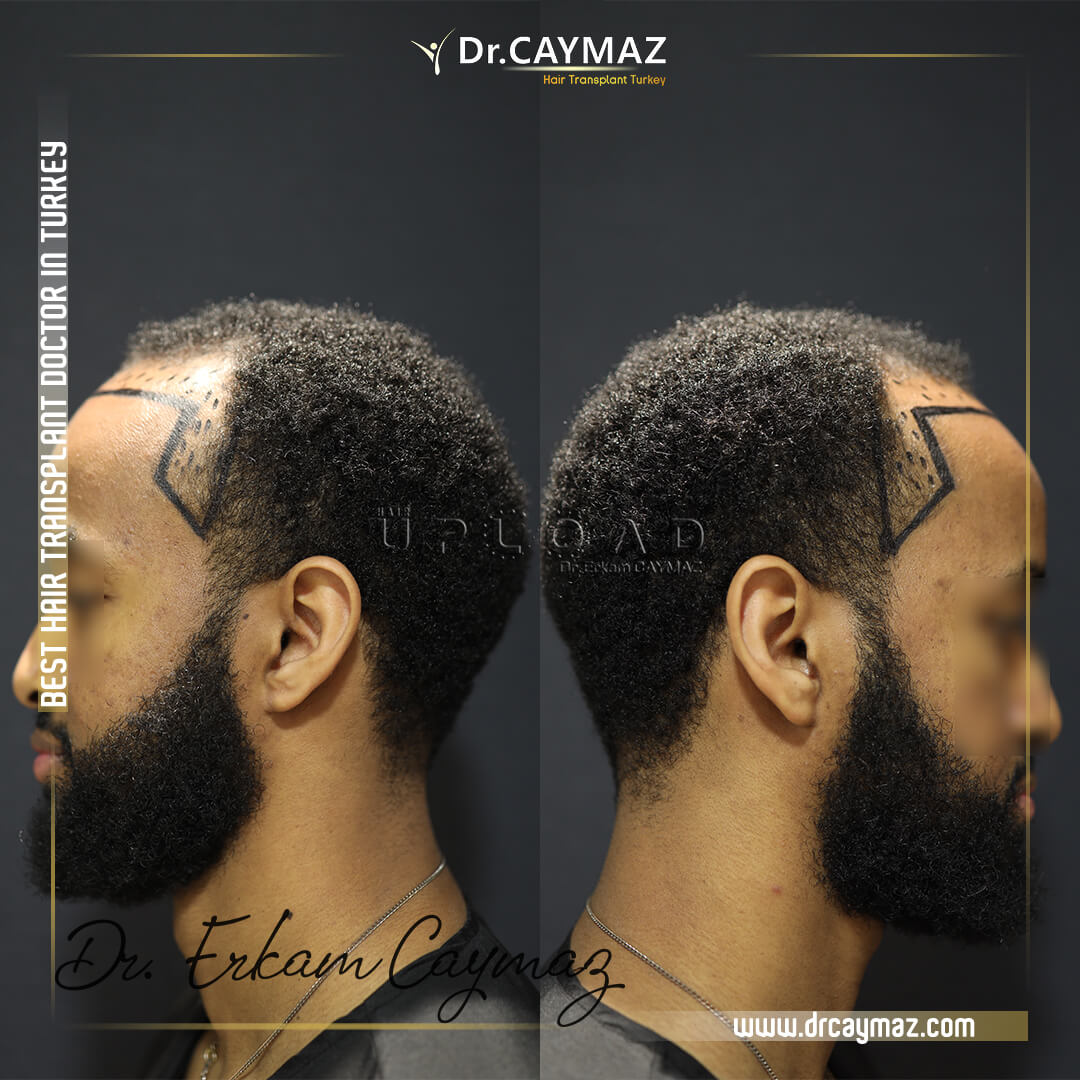
Who Wants a Temple Hair Transplant?
In particular, African American patients want temple hair transplantation. Temporal transplantation is performed to create a smaller forehead and a rectangular or box-shaped hairline. Non-Afro patients, on the other hand, generally want a smooth transitional temple hair transplant with a frontal hairline that does not have sharp lines.
I Need A Lot Of Grafts. Should I Have a Temple Hair Transplant?
Despite the importance of temple transplantation, at least 500–700 grafts can be planted.This is an insignificant number. If the number of grafts you need is too much, we would like your grafts to be planted in the frontal region first before having temple transplantation. Planning is very important in hair transplantation. Doctor Erkam Caymaz evaluates according to the number of grafts extracted and rearranges the density of the incisions accordingly. In such a case, we have to evaluate the temple transplant in the second place. Because the main thing should be to reduce the bald area. We can compare this to evaluating the crown region in the second place.
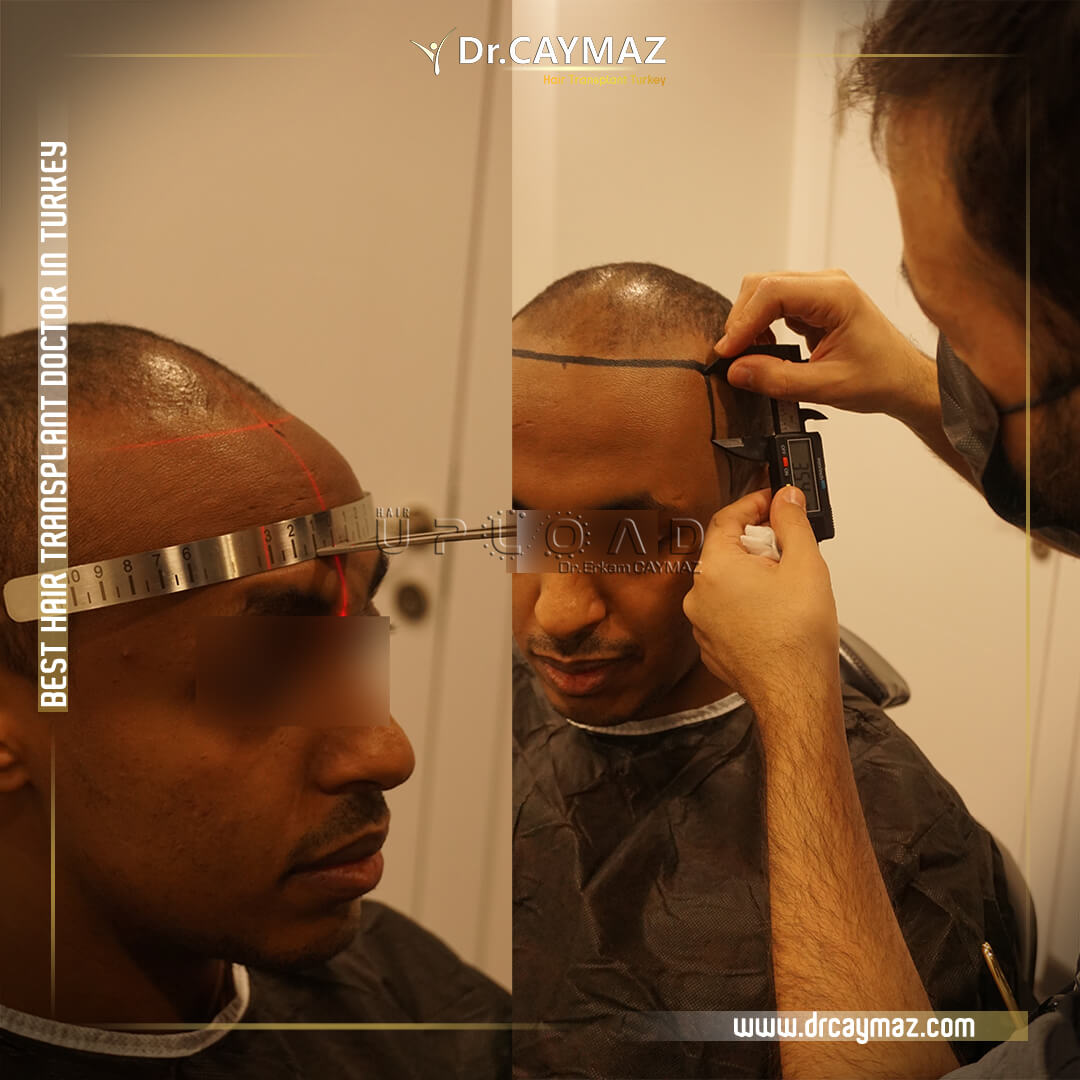
Density in Temple Planting
A very dense hair transplant should not be applied to the temples in order for them to look natural.
As a result, temple transplantation or temple correction operations should be considered when necessary in hair transplantation.
Another thing that should not be forgotten is that when your hair starts to fall out and grow back, whichever side you try to massage or shape, there will be accelerations in that direction. After the temple transplant, we would like you to perform downward massages on your temples starting from the 1st month.
Conclusion
تعد زراعة شعر الصدغ عنصرًا أساسيًا في خطة استعادة الشعر الشاملة. من خلال النظر بعناية في الخصائص الفريدة لنمو شعر الصدغ واتباع الرعاية المناسبة بعد العملية الجراحية، يمكن للأفراد تحقيق خط شعر طبيعي وممتع من الناحية الجمالية يستعيد ثقتهم ويعزز مظهرهم العام.
الأسئلة الشائعة
زوايا الصدغ والتدفق لا ترحم، لذا فإن أخطاء الاتجاه تكون أكثر وضوحًا مما هي عليه في المناطق الأمامية الأوسع.
تُستخدم الوحدات ذات الشعر الواحد بشكل شائع للحفاظ على الحافة الزمنية ناعمة وطبيعية.
نعم في حالات مختارة، ولكن حدود الجهات المانحة وأولويات التصميم يجب أن تظل متوازنة.
نعم. يمكن أن تؤدي التقلبات التي تتراوح من 2 إلى 8 أسابيع إلى تغيير الكثافة البصرية مؤقتًا.
تقوم العديد من الفرق بإعادة تقييم اتجاهات المانحين والنمو في الشهر العاشر إلى الثاني عشر تقريبًا.

Good Hair Transplant Candidates
Good Hair Transplant Candidates and What Must Be True Featured Snippet A good hair transplant candidate must have a…
اقرأ المزيد: Good Hair Transplant Candidates
فيناسترايد ومينوكسيديل: آلية العمل
Minoxidil and Finasteride Mechanism are 2 medicals that are using for hair loss therapy. Let's examine these two drugs…
اقرأ المزيد: فيناسترايد ومينوكسيديل: آلية العمل
زراعة شعر العانة للنساء
It is a very common pubic hair transplantation in Korea.
اقرأ المزيد: زراعة شعر العانة للنساء
هل تفكر في زراعة الشعر في تركيا؟ جرب هذه الطرق المثبتة لنمو الشعر أولاً
يشرح هذا الدليل خطوات التخطيط العملية والجداول الزمنية الواقعية ونقاط التفتيش للمتابعة حتى يتمكن المرضى من اتخاذ قرارات…
اقرأ المزيد: هل تفكر في زراعة الشعر في تركيا؟ جرب هذه الطرق المثبتة لنمو الشعر أولاًتصميم خط الشعر — الأسئلة الشائعة
إجابات الخبراء بقلم الدكتور إركام جايماز، إسطنبول